Supplier Application Form Template
Evaluate new suppliers thoroughly, without burying them in paperwork that discourages the best ones from applying.



Your supply chain is only as strong as your supplier vetting process. But vetting has a cost: if the application process is too cumbersome, high-quality suppliers with plenty of other customers won't bother completing it. If it's too simple, you don't collect enough information to make an informed decision. The sweet spot is a process that's thorough but respectful of the applicant's time.
This supplier application form template hits that balance. Prospective suppliers provide their business credentials, product or service capabilities, quality certifications, financial references, and compliance documentation through a guided flow. Conditional logic keeps the experience focused — a technology vendor sees different questions than a raw materials supplier. File uploads accept certificates, financial statements, and product catalogs without requiring separate email submissions.
Applications route to your procurement team via integrations, automatically populating a Google Sheet, Airtable base, or vendor management system through Zapier. Every application arrives in a standardized format, making apples-to-apples comparison possible. Your team evaluates faster, decides with better data, and onboards approved suppliers with everything already documented.
A supplier application form is a comprehensive questionnaire that prospective suppliers complete to be evaluated for an organization's approved supplier program. It goes beyond basic registration by assessing capabilities, quality standards, compliance history, financial stability, and alignment with the buyer's requirements. It's the primary document used in supplier qualification decisions.
The application itself is a filter. Suppliers who take the time to provide detailed, thoughtful responses demonstrate professionalism and genuine interest in the partnership. The standardized format also forces your evaluation team to assess every applicant against the same criteria, reducing the influence of existing relationships or sales charm. Data-driven supplier selection leads to more reliable partnerships.
- Company legal name, registration number, and years in operation
- Product or service categories with detailed capability descriptions
- Quality management certifications (ISO, industry-specific)
- Key clients or reference accounts (with permission to contact)
- Insurance coverage and financial stability documentation
- Environmental, social, and governance (ESG) practices or policies
Create a scoring rubric before applications arrive. Not after. Assign weighted scores to each criteria (quality certifications might weigh more than years in operation for your context). Have multiple evaluators score independently, then compare. The standardized form makes this possible because every applicant answers the same questions. Flag mandatory requirements (insurance minimums, specific certifications) as pass/fail criteria before diving into nuanced scoring.
Registration collects basic business information to get a supplier into your database. It's administrative. An application is evaluative. It collects the detailed information needed to decide whether you want to do business with this supplier. Registration is typically quick and low-barrier. An application is more involved because it supports a decision with real business consequences. Some organizations use registration as step 1 and a full application as step 2 for promising candidates.
Get inspired by relevant templates and categories
3200+ Templates, 300+ Integrations
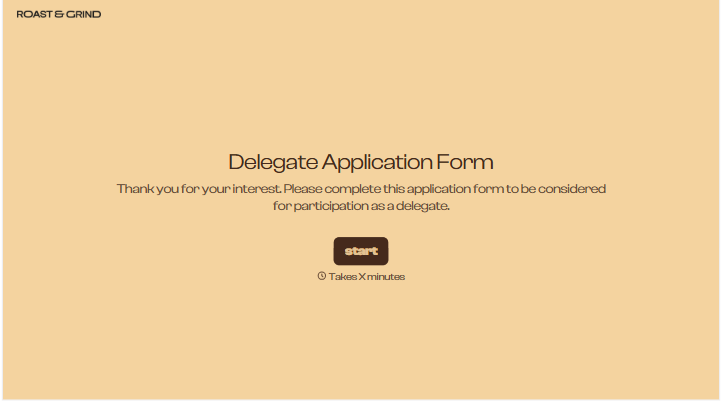
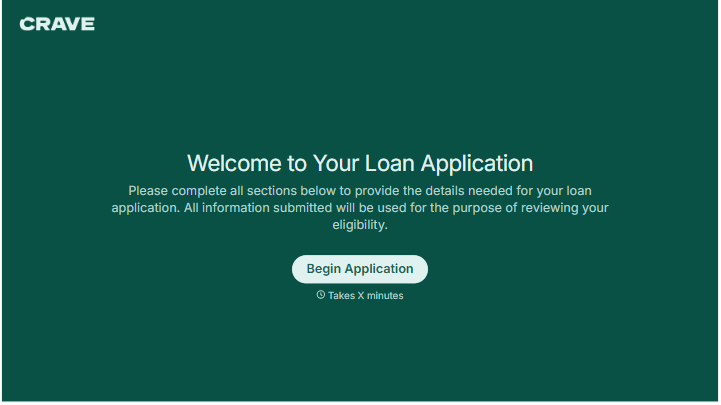
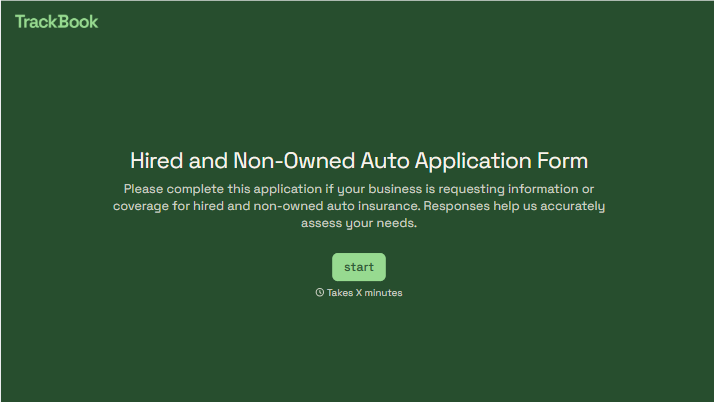
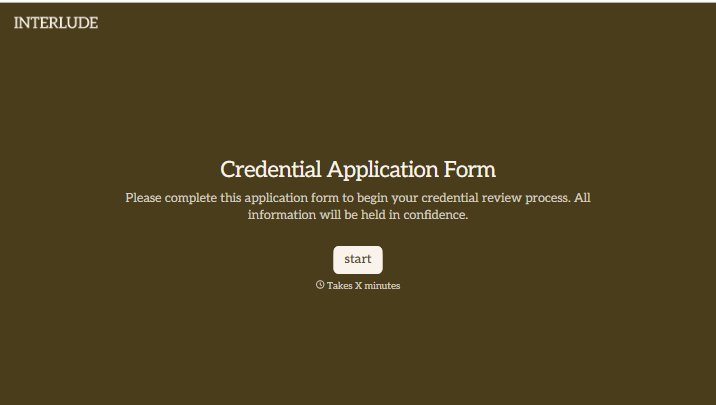
With Typeform, you can customize everything
Change text, colors, and even logos to match the look and feel of your brand. Then embed forms smoothly onto web and email.
Make forms feel effortless to fill out. Pace questions, call people by their name, and adapt the flow based on the data they share.
Stay efficient by connecting forms to your workflow. Typeform integrates with 300+ tools including Slack, Zapier, and HubSpot.