Account Closing Form Template
Make saying goodbye as easy as saying hello.



Nobody likes losing a customer. But making it hard to leave doesn't make people stay — it makes them resentful. An account closing process that requires phone calls during business hours, multiple forms, or a guilt trip disguised as a "retention offer" damages your brand more than the churn itself. People remember how you treated them on the way out, and that memory shapes what they tell others.
This account closing form template creates a straightforward, respectful offboarding experience. Typeform's one-question-at-a-time format guides the user through account verification, reason for leaving, and any final steps, like data export or balance settlement. Conditional logic adapts based on the reason for closure, so someone who's closing due to a billing issue sees a targeted resolution option before proceeding.
Connect submissions to your CRM and customer success team through integrations. You'll capture clean exit data, identify patterns in why people leave, and. Yes — occasionally save accounts when the issue is fixable.
An account closing form is a document or digital process through which a customer, member, or account holder formally requests the closure or termination of their account. It verifies the requester's identity, captures the reason for closure, confirms final financial settlements, and initiates the administrative process of deactivating the account and handling remaining data.
Because friction at this stage doesn't reduce churn — it increases resentment. Customers who can leave easily are more likely to return later and more likely to speak positively about your brand. Customers who feel trapped will leave eventually anyway, but they'll leave angry. Easy offboarding also gives you cleaner data on why people actually leave, which is infinitely more valuable than keeping someone hostage for another billing cycle.
- Account holder name and account number or email
- Identity verification (security question, last 4 of payment method)
- Primary reason for closing the account
- Feedback on what could have been done differently
- Confirmation of data handling preferences (export, delete, retain)
- Acknowledgment of any final balances or obligations
The "reason for leaving" field is your most valuable churn prevention tool, but only if you analyze it systematically. Aggregate responses monthly. Look for patterns: are pricing complaints spiking? Is a competitor being mentioned repeatedly? Is a specific feature gap driving departures? Feed these insights back to product, pricing, and customer success teams. The accounts you've already lost are telling you how to keep the ones you still have.
It depends on how you do it. A well-placed "Before you go, here's a solution to the specific issue you mentioned" can genuinely help. A generic "Are you sure?" speed bump just annoys people. Use conditional logic: if someone selects "too expensive" as their reason, show a discounted plan option. If they select "switching to a competitor," show a comparison or migration support offer. Make it relevant or skip it entirely.
Get inspired by relevant templates and categories
3200+ Templates, 300+ Integrations
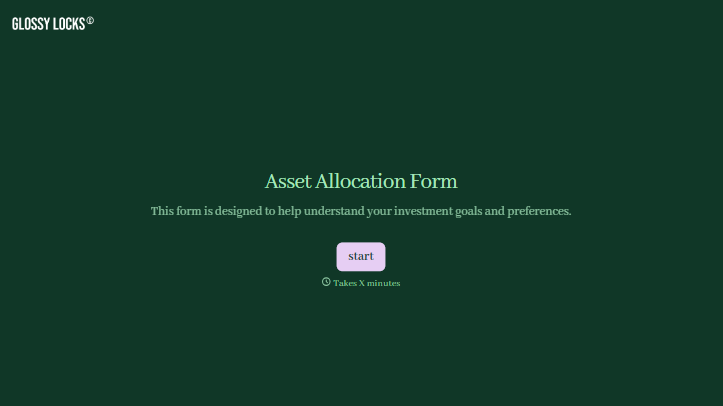
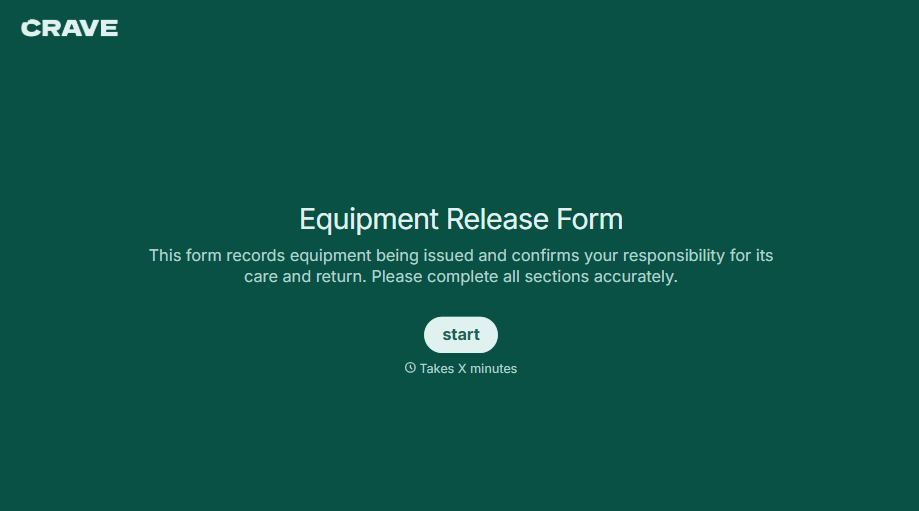
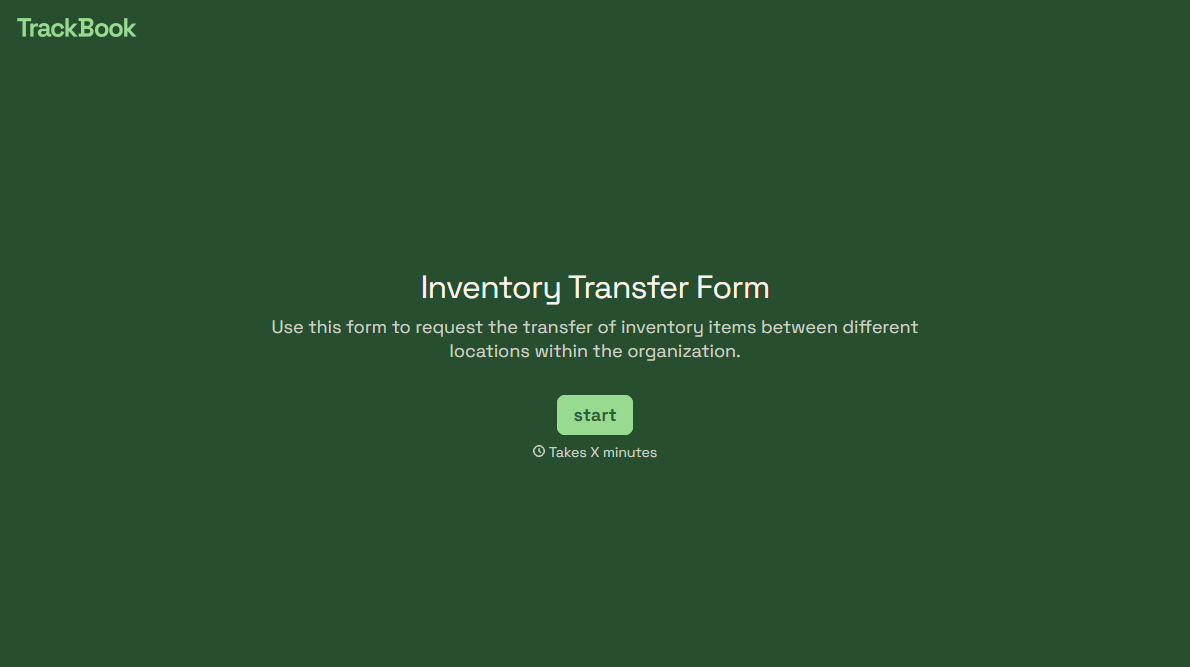
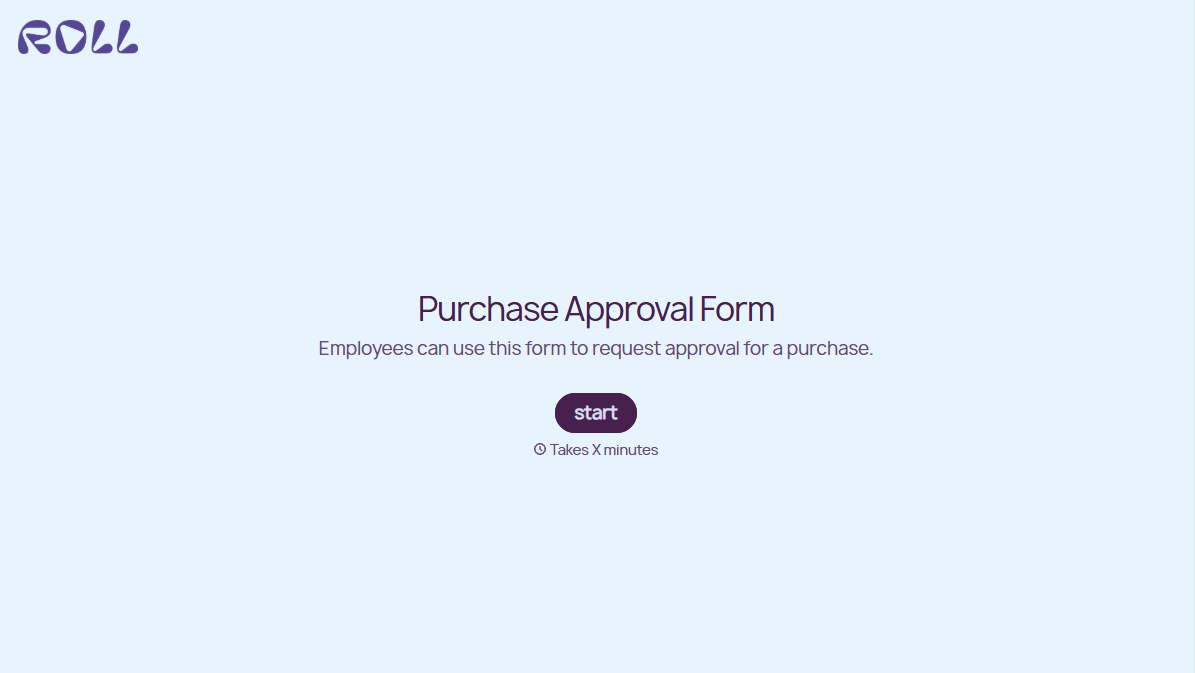
With Typeform, you can customize everything
Change text, colors, and even logos to match the look and feel of your brand. Then embed forms smoothly onto web and email.
Make forms feel effortless to fill out. Pace questions, call people by their name, and adapt the flow based on the data they share.
Stay efficient by connecting forms to your workflow. Typeform integrates with 300+ tools including Slack, Zapier, and HubSpot.