Address Verification Form Template
Confirm a person's current address with a documented, verifiable record.



Many programs, services, and financial institutions require proof that a person actually lives where they say they live — not just a self-reported address, but documentation that ties an individual to a specific location. An address verification form creates that documented record in a consistent, structured format.
This template captures the individual's full name, claimed address, the type of verification being provided (utility bill, lease agreement, bank statement, and so on), details of the supporting document, a document upload field, and a signature confirming the information is accurate. The date of submission creates a timestamped record that confirms when the verification was completed.
The form can be completed digitally from any device and submitted with supporting documents attached in a single workflow. Organizations can customize the accepted document types and validation period to match their specific requirements.
Most commonly: utility bills (gas, electricity, water), bank or financial statements, government-issued mail, lease or rental agreements, and mortgage statements. Most institutions require the document to be dated within 60–90 days and to show the full name and address. Driver's licenses are often not accepted as standalone proof of address.
Most organizations require documents dated within 90 days of the verification request. Some allow up to 6 months for certain document types like a lease agreement. Specify the acceptable timeframe clearly on the form so applicants provide documents that will actually be accepted.
Generally, address verification must be completed by the person being verified, not on their behalf. The signature field and identity information should be the individual's own. If a third party is completing the form for accessibility reasons, document that clearly and consider what additional identity confirmation is appropriate.
Some organizations accept alternative documentation — letters from employers, housing providers, or social service agencies — for individuals who are homeless, recently moved, or don't have utility accounts in their name. Adding a notes or explanation field lets applicants flag non-standard situations for manual review.
Retain them for at least as long as the individual maintains a relationship with your organization, plus any legally required period after that relationship ends. For regulated industries like financial services, specific retention requirements may apply — check the relevant compliance requirements for your sector.
Get inspired by relevant templates and categories
3200+ Templates, 300+ Integrations
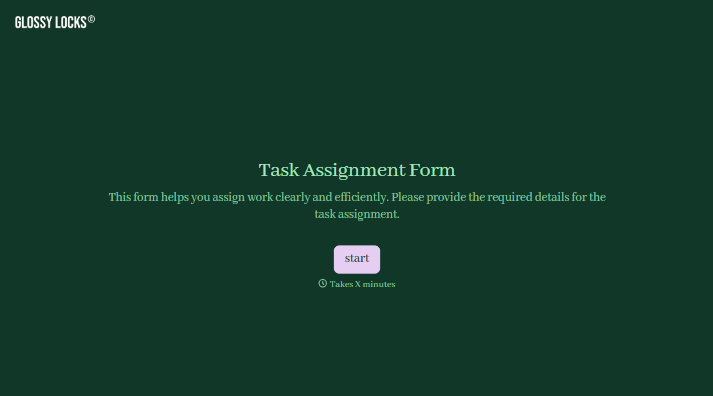
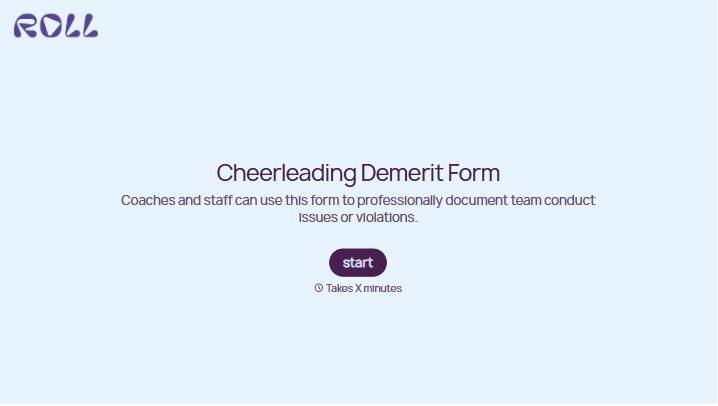
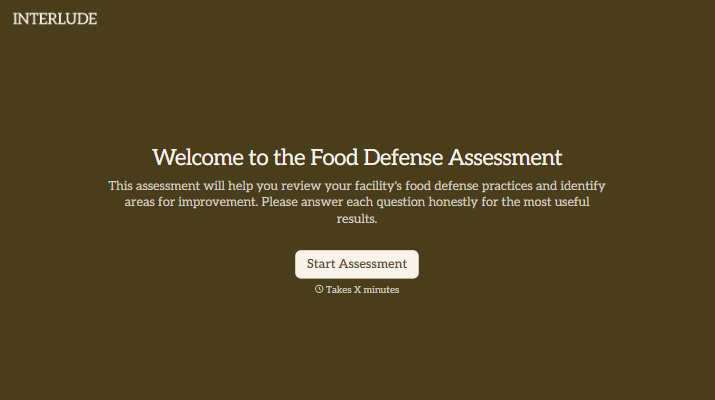
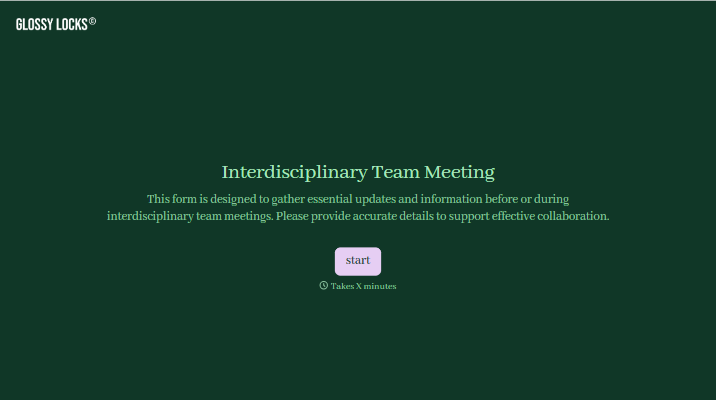
With Typeform, you can customize everything
Change text, colors, and even logos to match the look and feel of your brand. Then embed forms smoothly onto web and email.
Make forms feel effortless to fill out. Pace questions, call people by their name, and adapt the flow based on the data they share.
Stay efficient by connecting forms to your workflow. Typeform integrates with 300+ tools including Slack, Zapier, and HubSpot.