Financial Declaration Form Template
Disclose income, assets, and liabilities in a structured, verifiable format.



Whether it's for a court proceeding, a loan application, a means-tested benefit, or a partnership agreement, a financial declaration establishes a documented record of someone's financial position at a specific point in time. The accuracy and completeness of that record depends heavily on whether the form asks the right questions in a clear, organized way.
This template captures income from all sources (employment, self-employment, investments, and benefits), assets (real estate, vehicles, bank accounts, retirement accounts), liabilities (mortgages, loans, credit card balances), monthly expenses, and a signed declaration confirming the accuracy of the information. Fields are organized by category so nothing obvious gets missed.
The form can be completed digitally and submitted with supporting documentation attached. This reduces the back-and-forth that typically delays financial disclosures — everything the recipient needs arrives in one structured package.
Common scenarios include divorce and family law proceedings, bankruptcy filings, loan applications, government benefit eligibility assessments, court-ordered financial disclosures, and partnership or business dissolution. Each context may have specific disclosure requirements — the form should be customized to match the applicable standard.
It depends on the context. Court-related financial declarations typically require notarization or a sworn oath. Loan applications may require only a signature. Government benefit forms vary by program and jurisdiction. Check what the receiving party requires before submitting.
Providing false information on a financial declaration — particularly in legal or government contexts — can constitute perjury or fraud. The form includes a declaration statement noting that the information is accurate to the best of the individual's knowledge. This makes the legal and ethical stakes explicit.
Granularity depends on the purpose. For a general benefits application, categories (real estate, vehicles, bank accounts) with approximate values may be sufficient. For a court proceeding or financial settlement, individual account numbers, recent balances, and documentation of ownership may all be required. Define the required level of detail for your specific use case.
Add fields that allow the respondent to indicate ownership percentage for jointly held assets and shared liability amounts. For divorce or separation proceedings, both parties typically complete separate declarations — the comparison between them is part of the disclosure process, not something to resolve on a single form.
Get inspired by relevant templates and categories
3200+ Templates, 300+ Integrations

With Typeform, you can customize everything
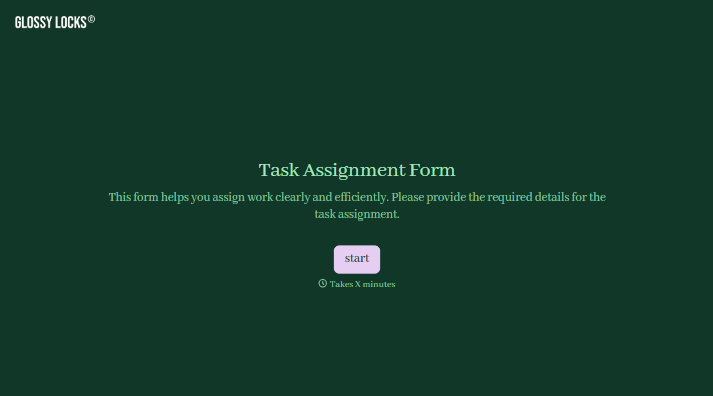
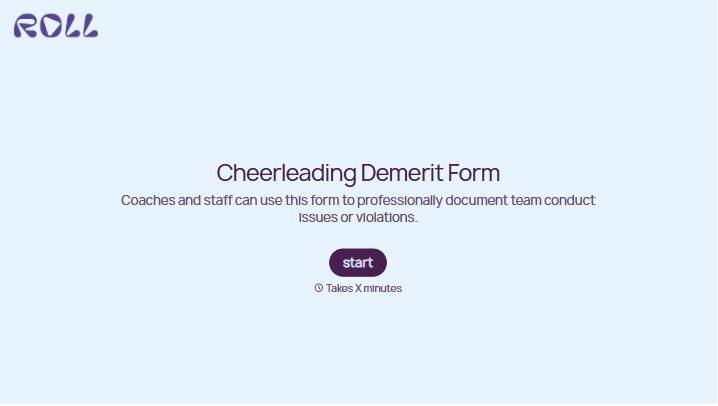
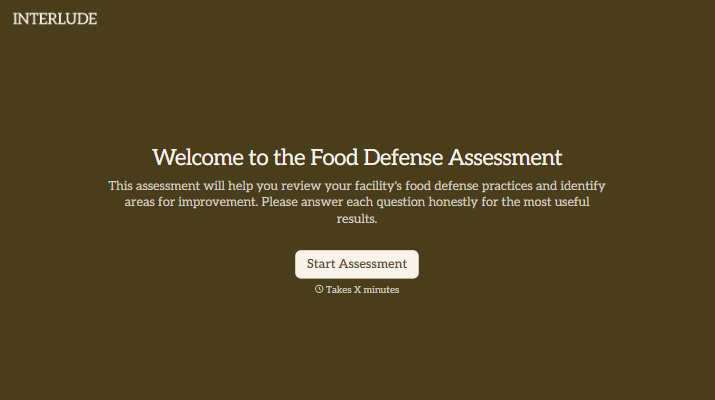
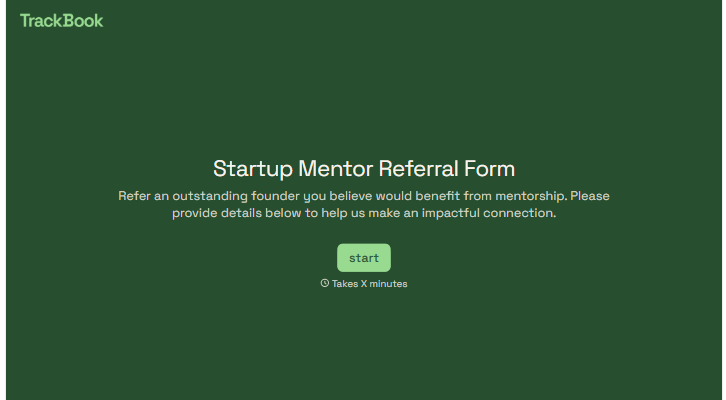
Change text, colors, and even logos to match the look and feel of your brand. Then embed forms smoothly onto web and email.
Make forms feel effortless to fill out. Pace questions, call people by their name, and adapt the flow based on the data they share.
Stay efficient by connecting forms to your workflow. Typeform integrates with 300+ tools including Slack, Zapier, and HubSpot.