First Aid Incident Report Form
Capture incident details, treatment notes, and witness information on the spot, so your team has an accurate record before the details fade.



First aid incidents documented after the fact, from memory or paper notes, produce reports that miss critical details. A missing detail at the scene becomes a problem when a formal review or insurance claim demands an accurate account. Typeform's first aid incident report template gives safety teams a structured process to capture every incident detail immediately.
The form captures incident date, time, and location, the nature of injury or illness, treatment provided, and witness information. Questions appear one at a time, so the reporting officer completes the form systematically without skipping fields under pressure. Conditional logic adapts the form based on incident type. Serious incidents trigger additional fields for emergency service involvement and follow-up, while minor incidents route to witness details and sign-off.
Post a QR code at first aid stations or send the form immediately after an incident via a direct link. Submissions log automatically in Google Sheets via Zapier and trigger notifications to the relevant supervisor or HR contact. Every incident produces a timestamped, consistent report your team can reference in a formal review, insurance claim, or safety audit.
A first aid incident report form documents the details of a workplace or event injury in a structured, timestamped submission. It captures who was involved, what happened, where and when, what treatment was given, and who witnessed the incident. Document incidents on the spot, while details are fresh, and you have a consistent record ready the moment it's needed.
Poorly documented first aid incidents become liability risks the moment a formal complaint, insurance claim, or safety audit begins. Recreating a report from memory days after the incident produces inaccurate accounts that don't hold up under scrutiny. A structured form captures every detail at the scene, so your organization always has a credible record when it matters.
Start with what your team needs from every incident report:
- Date, time, and exact location of the incident
- Name and contact details of the person involved
- Nature of injury or illness and body part affected
- Treatment given and by whom
- Witness names and contact details
Yes. Typeform's File Upload feature lets reporting officers attach injury photos, existing medical documentation, or supporting evidence directly in the form. Accepted file types include JPEGs, PNGs, and PDFs, with a 10 MB limit per file. Files arrive alongside the incident report details, so the complete record is in one place without a separate submission. File Upload is available on paid Typeform plans.
Add a dropdown menu for incident type and use conditional logic to route the reporting officer to the right fields based on severity. Serious injuries trigger fields for emergency services and supervisor sign-off, while minor incidents route to treatment notes and witness details. One form covers every incident type, so your safety team doesn't maintain separate reporting documents for different situations.
Get inspired by relevant templates and categories
3200+ Templates, 300+ Integrations
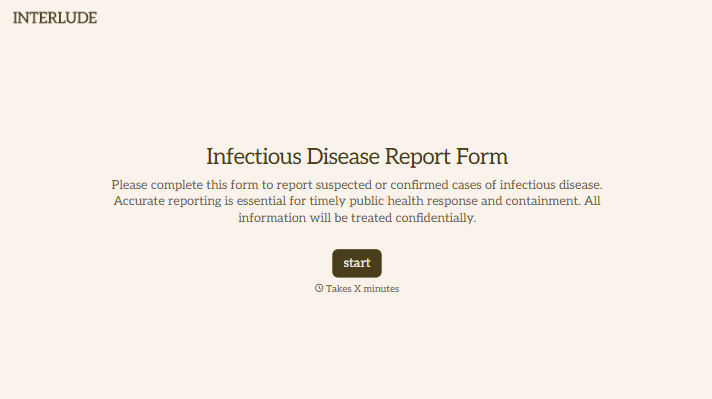

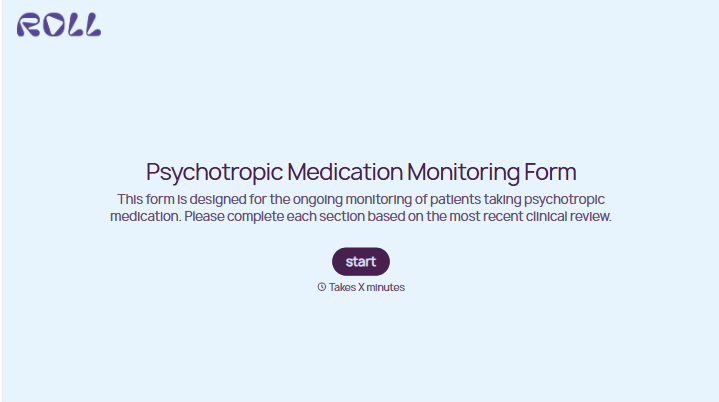
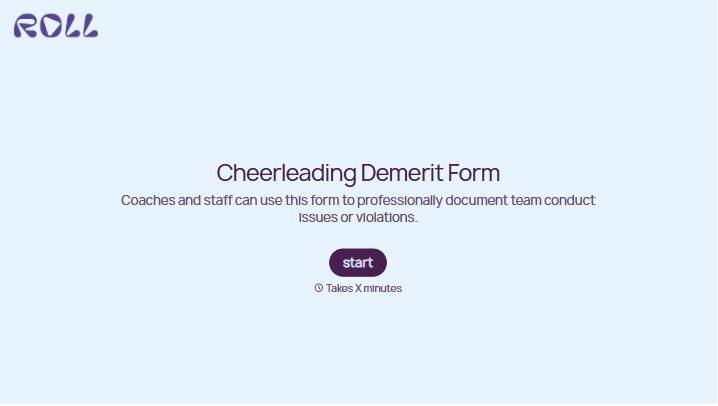
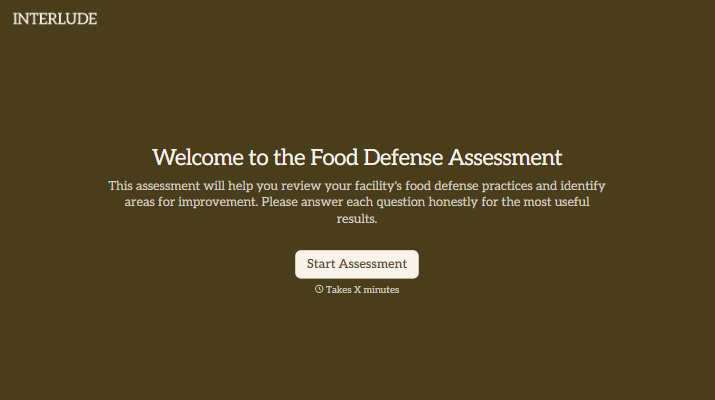

With Typeform, you can customize everything
Change text, colors, and even logos to match the look and feel of your brand. Then embed forms smoothly onto web and email.
Make forms feel effortless to fill out. Pace questions, call people by their name, and adapt the flow based on the data they share.
Stay efficient by connecting forms to your workflow. Typeform integrates with 300+ tools including Slack, Zapier, and HubSpot.