Incident Statement Form Template
Capture an accurate first-person account of an incident — while details are still fresh.



The value of an incident statement depends almost entirely on how quickly it's collected after the event. Memories change, accounts evolve, and details that felt important at the time get forgotten. A structured statement form captures what the person saw, heard, and experienced while the information is most reliable.
This template collects the respondent's name and contact information, the date, time, and location of the incident, a step-by-step account of what happened, details of anyone else involved or who witnessed the event, any injuries or property damage observed, and a signature confirming the account is true to the best of the respondent's knowledge. Photos or supporting documents can be uploaded directly.
The form can be completed on a phone, tablet, or computer — which is particularly useful in situations where the statement needs to be taken in the field rather than at a desk. Responses are stored securely and can be exported for insurance claims, legal proceedings, or internal investigations.
An incident report is typically completed by the person managing or responding to the incident — a supervisor, security officer, or HR manager — and documents what happened from an organizational perspective. An incident statement is completed by a witness or person directly involved and records their first-person account. Both are often collected as part of the same investigation.
For most workplace, property, or personal injury contexts, a signed statement is sufficient. If the statement is being used in legal proceedings, your attorney or the relevant court may require it to be a sworn affidavit rather than a standard signed statement. Check the requirements for your specific use case.
Separately — always. Witnesses who compare notes before giving statements influence each other's recollections. Independent statements taken before witnesses have had a chance to discuss the event are significantly more reliable, and courts and insurance adjusters view them more favorably.
In employment contexts, employees can generally be required to participate in an internal investigation, including giving a statement. In public or civil contexts, you typically cannot compel someone to give a voluntary statement without legal process. Consult an attorney if you're dealing with a situation where someone is refusing to cooperate.
At minimum until any related insurance claim, legal proceeding, or formal investigation is fully resolved. For workplace incidents, follow OSHA or equivalent regulatory requirements for your jurisdiction. When in doubt, retain longer — incident statements have a habit of becoming relevant years after the fact.
Get inspired by relevant templates and categories
3200+ Templates, 300+ Integrations

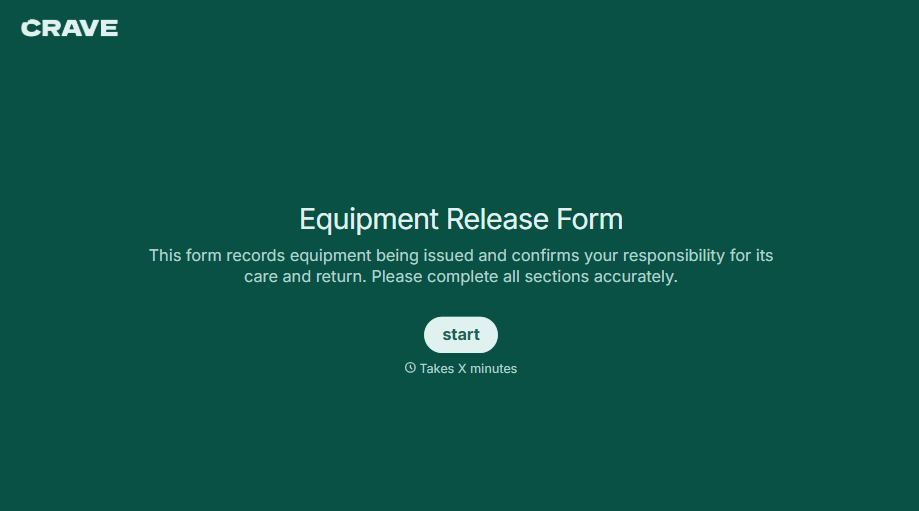
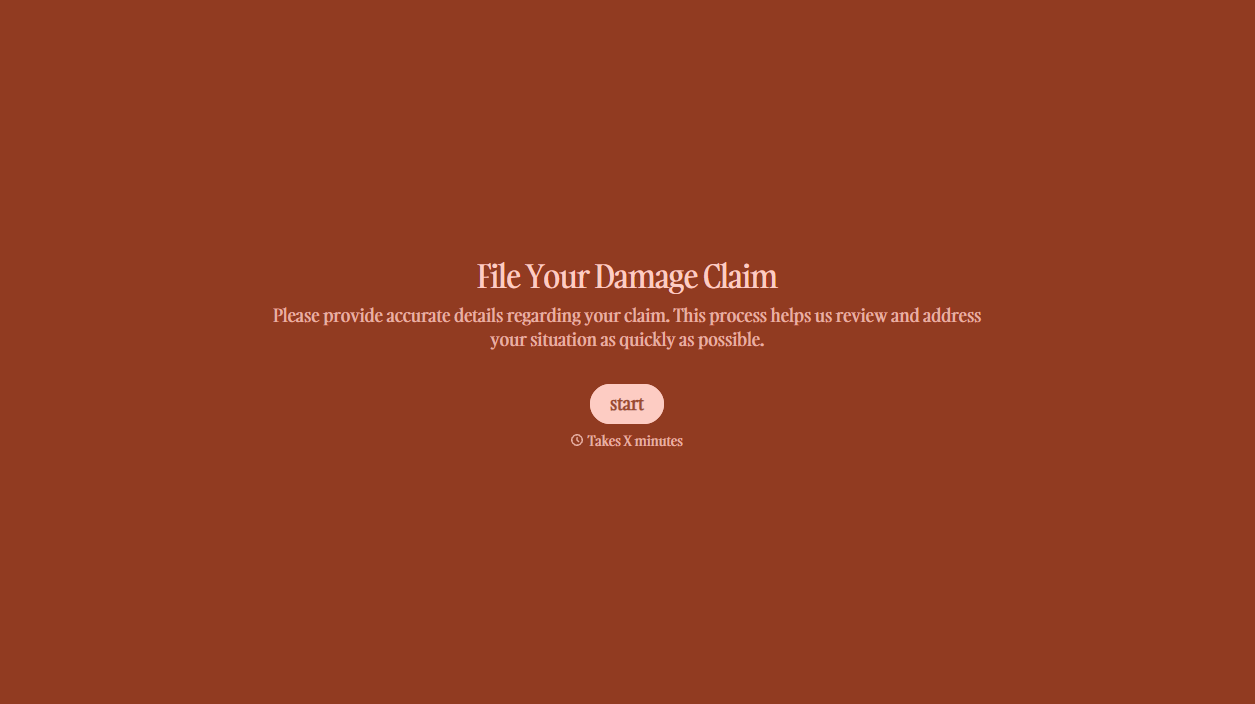
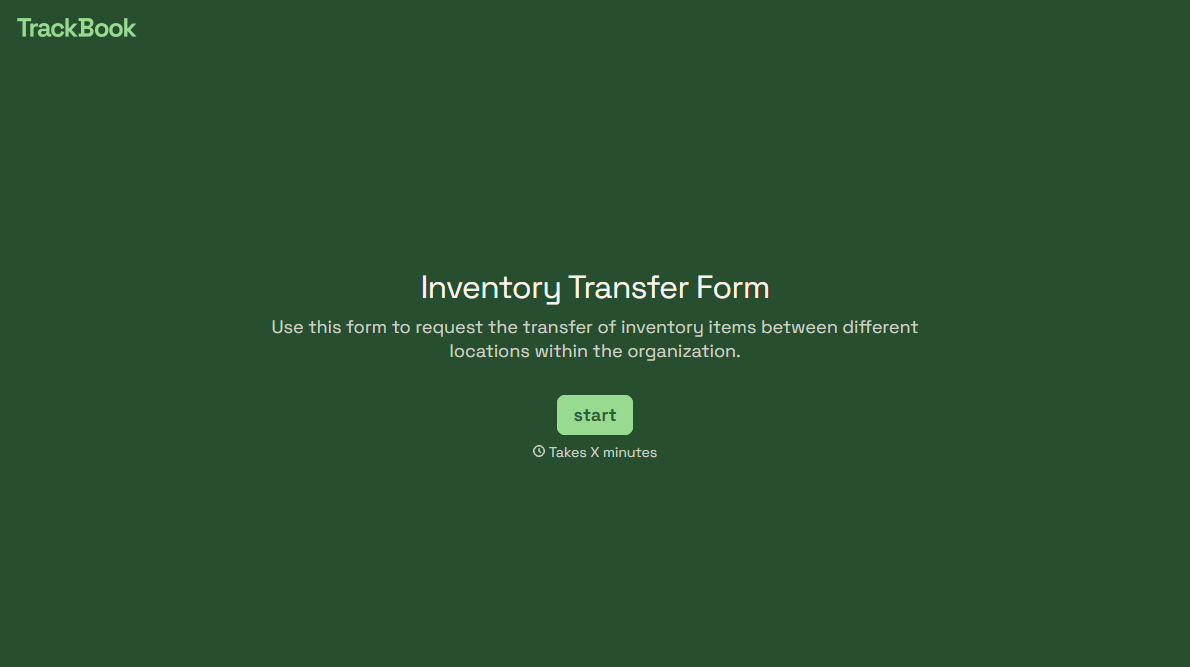
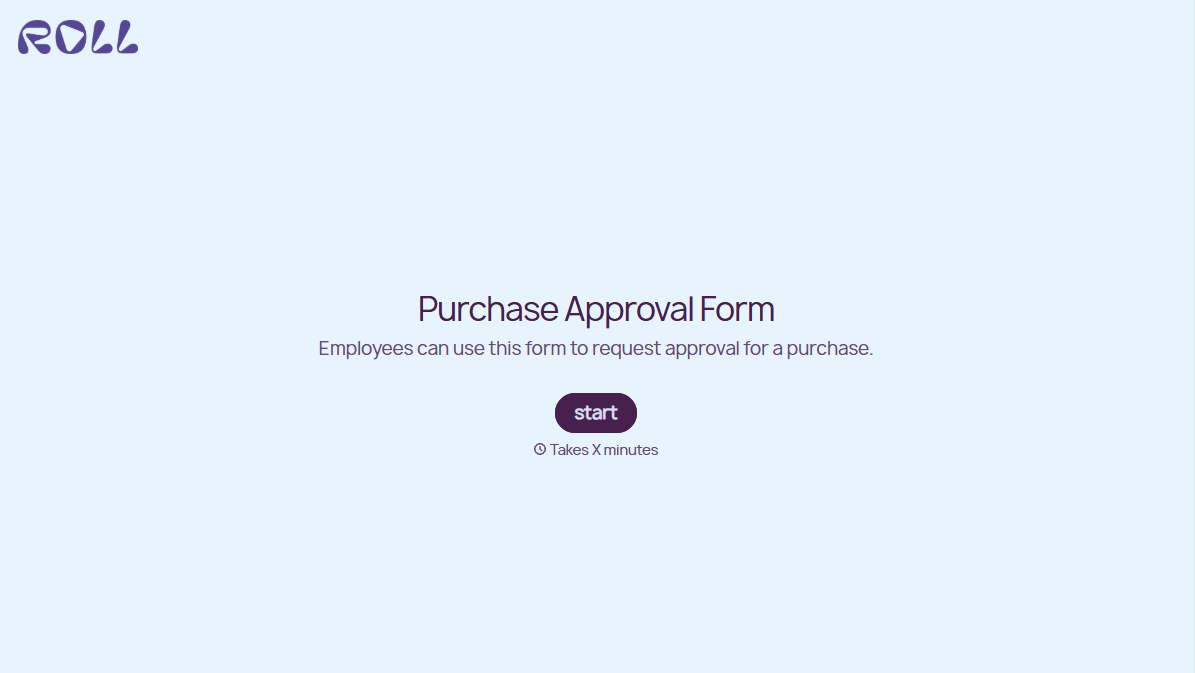
With Typeform, you can customize everything
Change text, colors, and even logos to match the look and feel of your brand. Then embed forms smoothly onto web and email.
Make forms feel effortless to fill out. Pace questions, call people by their name, and adapt the flow based on the data they share.
Stay efficient by connecting forms to your workflow. Typeform integrates with 300+ tools including Slack, Zapier, and HubSpot.