Procedure Consent Form Template
Obtain informed consent before any medical or aesthetic procedure. Document the procedure details, risks and alternatives, the patient's questions, and their voluntary agreement to proceed.



Every procedure — whether surgical, non-surgical, or diagnostic — requires documented informed consent. The patient needs to understand what the procedure involves, why it's recommended, what the risks and benefits are, what alternatives exist, and what happens if they choose not to proceed. A thorough consent form captures all of this before you begin.
This template covers the patient's name and date of birth, the procedure being performed and the clinical indication, a description of what will happen, the anticipated benefits, possible risks and complications ranging from common to rare, alternatives considered, the practitioner's qualifications, questions raised by the patient, anesthesia type if applicable, and the patient's signature confirming voluntary, informed consent.
Hospitals, surgical centers, outpatient clinics, aesthetic practices, and dental offices use procedure consent forms before every clinical procedure. Store in the patient's medical record alongside the operative note or treatment record. Review and refresh consent for any changes in the planned procedure. Completed consents support clinical documentation, quality review, and medico-legal protection.
The performing practitioner should obtain consent personally — not delegate it entirely to administrative staff. Witnessing requirements vary by jurisdiction and procedure type.
Disclose all risks a reasonable patient would want to know — including common minor risks and rare but serious ones. Work with your legal team to determine appropriate language.
Document any questions in the form's notes field and confirm they were answered before proceeding. The patient can change their mind and withdraw consent at any time before the procedure.
A legally authorized surrogate can consent when the patient lacks capacity. Collect the surrogate's details, authority basis, and signature in a guardian/surrogate section.
Retain with the full medical record — typically seven years minimum, longer for pediatric patients in many jurisdictions. Follow your organization's records retention policy.
Get inspired by relevant templates and categories
3200+ Templates, 300+ Integrations
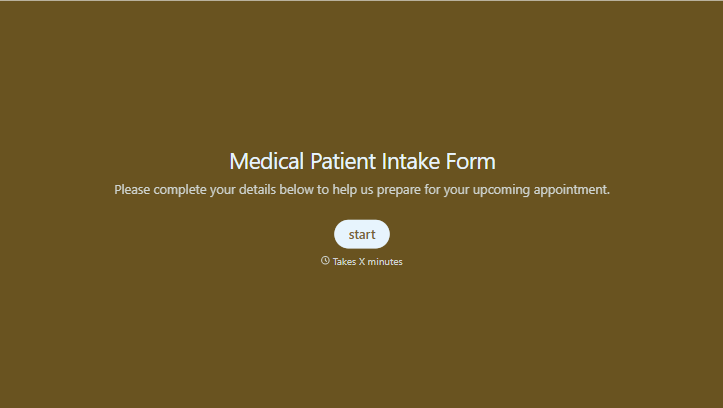
Medical Patient Intake Form
Move past a clipboard that captures a name and an insurance card. Screen for the medical history that actually changes how a patient is treated, document informed consent and privacy acknowledgment, and keep a timestamped signature on file for exactly what your patient agreed to.
View template
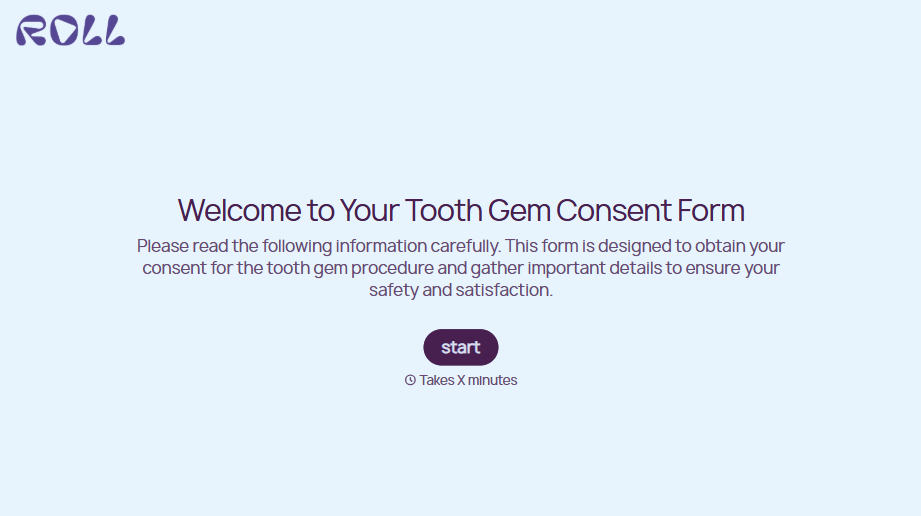
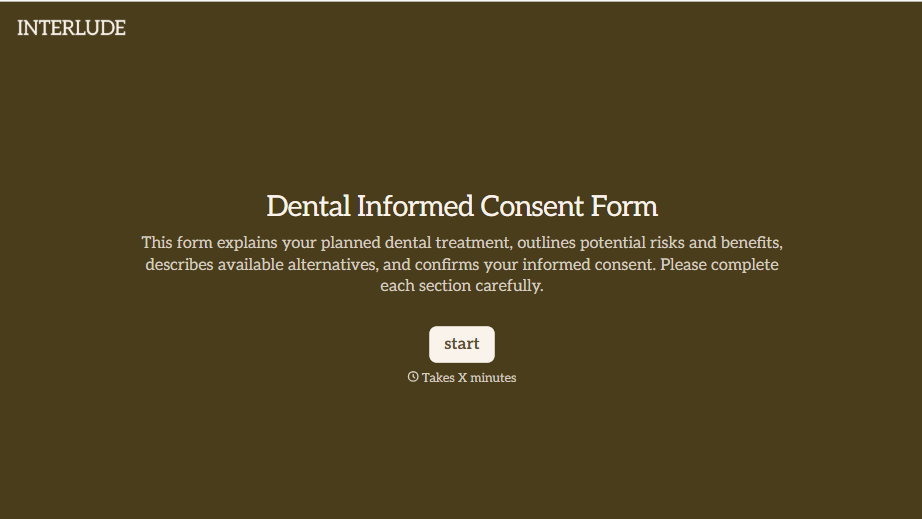

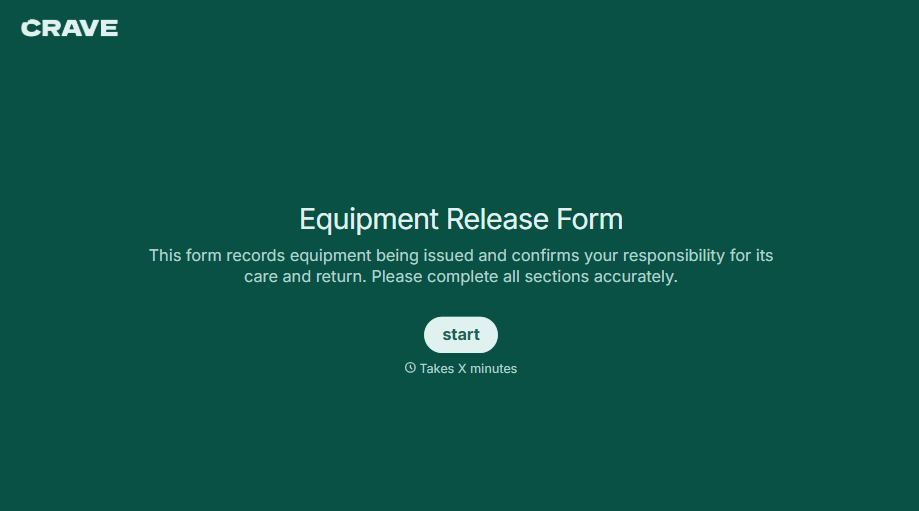
With Typeform, you can customize everything
Change text, colors, and even logos to match the look and feel of your brand. Then embed forms smoothly onto web and email.
Make forms feel effortless to fill out. Pace questions, call people by their name, and adapt the flow based on the data they share.
Stay efficient by connecting forms to your workflow. Typeform integrates with 300+ tools including Slack, Zapier, and HubSpot.