Quality Alert Form Template
Flag a product or process quality issue with the documentation needed for immediate action.


In manufacturing, distribution, and production environments, the window to contain a quality issue is often measured in hours. A quality alert form ensures that the right information reaches the right people immediately — with enough specificity to make a decision about containment and corrective action without a follow-up investigation just to understand what happened.
This template captures the reporting person's name and department, the date and time the issue was identified, the product or process affected (with part number, batch, or lot reference), a clear description of the nonconformance, the quantity affected, any immediate containment actions already taken, root cause hypothesis, and photos of the defect or issue. Priority level fields help route the alert appropriately — safety issues get different treatment than cosmetic defects.
Submit from a phone on the production floor and the alert reaches the quality manager and relevant department heads immediately. All information is captured in the initial submission, so the team starts the response with a full picture rather than reconstructing it through a series of conversations.
A quality alert is immediate — it flags a problem in real time so it can be contained before it spreads further. A corrective action request (CAR or CAPA) is the formal follow-up process that investigates root cause and implements a permanent fix. The alert form triggers the CAR process, not replaces it.
At minimum: the quality manager, the relevant production or operations supervisor, and — for safety issues — the safety officer. For customer-facing quality issues, account management should be in the loop early. Configure the form to send notifications based on priority level or product category so the right people are always included.
As specific as possible. 'Dimensional nonconformance on part X' is more useful than 'parts are wrong.' Include the specification the part should meet, what was actually measured or observed, and how far out of spec the issue is. The more specific the description, the faster the response team can make decisions about containment.
Yes. Equipment malfunctions, process parameter deviations, environmental conditions that fall outside acceptable ranges — all of these can compromise quality and should be flagged through the same system. A unified alert system gives you a complete quality event log rather than siloed records across different departments.
Most quality management systems (and standards like ISO 9001 and IATF 16949) require quality records to be retained for a defined period — typically 3–10 years depending on the product type and regulatory context. For safety-critical industries like automotive, medical devices, or aerospace, longer retention is often required.
Get inspired by relevant templates and categories
3200+ Templates, 300+ Integrations
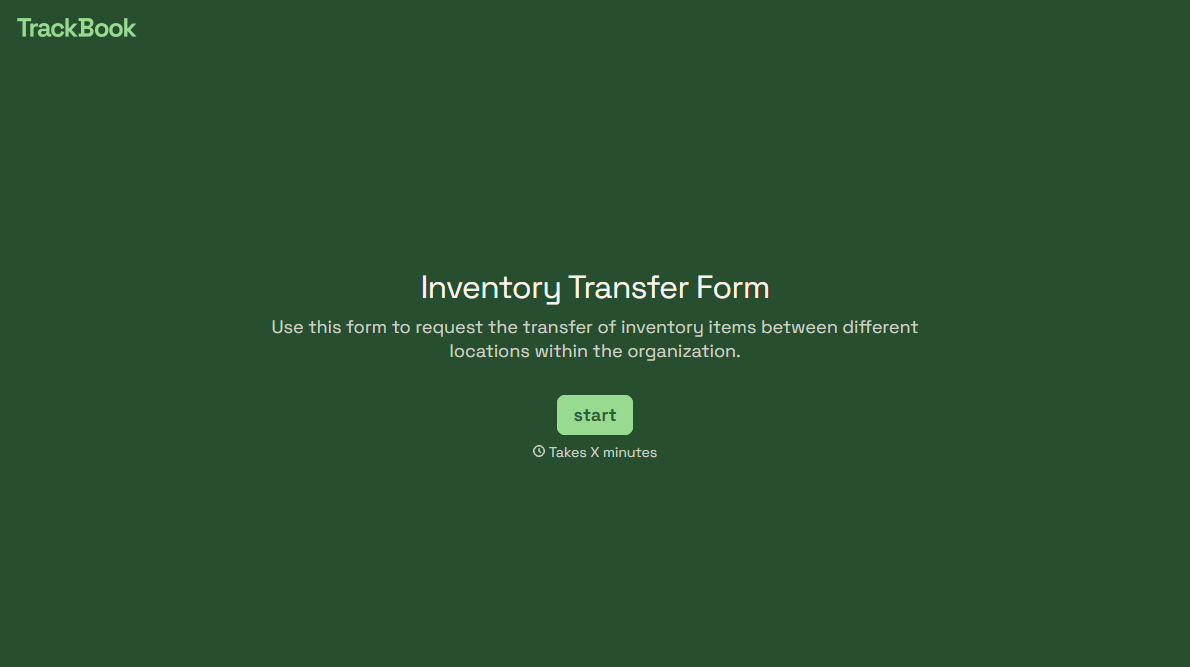
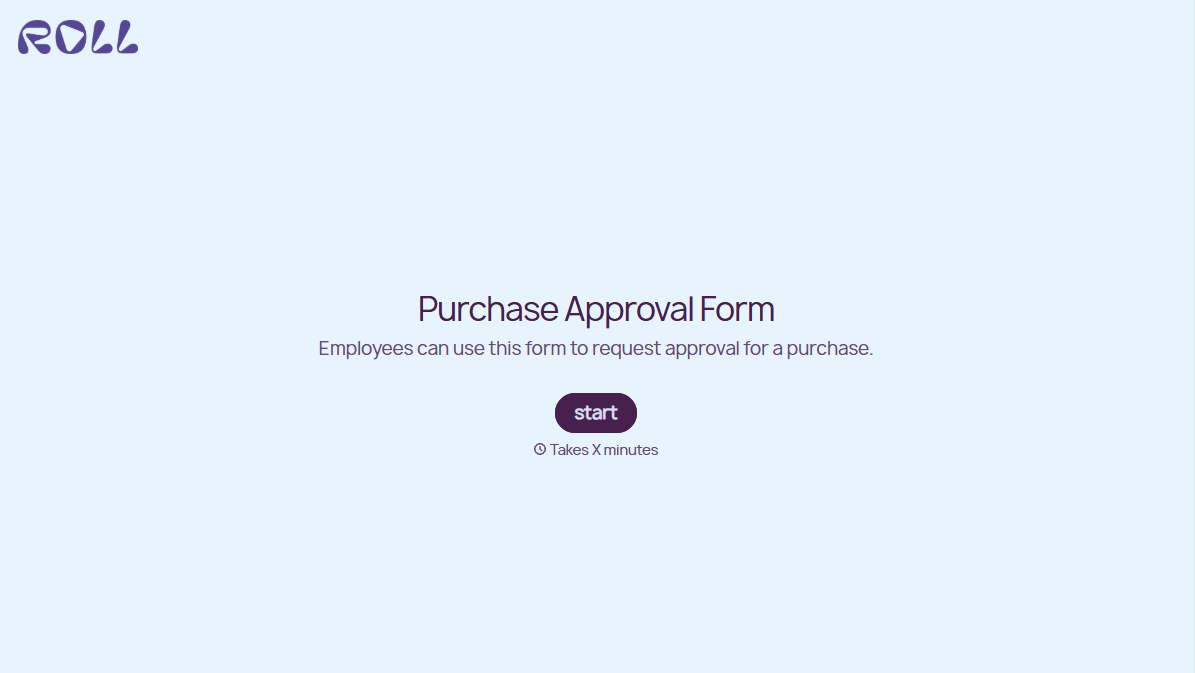
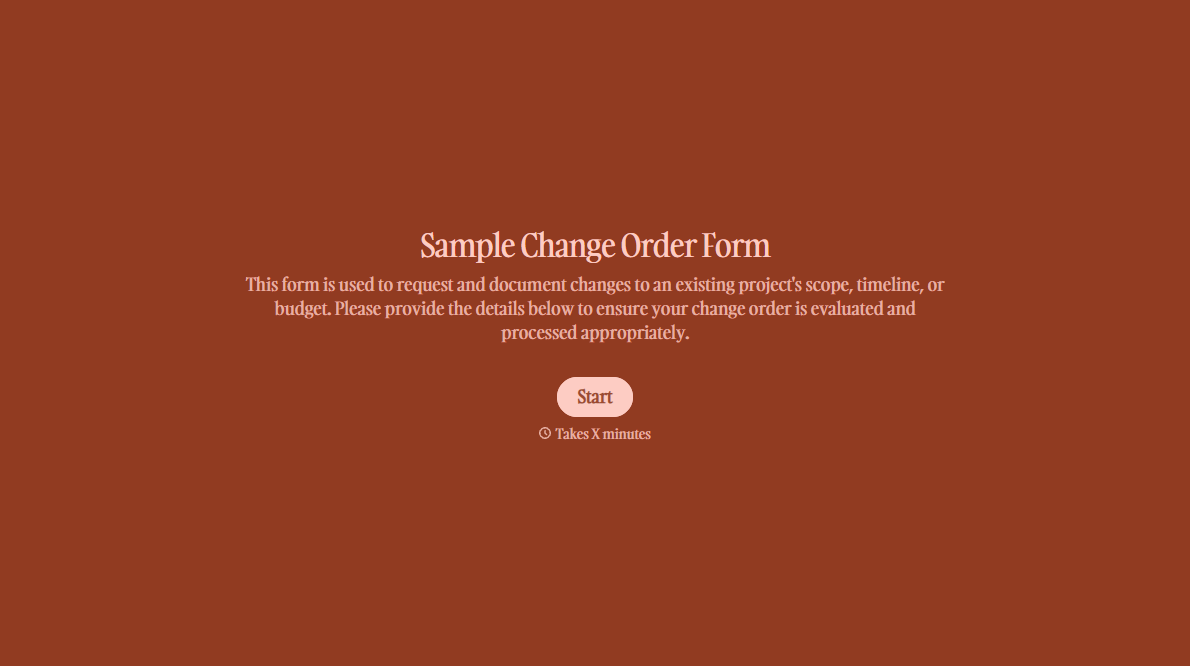
With Typeform, you can customize everything
Change text, colors, and even logos to match the look and feel of your brand. Then embed forms smoothly onto web and email.
Make forms feel effortless to fill out. Pace questions, call people by their name, and adapt the flow based on the data they share.
Stay efficient by connecting forms to your workflow. Typeform integrates with 300+ tools including Slack, Zapier, and HubSpot.