Self Employment Verification Form Template
Document self-employment income in a format lenders and landlords actually accept.


When you're self-employed, proving your income is harder than producing a pay stub. Lenders, landlords, and government agencies often require a formal verification of your self-employment status and income before approving an application — and a well-structured form makes that process faster for everyone involved.
This template collects the applicant's full name, business name, nature of the business, how long they've been self-employed, their average monthly or annual income, and an attestation that the information is accurate. There's space to reference supporting documents like tax returns, bank statements, or profit-and-loss statements that should accompany the submission.
The form can be completed digitally and submitted along with supporting documents in a single workflow. This reduces back-and-forth — the recipient gets everything they need in one package rather than multiple emails with attachments.
Typically: the most recent 2 years of tax returns (personal and business), 3–6 months of bank statements showing business income deposits, and a profit-and-loss statement prepared by an accountant or the business owner. The exact requirements depend on what the requesting party needs.
Yes. Lenders and landlords commonly request self-employment verification alongside income documentation. Some lenders also require a letter from a CPA or accountant confirming the business has been operating for at least 2 years — you can add a field for accountant details if that's relevant to your situation.
For most rental applications, self-attestation is sufficient. For mortgage applications, lenders often want a CPA letter or official tax transcripts rather than a self-completed form. Check what the specific institution requires before submitting — the form works best as part of a broader documentation package.
Self-employment income for verification purposes is typically net income after business expenses — what appears on your Schedule C or equivalent. Gross revenue before expenses is generally not accepted as income for qualification purposes, though some lenders use different calculations. Clarify with the requesting party what basis they use.
Yes. Freelancers, consultants, contractors, and gig workers all fall under self-employment for income verification purposes. The key is having adequate documentation to support the figures on the form — 1099s, invoices, and bank records are the most commonly accepted for gig and freelance income.
Get inspired by relevant templates and categories
3200+ Templates, 300+ Integrations
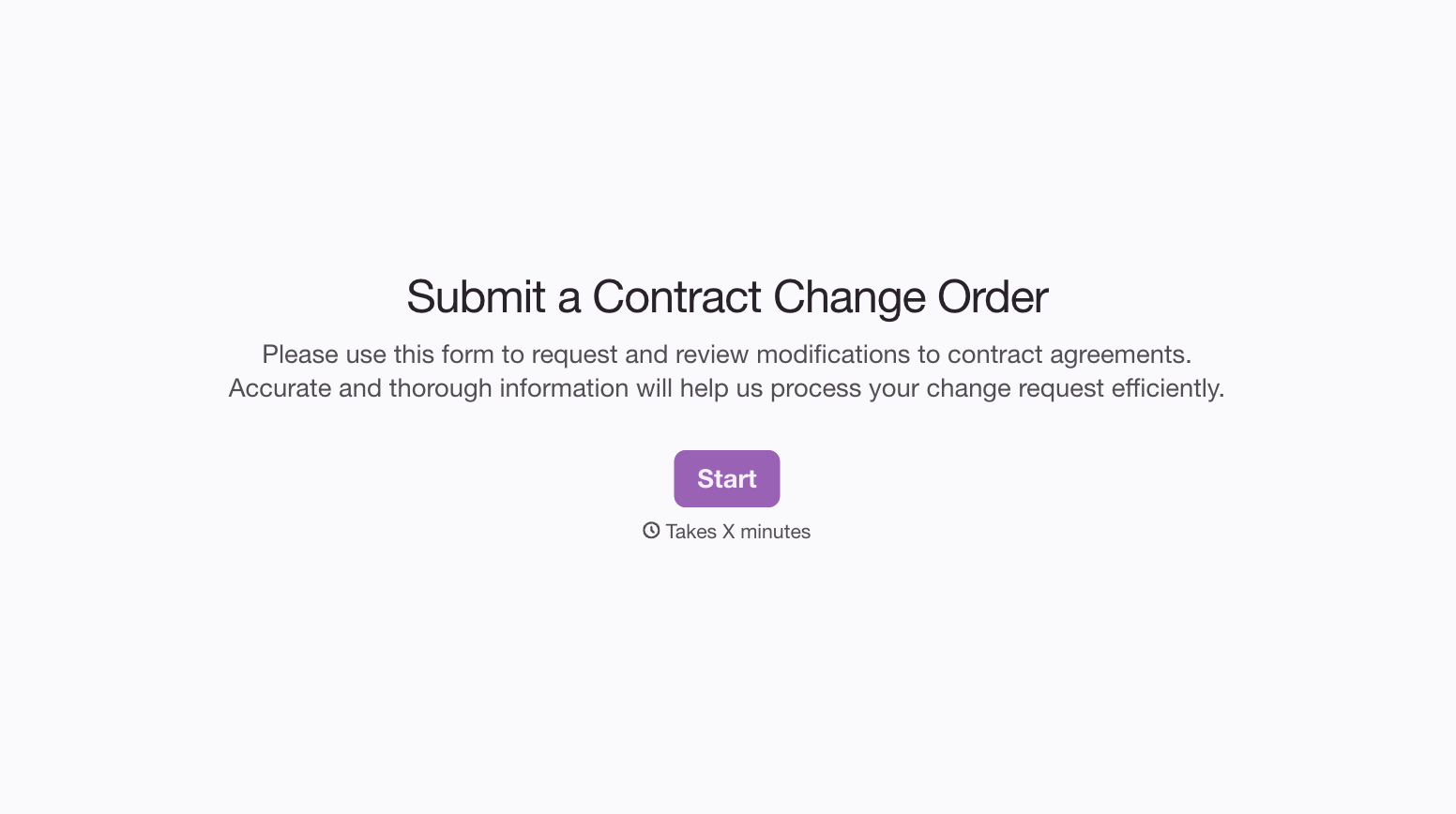
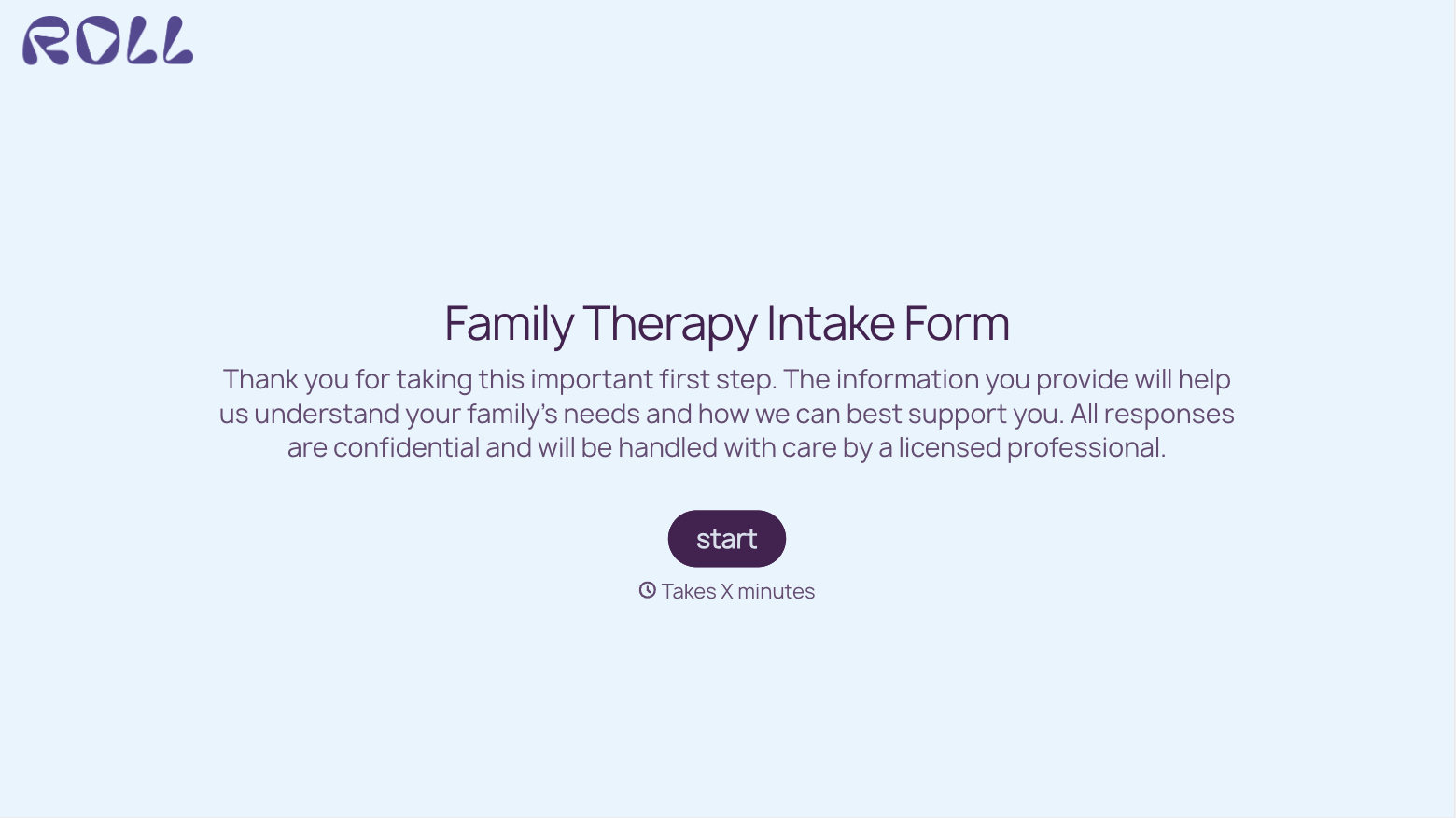
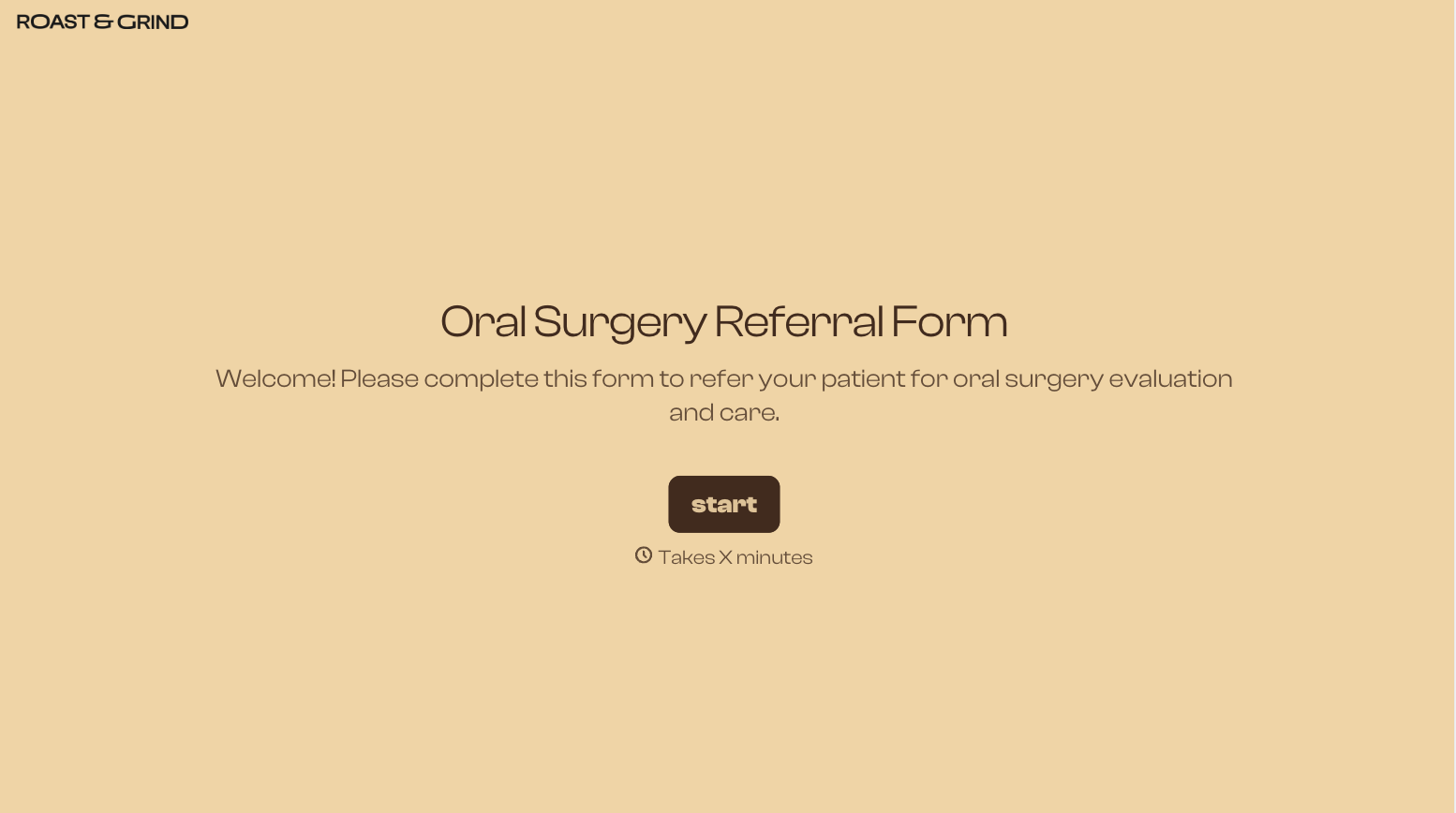
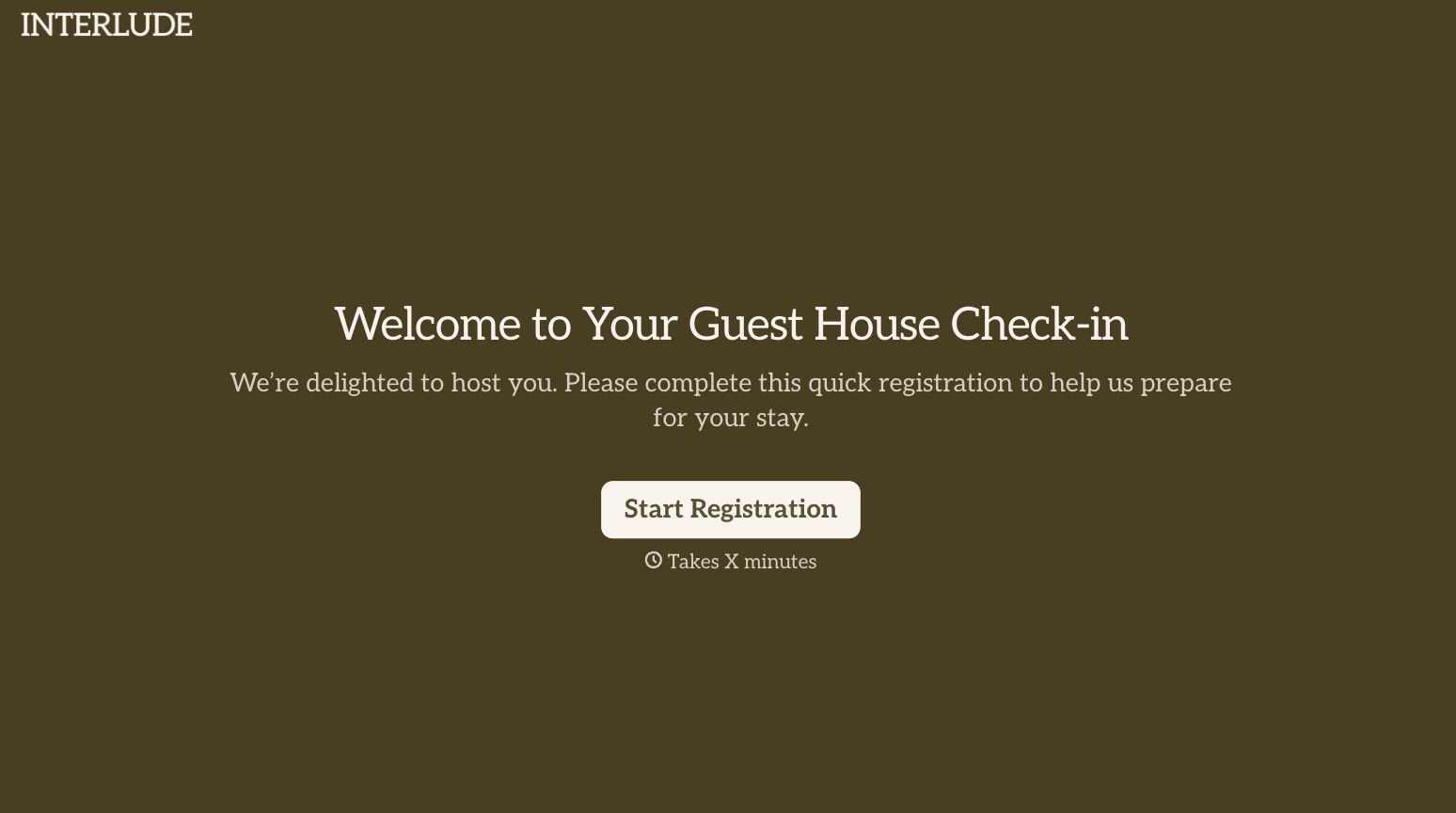

With Typeform, you can customize everything
Change text, colors, and even logos to match the look and feel of your brand. Then embed forms smoothly onto web and email.
Make forms feel effortless to fill out. Pace questions, call people by their name, and adapt the flow based on the data they share.
Stay efficient by connecting forms to your workflow. Typeform integrates with 300+ tools including Slack, Zapier, and HubSpot.