User Satisfaction Survey Template
Measure how your users actually feel about your product, not how you hope they feel.



Usage data tells you what people do in your product. Satisfaction data tells you how they feel about doing it. Both matter, but only one helps you understand whether users will stick around, recommend you, or quietly switch to a competitor. The catch is that most satisfaction surveys are boring, generic, and too long, so the people who complete them aren't representative of your user base.
This user satisfaction survey template is designed to maximize response rates by being short, conversational, and respectful of time. The one-question-at-a-time format keeps users engaged, and conditional logic tailors follow-ups based on their answers — satisfied users get prompted for a testimonial, while dissatisfied users are asked what needs to change. Push responses to Google Sheets, your product analytics tool, or Slack via Zapier.
Adapt the questions to focus on the aspects of your product that matter most — onboarding, core features, support, pricing, and deploy via email, in-app embed, or post-interaction trigger. Clean, branded, and ready in minutes.
A user satisfaction survey is a feedback tool that measures how happy users are with your product or service. It typically combines quantitative ratings (like NPS, CSAT, or CES scores) with qualitative open-ended questions. The goal is to understand user sentiment, identify friction points, and gauge loyalty.
Because satisfied users renew, expand, and refer, and dissatisfied users do the opposite, usually without telling you first. Regular satisfaction measurement gives you an early warning system for churn, a prioritization tool for your product roadmap, and evidence to support investment in user experience improvements.
Keep it tight — every extra question costs you completions:
- Overall satisfaction with the product (rating scale)
- How easy the product is to use
- Which features they find most valuable
- What frustrates them or could be improved
- Likelihood of recommending the product to a colleague
- One thing they'd change if they could
It depends on the metric you use. CSAT is typically the percentage of respondents who selected "satisfied" or "very satisfied." NPS subtracts detractors (0-6) from promoters (9-10) on a 0-10 scale. CES averages effort ratings. The number itself matters less than the trend. Track it over time and look for shifts after product changes or support improvements.
Limit surveys to once per quarter for the same user segment. Keep each survey under 5 minutes. Rotate which users receive the survey so you're not hitting the same people every time. And most importantly. Act on the feedback visibly. Users stop responding when they feel their input disappears into a void.
Get inspired by relevant templates and categories
3200+ Templates, 300+ Integrations

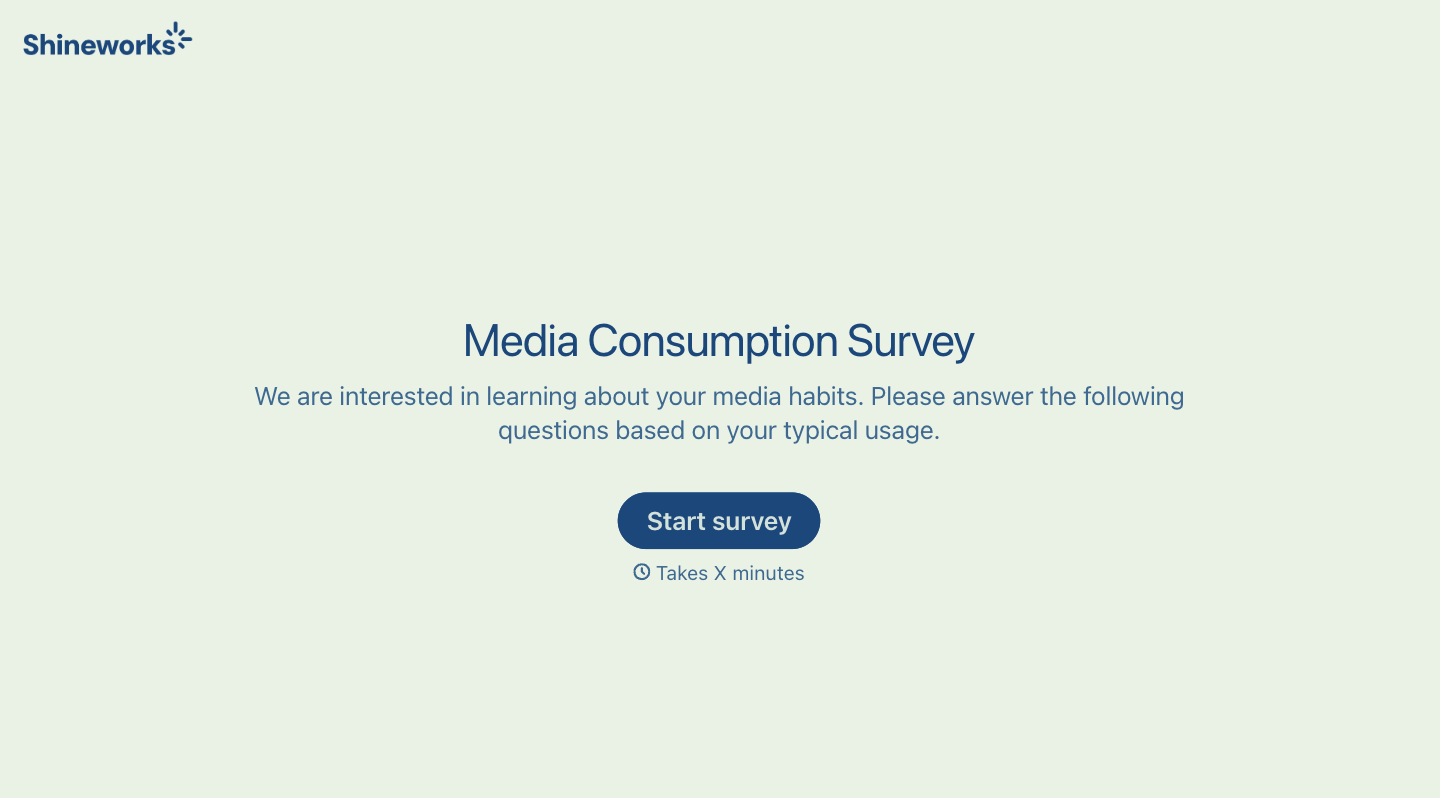
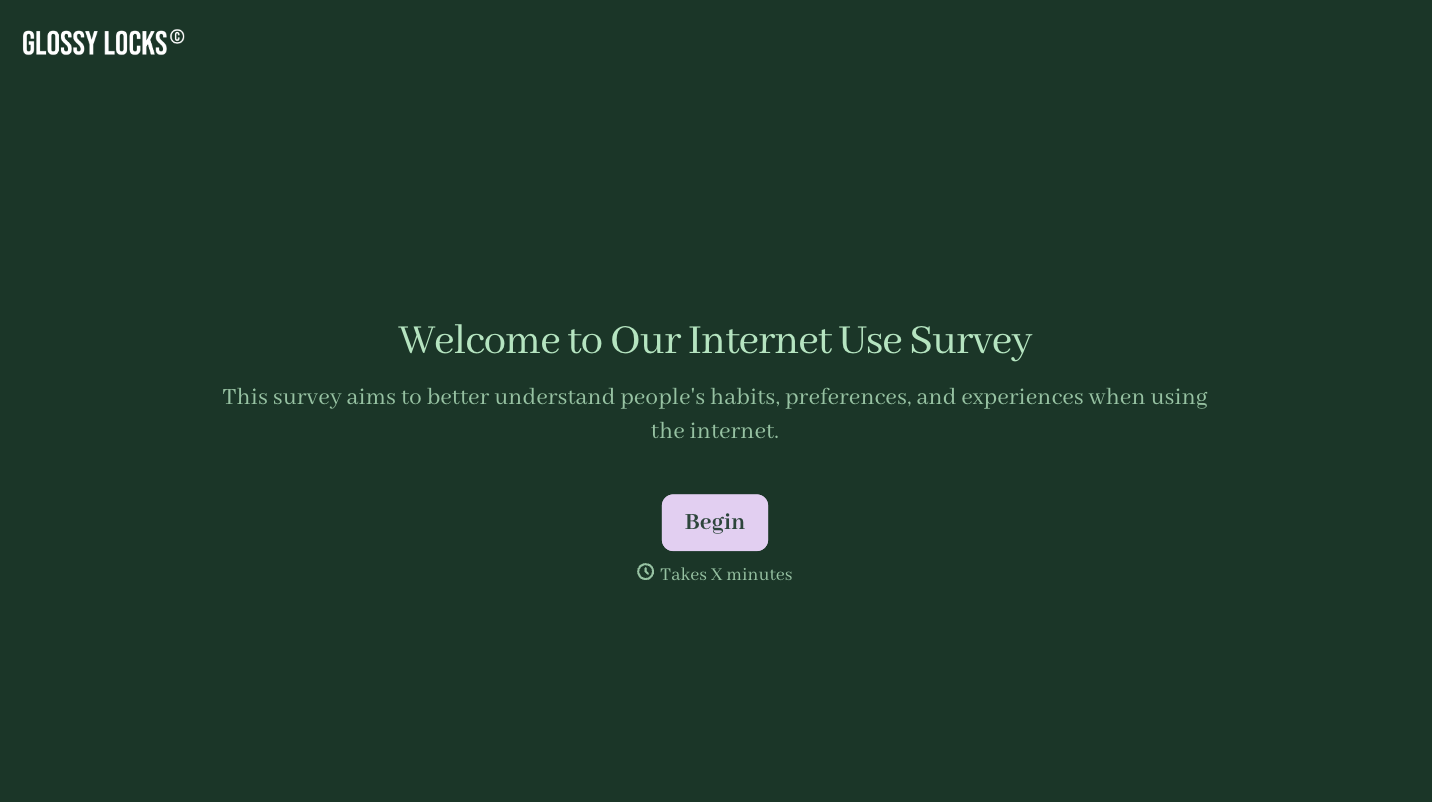

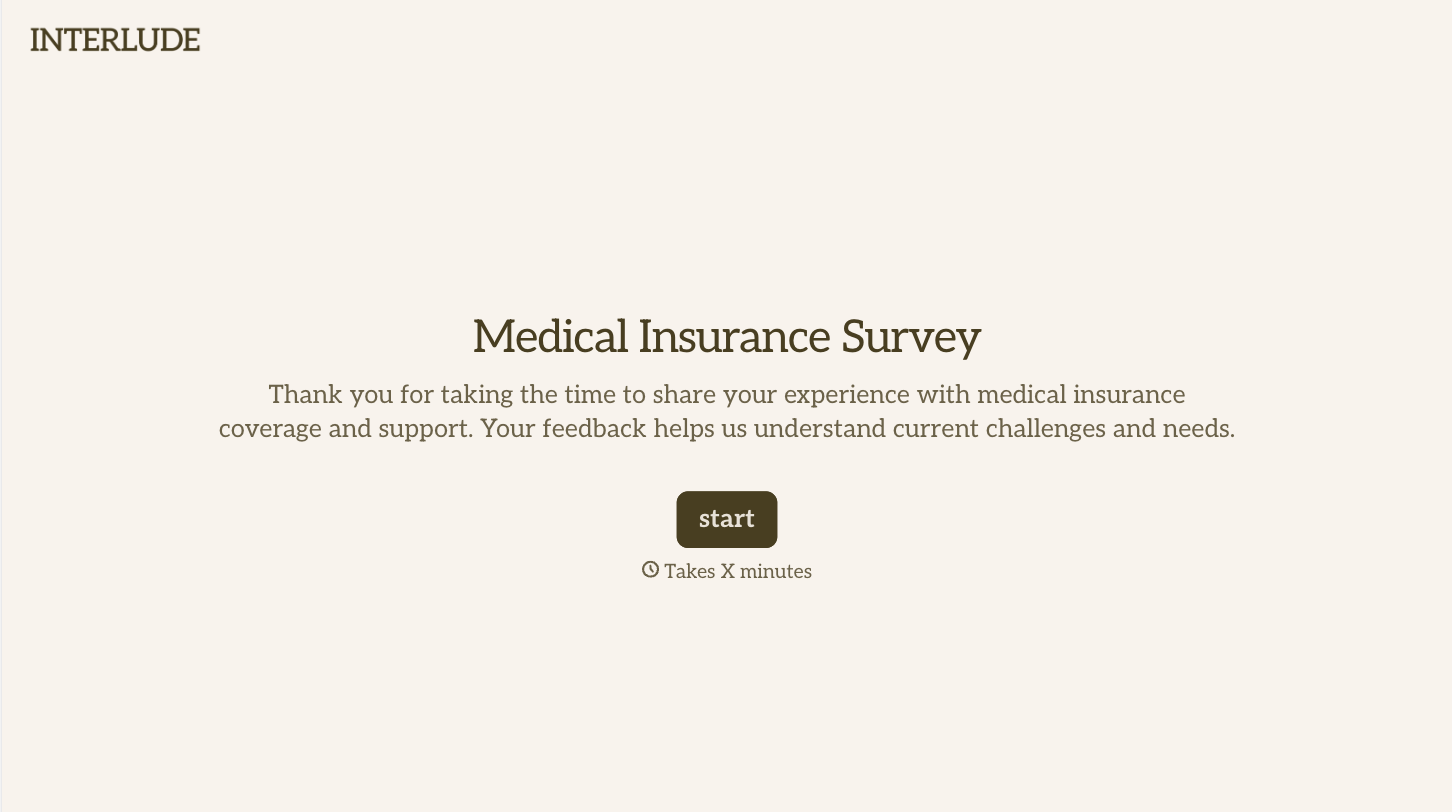
With Typeform, you can customize everything
Change text, colors, and even logos to match the look and feel of your brand. Then embed forms smoothly onto web and email.
Make forms feel effortless to fill out. Pace questions, call people by their name, and adapt the flow based on the data they share.
Stay efficient by connecting forms to your workflow. Typeform integrates with 300+ tools including Slack, Zapier, and HubSpot.