Net Promoter Score Survey Template
Find out who loves you, who's lukewarm, and who's about to leave, all in one question.



Net Promoter Score is deceptively simple: ask people how likely they are to recommend you, and you get a pulse on customer loyalty. But the magic isn't in the number. It's in what you do with it. Most NPS surveys fail because they're ugly, slow, or don't capture the "why" behind the score. You end up with a number you can track but can't act on.
This NPS survey template delivers a clean, focused experience. The signature 0-10 rating question appears in a format that's intuitive on any device, followed by a conditional follow-up that adapts based on the score. Promoters (9-10) are asked what they love most. Passives (7-8) are asked what would push their score higher. Detractors (0-6) are asked what went wrong. You get segmented, actionable feedback, not generic comments.
Automate the entire feedback loop with integrations. Push responses to Slack so your team sees scores in real time. Route detractor alerts to your support team via Zapier. Aggregate data in Google Sheets for trend analysis. The form takes respondents under 90 seconds and gives you insights that can reshape your customer strategy.
A Net Promoter Score (NPS) survey measures customer loyalty with a single core question: "On a scale of 0 to 10, how likely are you to recommend us to a friend or colleague?" Respondents are classified as Promoters (9-10), Passives (7-8), or Detractors (0-6). Your NPS is calculated by subtracting the percentage of Detractors from the percentage of Promoters, yielding a score from -100 to 100.
NPS is one of the most reliable predictors of growth and retention. A high score means your customers are actively advocating for you. That's free marketing. A low score is an early warning system for churn. Tracking NPS over time reveals whether your product improvements, support changes, or pricing adjustments are actually moving the needle on customer sentiment.
- The core NPS question (0-10 likelihood to recommend)
- Open-ended follow-up: "What's the primary reason for your score?"
- Which product or feature they use most frequently
- How long they've been a customer
- Permission to follow up for more detailed feedback
- Any specific improvement they'd most like to see
Quarterly is the sweet spot for most businesses: frequent enough to spot trends, infrequent enough to avoid survey fatigue. For transactional NPS (measuring specific interactions), send immediately after the experience. Avoid surveying the same person more than once per quarter. And always time it so the survey lands when the experience is fresh, not during high-stress periods like end-of-month billing.
Context matters more than benchmarks. An NPS above 0 means you have more Promoters than Detractors, and that's a baseline. Above 30 is generally considered strong. Above 50 is excellent. Above 70 is world-class. But the most useful comparison is against your own past scores, not industry averages. A jump from 15 to 30 tells you more than knowing the "average" SaaS NPS is 40.
Get inspired by relevant templates and categories
3200+ Templates, 300+ Integrations

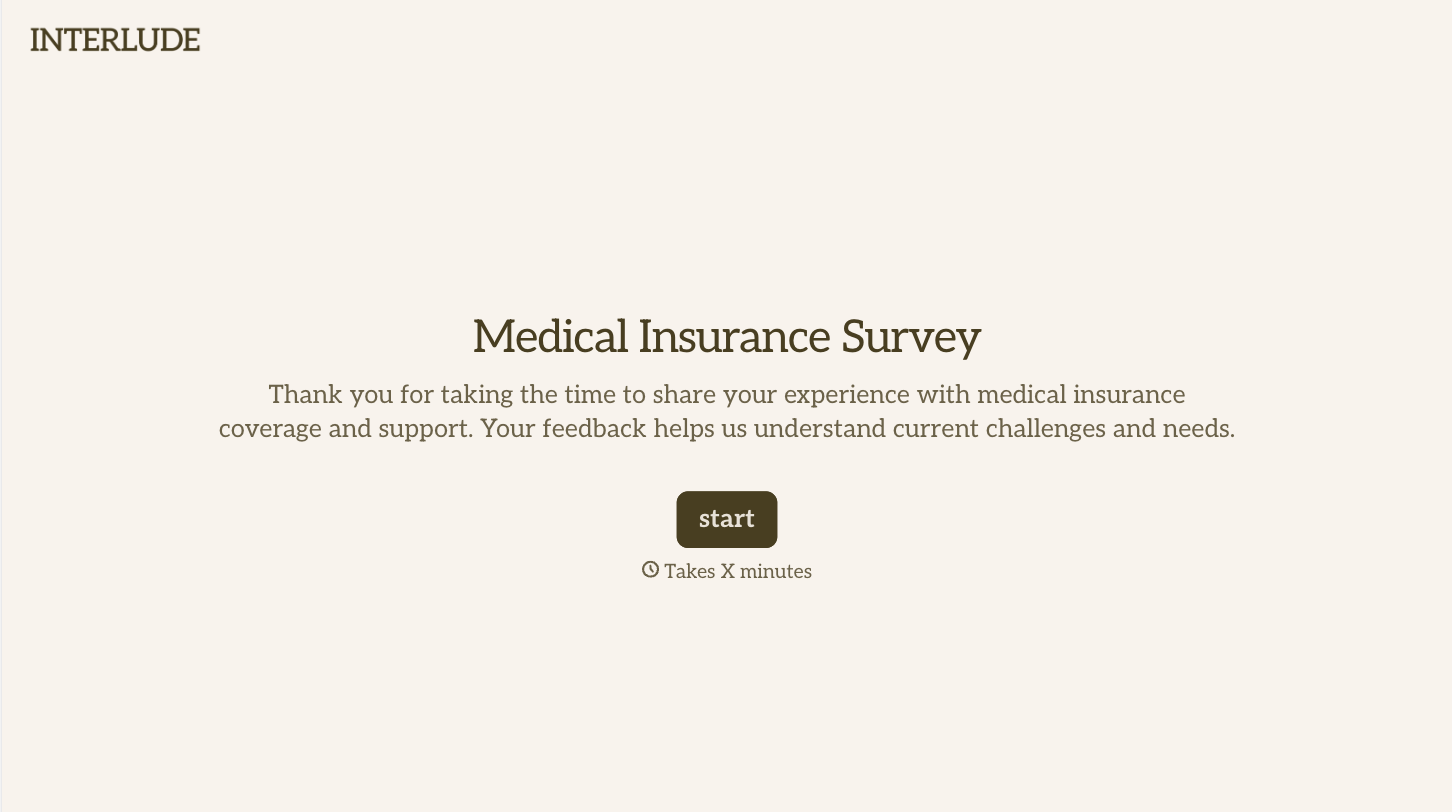
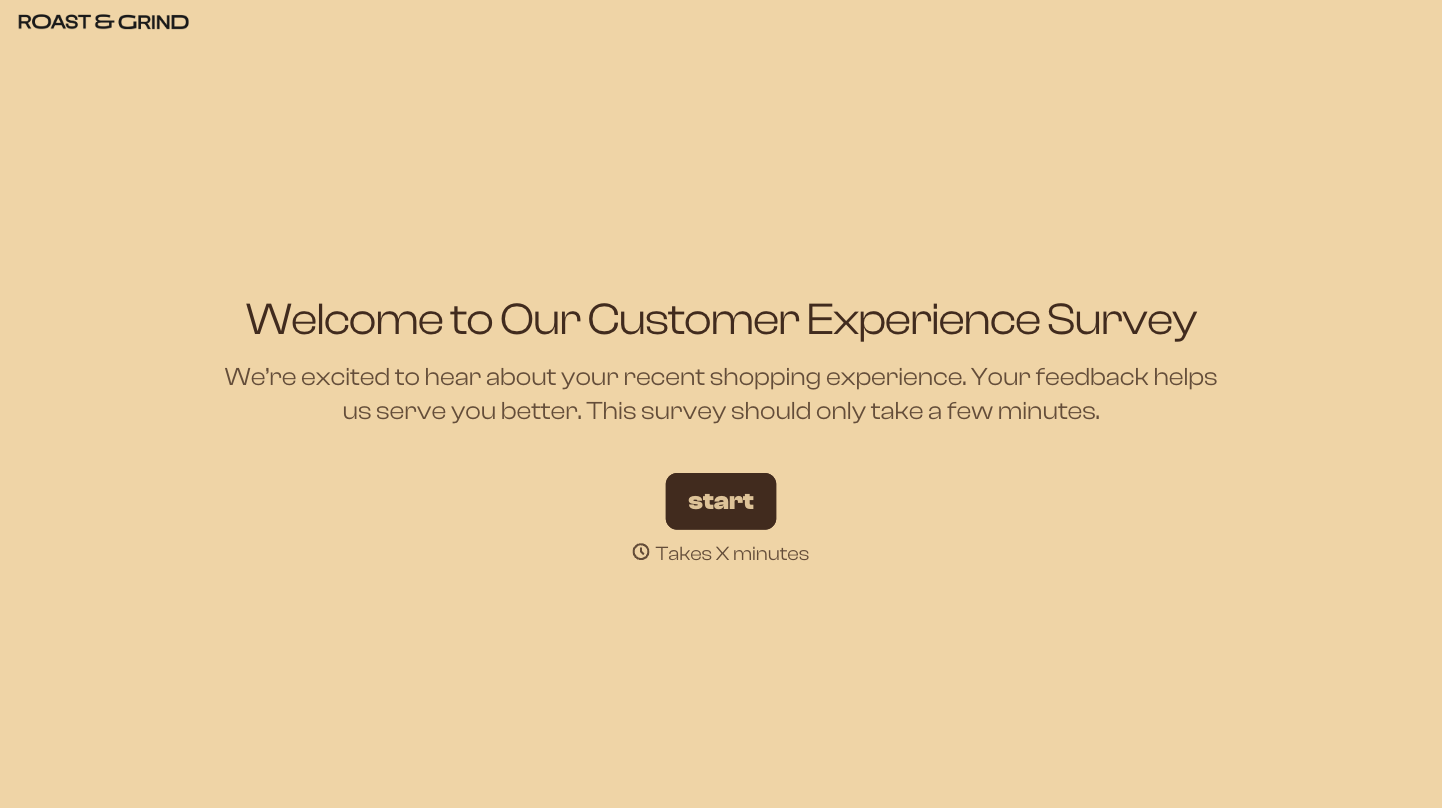
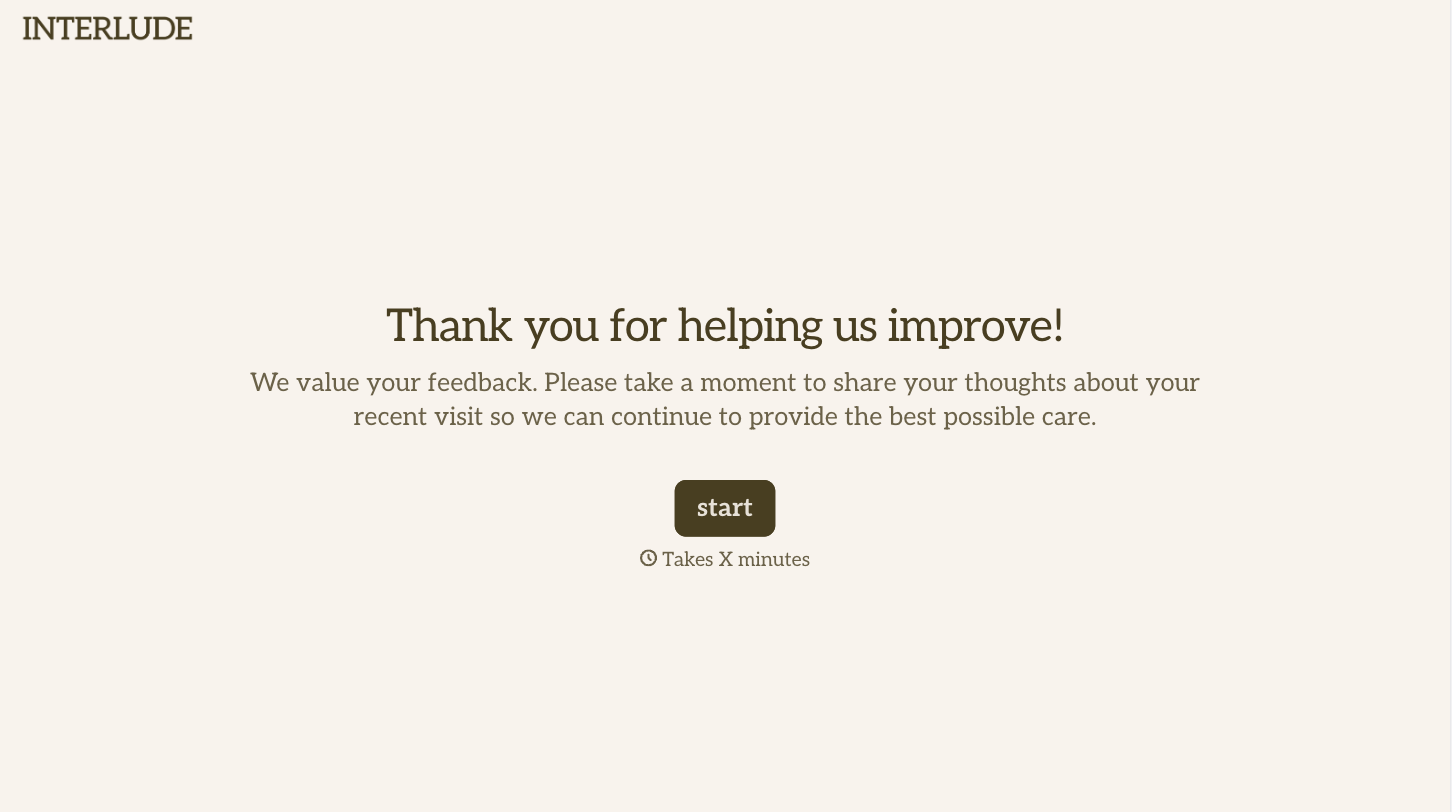
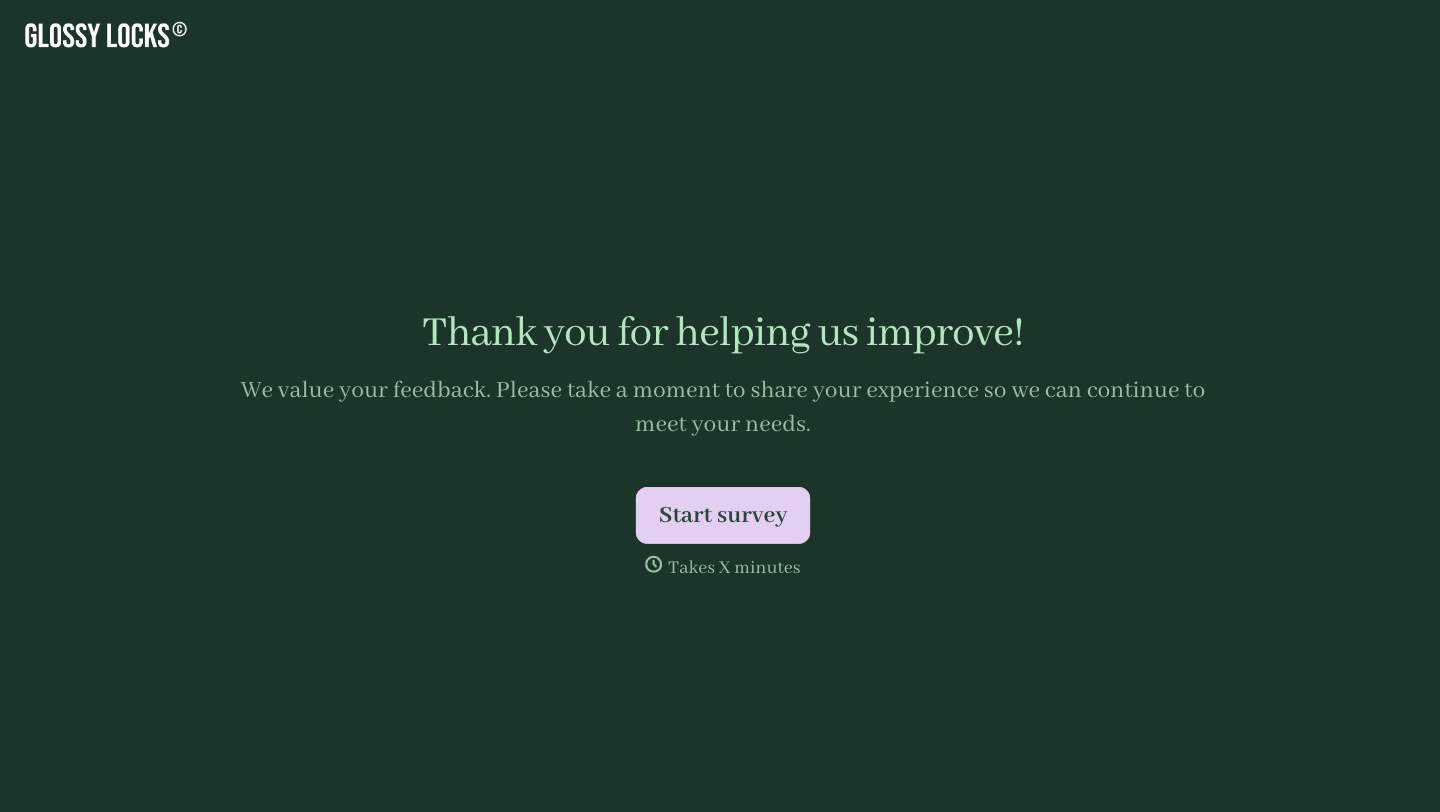
With Typeform, you can customize everything
Change text, colors, and even logos to match the look and feel of your brand. Then embed forms smoothly onto web and email.
Make forms feel effortless to fill out. Pace questions, call people by their name, and adapt the flow based on the data they share.
Stay efficient by connecting forms to your workflow. Typeform integrates with 300+ tools including Slack, Zapier, and HubSpot.