Clinical Trial Consent Form
Informed consent shouldn't be a clipboard a participant skims in the waiting room. Collect what your research team actually needs, eligibility, comprehension, guardian consent, before enrollment starts.



Consent conversations happen wherever there's a free exam room: a coordinator talking through risks while a participant signs a paper form, a guardian initialing pages between other appointments, a comprehension check that's really just "any questions?" By the time the file reaches the study binder, half the details are missing, whether a guardian's signature was actually required, whether the participant could repeat back what the study involves.
Typeform's clinical trial consent form asks for what your study team needs to document consent, participant information, study arm and procedures, and a comprehension check, and uses conditional logic to branch from there. A minor participant can route to guardian consent and a separate assent section; an adult participant can skip straight to their own consent and signature, instead of everyone working through sections that don't apply to them.
Every consent record lands in one place instead of a paper file in a locked cabinet. Connect the form to your study management system through Zapier, and a submission can flag an incomplete section or a missing guardian signature automatically. Ask for ID or eligibility documentation up front, and the coordinator starts the file with everything attached instead of chasing a signature before the next visit.
A clinical trial consent form is an online form research teams use to document that a participant, or their guardian, understood and agreed to the study's procedures, risks, and benefits before enrollment. Instead of a paper form filled out in an exam room, the participant completes it directly, and the study team starts with a complete, timestamped record.
A paper form captures a signature, not whether the participant could explain what they agreed to. A form can build in a comprehension check and route each participant to the sections that actually apply to them, and it creates a digital record instead of a page in a binder that has to be tracked down later.
Ask for what your study team and IRB will need on file:
- Participant name and study identification
- Study arm, procedures, and duration
- Risks, benefits, and confidentiality terms
- A comprehension confirmation
- Signature, date, and guardian or legal representative information if applicable
Not on its own. A submission documents that someone completed the consent process, it doesn't enroll them until the study team verifies eligibility and an investigator confirms consent was properly obtained. Connect the form to your study management system through Zapier, and a submission can flag it for review automatically, but a person still confirms enrollment. Any consent form and process should also be reviewed and approved by your IRB before use.
Yes. Add a file upload question and participants or guardians can attach ID, eligibility documentation, or a separately signed page in the same submission, no extra paperwork required. Pair it with conditional logic so the upload only appears for the participants who actually need it.
Get inspired by relevant templates and categories
3200+ Templates, 300+ Integrations
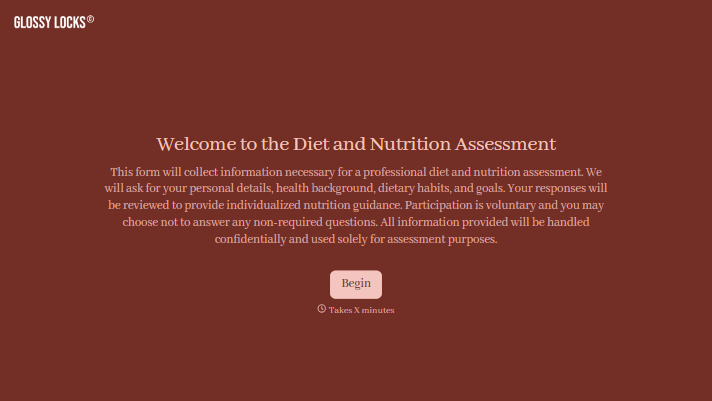
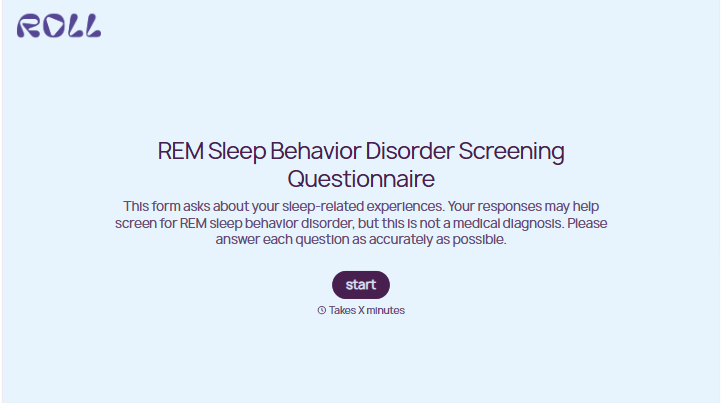
With Typeform, you can customize everything
Change text, colors, and even logos to match the look and feel of your brand. Then embed forms smoothly onto web and email.
Make forms feel effortless to fill out. Pace questions, call people by their name, and adapt the flow based on the data they share.
Stay efficient by connecting forms to your workflow. Typeform integrates with 300+ tools including Slack, Zapier, and HubSpot.