Maintenance Request Form Template
Stop the "I told someone about this 3 weeks ago" complaints. Give tenants and staff a direct line to report issues.


Maintenance requests get lost. They start as a hallway mention to a property manager, a text to a building super, or a sticky note on someone's desk. By the time the request actually reaches the person who can fix the problem, details have been lost, urgency has been misjudged, and the requester is frustrated because nothing seems to happen. It's a communication problem disguised as a maintenance problem.
This maintenance request form template creates a clear, trackable channel for reporting issues. Requesters describe the problem, indicate its location and urgency, upload photos of the issue, and note access instructions. All in under 3 minutes. Conditional logic adjusts follow-up questions based on issue type: a plumbing leak asks different questions than an HVAC malfunction or a security concern.
Every request lands in Google Sheets, your property management system, or a task management tool via Zapier. Maintenance teams receive prioritized notifications through Slack or email. Requesters know their issue has been officially logged, not just mentioned in passing. And when that "I told someone 3 weeks ago" conversation comes up, you have a timestamped record that shows exactly when the request was submitted and when it was addressed.
A maintenance request form is a structured document used to report and track repair, upkeep, or facility issues in residential, commercial, or institutional properties. It captures the nature of the problem, its location, urgency level, and relevant context (photos, access instructions). It replaces informal reporting channels with a documented, trackable process that ensures issues are addressed systematically.
Informal reports. Verbal requests, texts, emails. Have no accountability trail. Nobody can prove a request was made, when it was made, or what exactly was reported. A form creates a timestamped record with specific details, photos, and priority levels. It also routes requests to the right team automatically, instead of relying on information passing through multiple people and losing accuracy at each step.
- Requester's name, unit or location, and contact information
- Category of issue (plumbing, electrical, HVAC, structural, pest, other)
- Specific description of the problem
- Urgency level (emergency, urgent, routine, cosmetic)
- Photos of the issue (file upload)
- Preferred availability for maintenance access
Build priority logic into your workflow, not the form itself. The form captures the requester's stated urgency, but your maintenance team makes the final call. Route emergency requests (water leaks, power outages, security issues) to immediate notification channels like SMS or Slack. Urgent and routine requests can flow to a prioritized task board. Review and triage new requests daily, and set SLA targets for each urgency level.
Set up automated notifications at key stages. When a request is submitted, the requester gets a confirmation email with a reference number. When a maintenance team member is assigned, they get an update. When the work is completed, they get a resolution notice. Zapier can automate this entire sequence by monitoring status changes in your tracking sheet or project management tool. Proactive communication about status dramatically reduces "any update on my request?" follow-ups.
Get inspired by relevant templates and categories
3200+ Templates, 300+ Integrations
Library Book Request Form
A book request scrawled on a sticky note at the front desk doesn't make it into any queue, and it definitely doesn't get anyone a call when the book actually arrives. Collect what your library actually needs, the title, patron information, and how they'd like to be notified, before the note gets buried under the next stack of returns.
View template
Nationality Verification Form
A self-certification buried in a stack of new account paperwork isn't the kind of record a compliance team can rely on for a regulatory filing. Collect nationality, tax residency, and a signed declaration before an account opens, so compliance isn't chasing down a customer's citizenship status after the fact.
View template
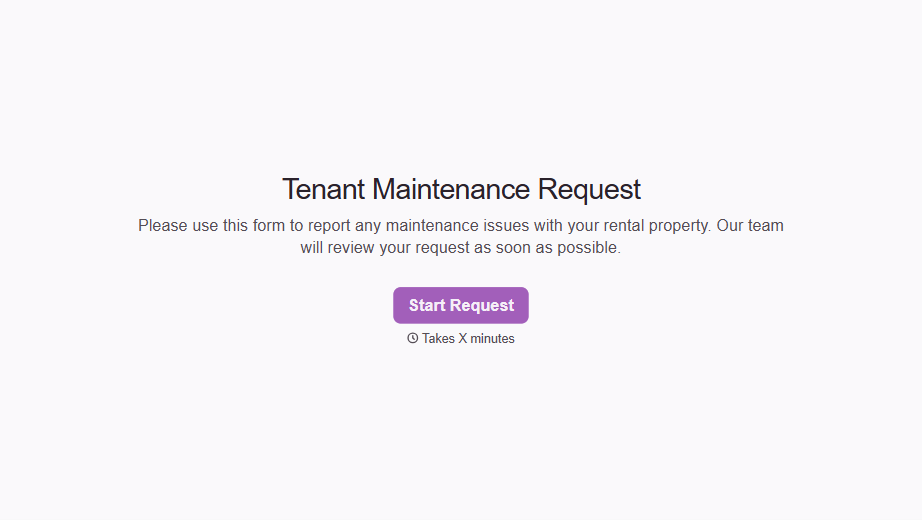
Tenant Repair Request Form
A text message about a leaky faucet sent at 11pm isn't a work order your maintenance team can act on efficiently, especially without a photo or a unit number attached. Collect the property, the issue, and how urgent it is before the request lands in someone's texts, so a repair doesn't wait on a landlord scrolling back through old messages.
View template
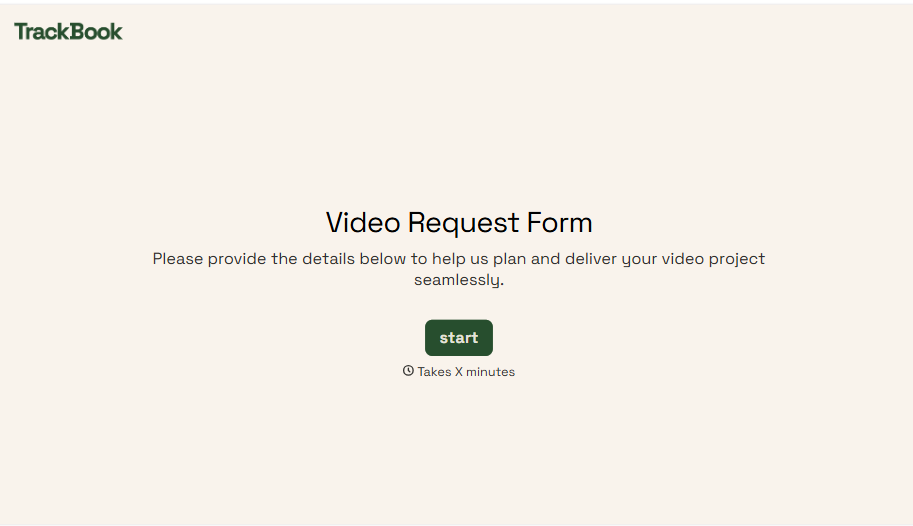
Video Request Form
A Slack message asking for "a quick video for the launch" isn't a creative brief your video team can actually start from. Collect the project purpose, deadline, and deliverable specs before the request lands in a queue, so your team isn't reworking a video built on assumptions the requester never actually stated.
View template
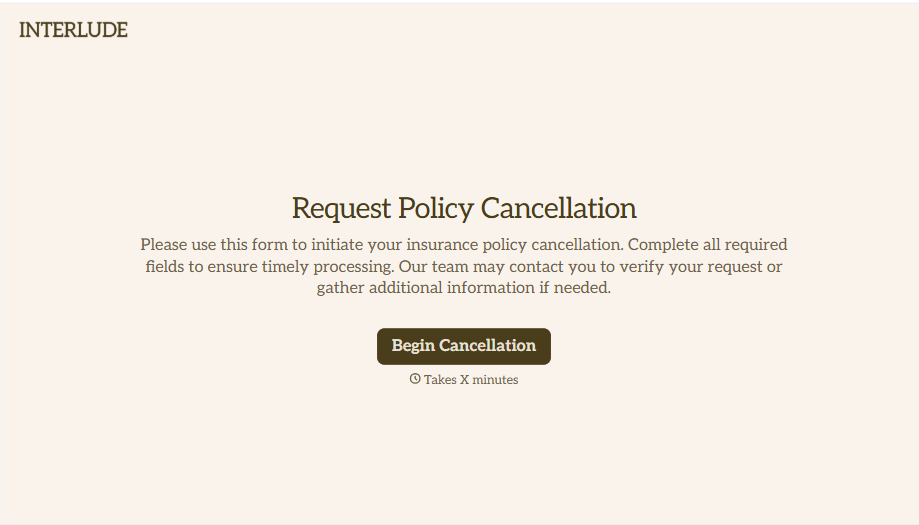
Policy Cancellation Form
A cancellation requested over the phone doesn't leave a clear record of exactly what date the policyholder actually asked for, and that date matters more than it sounds like it should. Collect what your agency actually needs, policy details, identity verification, and the requested effective date, before coverage actually ends.
View template
With Typeform, you can customize everything
Change text, colors, and even logos to match the look and feel of your brand. Then embed forms smoothly onto web and email.
Make forms feel effortless to fill out. Pace questions, call people by their name, and adapt the flow based on the data they share.
Stay efficient by connecting forms to your workflow. Typeform integrates with 300+ tools including Slack, Zapier, and HubSpot.