Opinion Poll Form Template
Find out what people actually think, not what you assume they think.



Decisions made in a vacuum tend to miss the mark. Whether you're gauging public sentiment, testing an idea with your audience, or settling an internal debate, you need a quick, reliable way to collect opinions from a group of people.
This opinion poll form template makes it easy to ask focused questions and collect clear responses. The one-question-at-a-time format prevents respondents from getting distracted or anchoring on earlier answers. Conditional logic can route people to follow-up questions based on their stance — asking supporters why they're in favor and skeptics why they're opposed.
Set up your poll in minutes, share the link on social media, email, or your website, and watch responses roll in. Integrations with Google Sheets or analytics platforms give you real-time access to the data, so you can see trends forming as they happen.
An opinion poll is a survey that collects people's views, preferences, or attitudes on a specific topic or set of topics. Unlike a comprehensive survey, a poll is typically short — often 1 to 5 questions, and designed to capture a snapshot of collective sentiment quickly. Polls are used in media, business, education, community planning, and politics to inform decisions and understand stakeholder perspectives.
Digital polls reach more people, faster, at lower cost than any other method. They eliminate interviewer bias (no one's tone of voice or facial expression is influencing answers), and they collect data in a structured, instantly analyzable format. Plus, people tend to be more honest in digital polls because there's less social pressure than in face-to-face interviews.
- The core opinion question (ideally with a clear scale or set of choices)
- A brief follow-up asking why they hold that opinion
- 1-2 demographic questions relevant to your analysis (age range, location, etc.)
- An optional open-ended field for additional thoughts
- A question about their familiarity or experience with the topic
- A closing question: "Is there anything else you'd like us to know?"
Use neutral language that doesn't lead respondents toward a particular answer. Present options in a balanced way. If you're asking about approval, include equally weighted positive and negative choices. Avoid loaded terms or emotional framing. Test your questions with a small group first and ask if any feel slanted. The phrasing of your question shapes the data you get, so it's worth getting right.
It depends on your goals. For informal internal decisions, 30 to 50 responses might suffice. For results you want to cite publicly or base strategic decisions on, you'll want a statistically significant sample. Typically 100+ for general trends, and 300+ for segment-level analysis. More important than sample size, though, is sample quality. Make sure you're reaching the right people, not just the loudest ones.
Get inspired by relevant templates and categories
3200+ Templates, 300+ Integrations
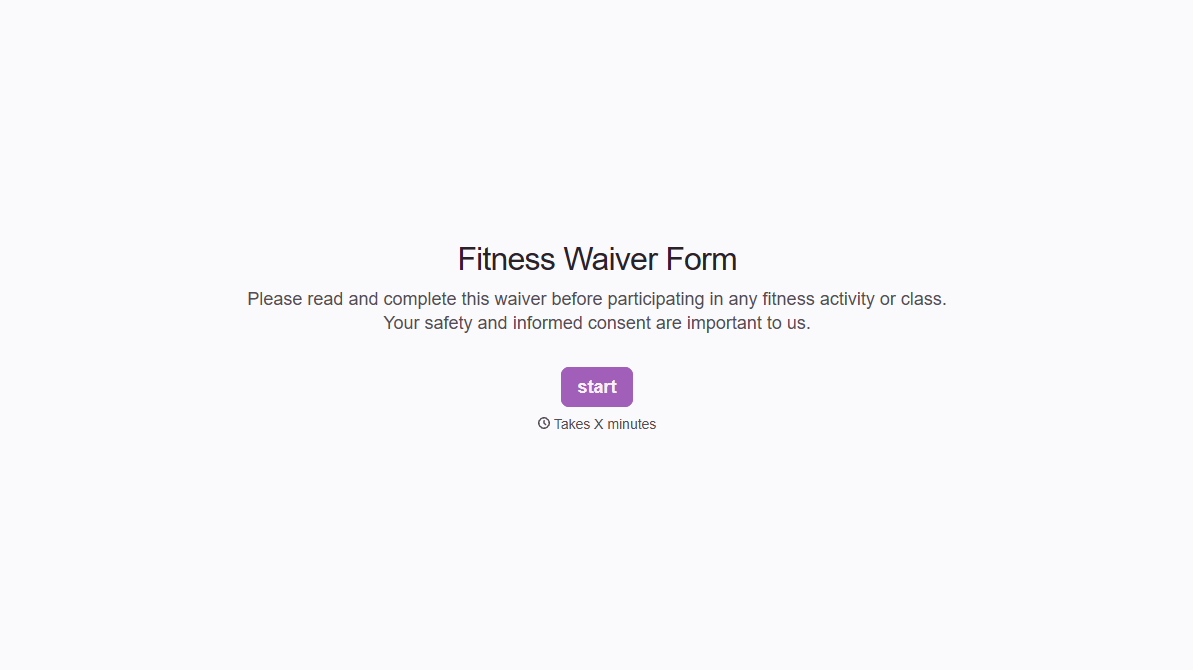
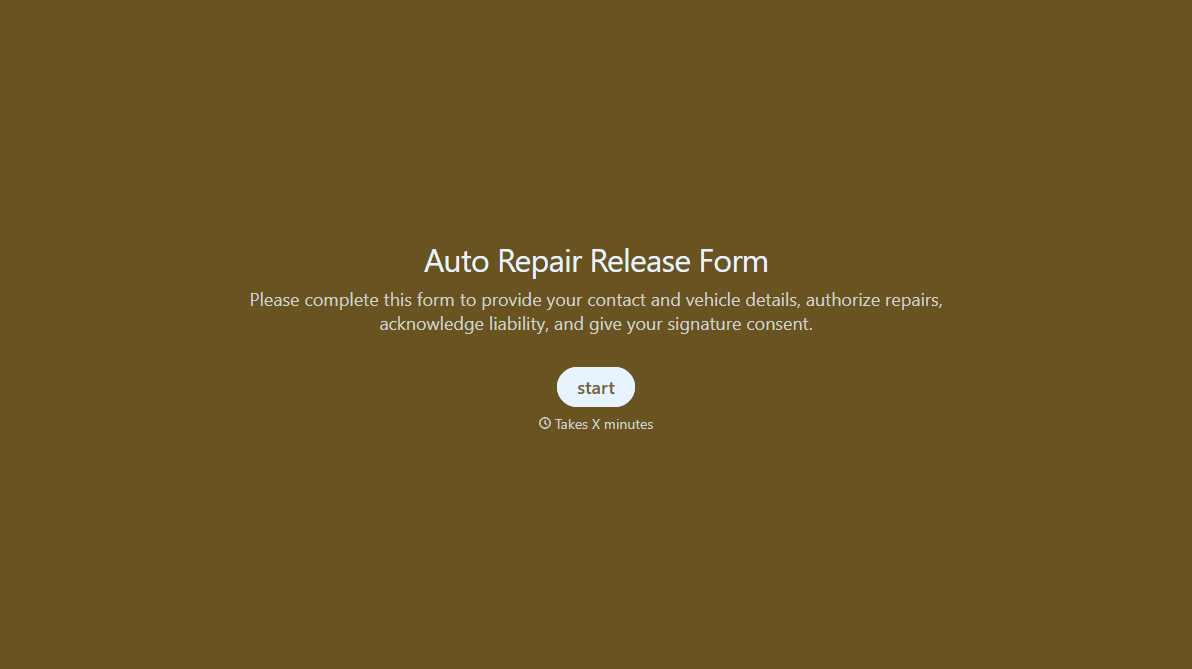
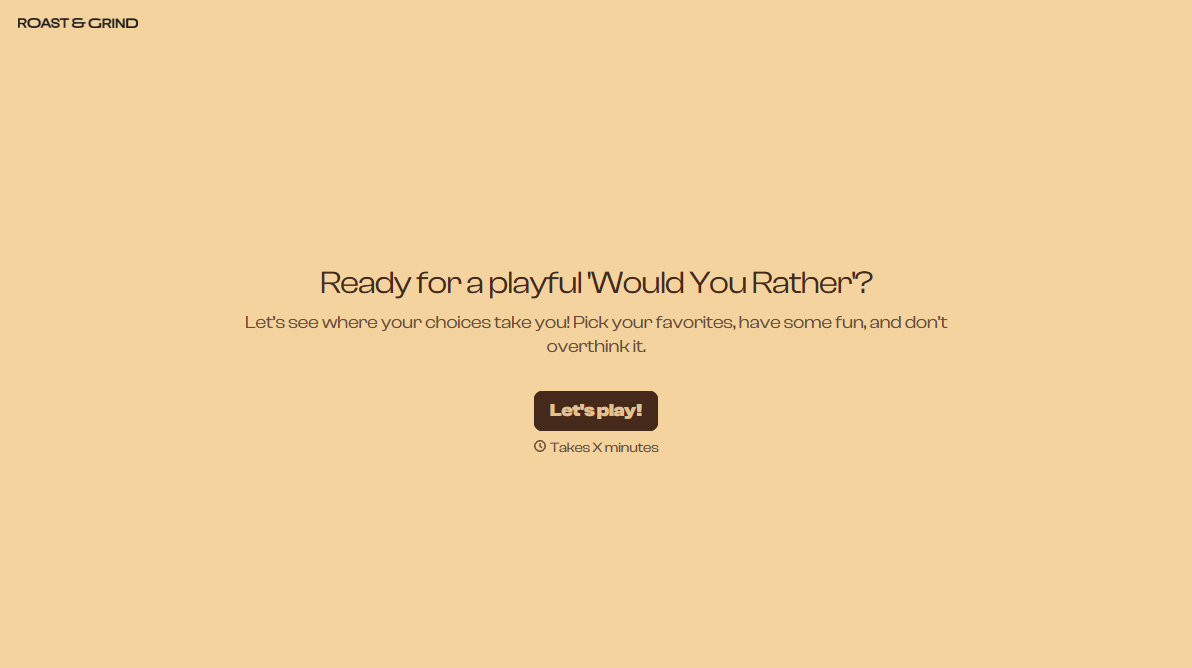
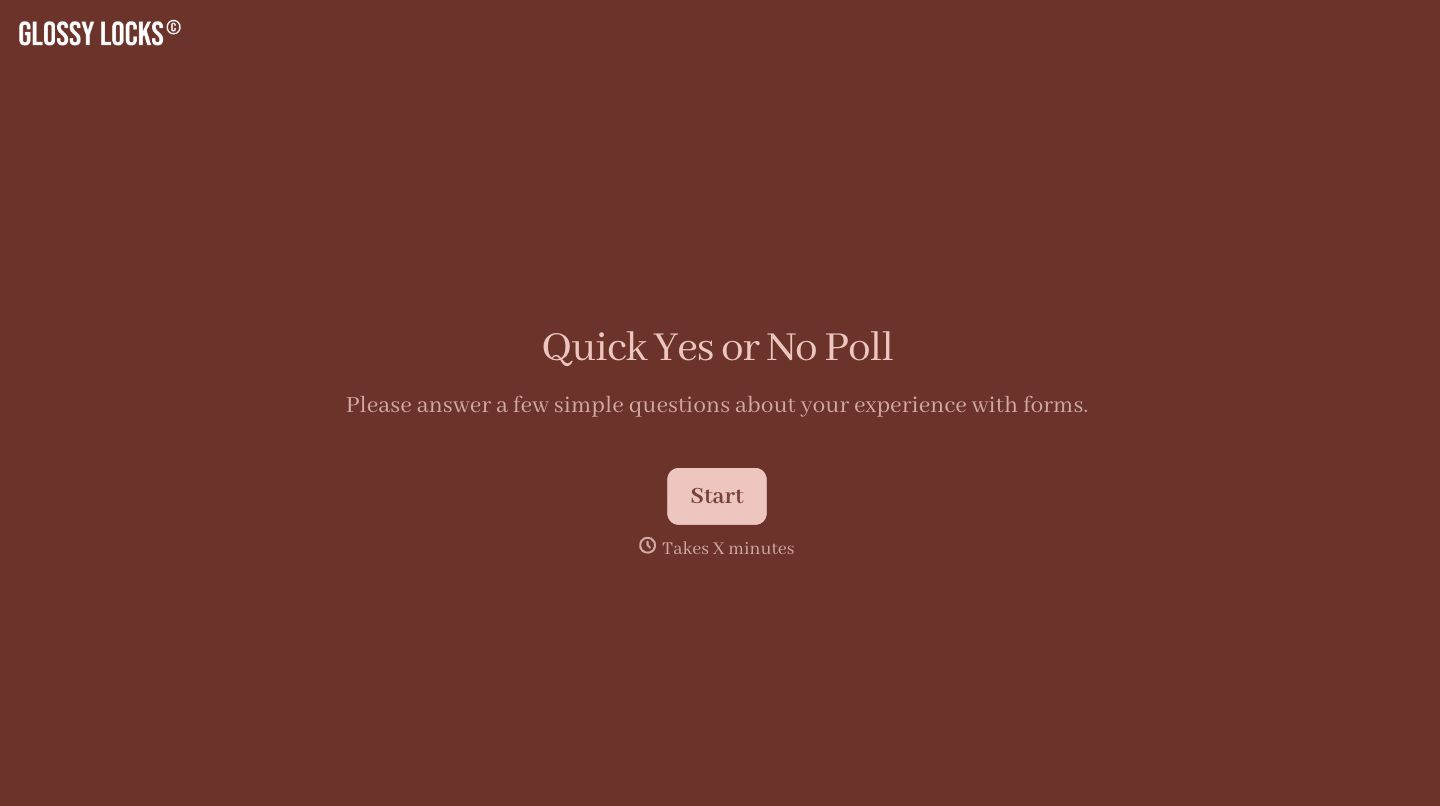

With Typeform, you can customize everything
Change text, colors, and even logos to match the look and feel of your brand. Then embed forms smoothly onto web and email.
Make forms feel effortless to fill out. Pace questions, call people by their name, and adapt the flow based on the data they share.
Stay efficient by connecting forms to your workflow. Typeform integrates with 300+ tools including Slack, Zapier, and HubSpot.