Paternity Leave Form Template
Make paternity leave requests straightforward, because new parents have enough to figure out already.



Becoming a parent changes everything. The last thing a new father needs is to navigate a confusing leave request process while preparing for a baby's arrival (or adjusting to one that just arrived). Yet many organizations still treat paternity leave as an afterthought. A policy buried in the handbook with no clear request mechanism.
This paternity leave form template gives expectant and new fathers a clear, guided way to request their leave. It captures the expected or actual date of birth, requested leave dates, whether the leave will be taken consecutively or intermittently, and any work handover arrangements. All in a clean, one-question-at-a-time format. Conditional logic adjusts based on whether the request is pre-birth planning or post-birth, and whether the leave is paid, unpaid, or a combination.
Set it up with your company's paternity leave policy, connect it to your HR system through integrations, and share it with employees as part of your parental benefits communications. A clear process shows you take the policy, and your employees' lives — seriously.
A paternity leave form is an HR document that employees submit to request time off following the birth, adoption, or foster placement of a child. It captures the expected leave dates, the type of leave being taken (paid, unpaid, or a combination), and any work transition plans. It initiates the approval process and creates an official record for HR and payroll.
A formal process ensures leave is documented, approved, and coordinated. Protecting both the employee's entitlement and the team's operational continuity. It also ensures compliance with applicable family leave laws, which may require employers to grant specific amounts of leave. Without a formal process, requests can fall through the cracks, leading to payroll errors, coverage gaps, or legal exposure.
- Employee name, department, and employee ID
- Expected or actual date of birth, adoption, or placement
- Requested leave start and end dates
- Whether leave will be taken all at once or intermittently
- Current projects and proposed handover plan
- Contact preferences during leave (emergency only, weekly check-in, etc.)
Some employees prefer to split their leave — taking 2 weeks at birth and reserving the rest for later. Use conditional logic so that when "intermittent" is selected, the form surfaces fields for each leave block, including dates and the reason for splitting (medical appointments, phased return, bonding time). This gives HR and managers the clarity they need to plan coverage while accommodating the employee's preferences.
Encourage submission at least 4 to 6 weeks before the expected due date or placement date, when possible. This gives managers time to arrange coverage and HR time to process the request. For unexpected early arrivals or emergency placements, include a note in the form that late submissions are accepted — the form should accommodate reality, not penalize it.
Get inspired by relevant templates and categories
3200+ Templates, 300+ Integrations
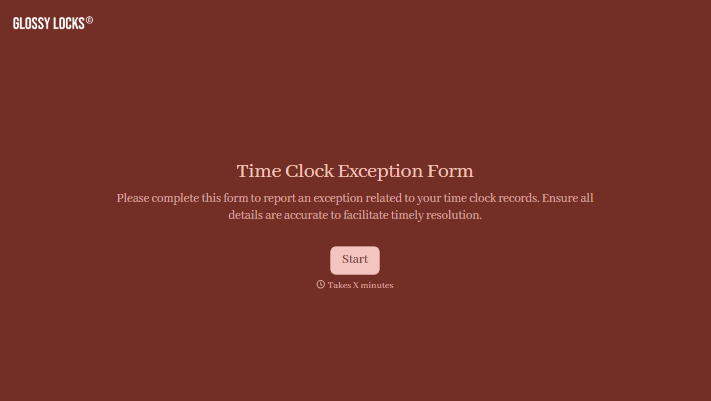
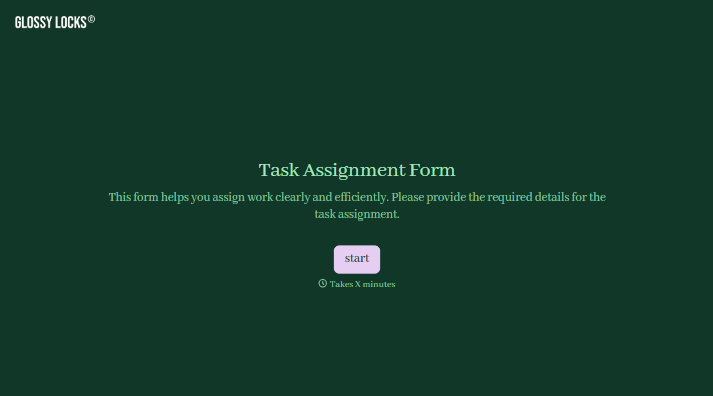
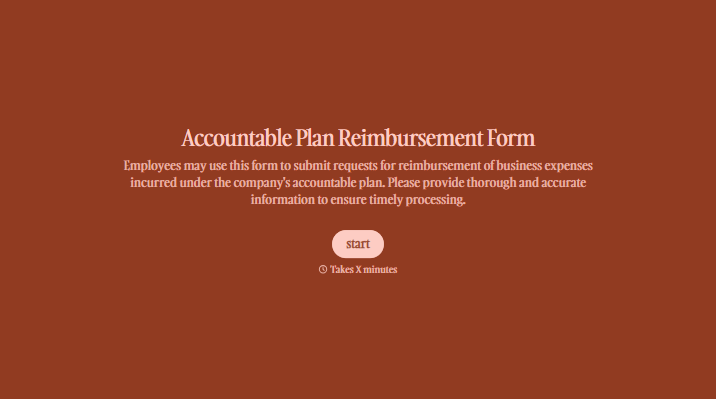
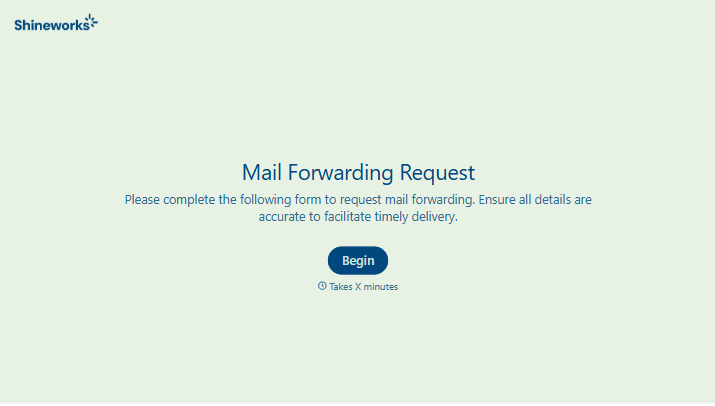
With Typeform, you can customize everything
Change text, colors, and even logos to match the look and feel of your brand. Then embed forms smoothly onto web and email.
Make forms feel effortless to fill out. Pace questions, call people by their name, and adapt the flow based on the data they share.
Stay efficient by connecting forms to your workflow. Typeform integrates with 300+ tools including Slack, Zapier, and HubSpot.