Personal Financial Statement Form Template
Lenders, landlords, and business partners often need a clear picture of an individual's financial position. A structured personal financial statement makes that process straightforward.



A personal financial statement is a snapshot of an individual's assets, liabilities, and net worth at a point in time. Collecting this information informally — via email or unstructured documents — creates inconsistency and makes comparison or verification harder than it needs to be.
This personal financial statement form template presents the required fields in a logical, structured sequence: assets first, then liabilities, with conditional follow-up questions for investment accounts, real estate holdings, or business interests where relevant. The format is clear enough that respondents understand what's being asked without needing to consult an accountant.
Customize for your specific evaluation context — lending, leasing, partnership vetting — connect submissions to your review workflow, and maintain a documented record of each statement.
A personal financial statement form is a structured document that captures an individual's total assets, total liabilities, and resulting net worth. It's used by lenders, landlords, and financial institutions to assess an individual's financial health and ability to meet obligations.
Collecting financial information through unstructured means leads to inconsistent data that's hard to compare or verify. A standardized form ensures every respondent provides the same categories of information in a consistent format, making evaluation faster and more reliable.
A complete personal financial statement covers assets and liabilities comprehensively. Consider including:
- Cash and bank account balances
- Investment account values (stocks, bonds, retirement accounts)
- Real estate owned and current market value
- Business interests and ownership percentage
- Outstanding loans, mortgages, and credit card balances
- Monthly income and monthly obligations
Most lenders and evaluators require a personal financial statement that's no more than 90 days old. Include a statement date field in the form and communicate your currency requirements clearly to respondents. For ongoing relationships, request an updated statement annually.
No. A credit report is a third-party document pulled from credit bureaus that shows credit history and payment behavior. A personal financial statement is a self-reported snapshot of assets and liabilities. Most lenders use both: the financial statement for a broad picture of wealth, and the credit report to verify payment history and outstanding obligations.
Get inspired by relevant templates and categories
3200+ Templates, 300+ Integrations
Bank Reference Form
A reference request faxed to a bank branch and left sitting in a queue for weeks isn't the kind of turnaround a landlord or business can wait on. Collect the applicant's signed authorization and the specific details you need confirmed before the request even reaches the bank, so a decision isn't stuck behind a letter that hasn't come back yet.
View template
Bar Inventory Form
A bottle count eyeballed at the end of a shift and scrawled on a paper sheet doesn't hold up against a pour cost report that says something doesn't add up. Collect what your bar actually needs, item, count, and variance, on a schedule you can actually compare week to week.
View template
Equipment Inventory Form
Equipment that leaves a storage room in someone's arms, with no note about where it went, doesn't show up again until someone needs it and can't find it. Collect what your team actually needs, item details, condition, and who's got it, every time something moves.
View template
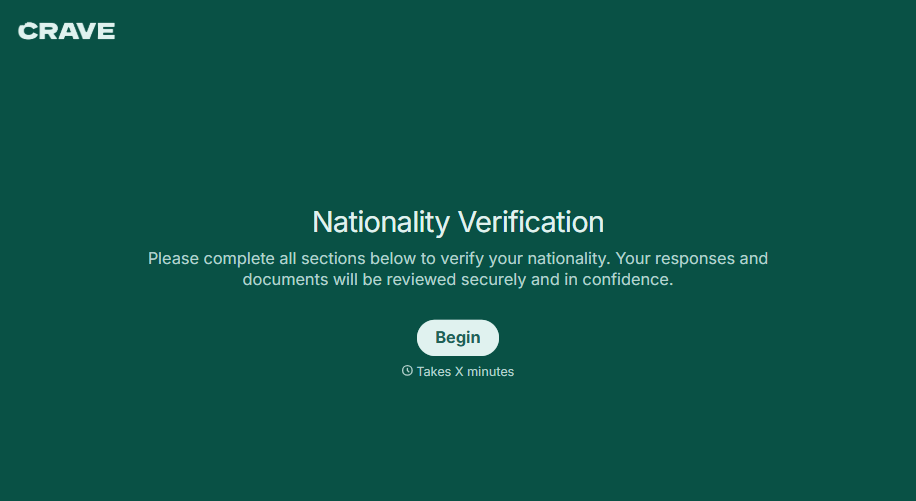
Nationality Verification Form
A self-certification buried in a stack of new account paperwork isn't the kind of record a compliance team can rely on for a regulatory filing. Collect nationality, tax residency, and a signed declaration before an account opens, so compliance isn't chasing down a customer's citizenship status after the fact.
View template
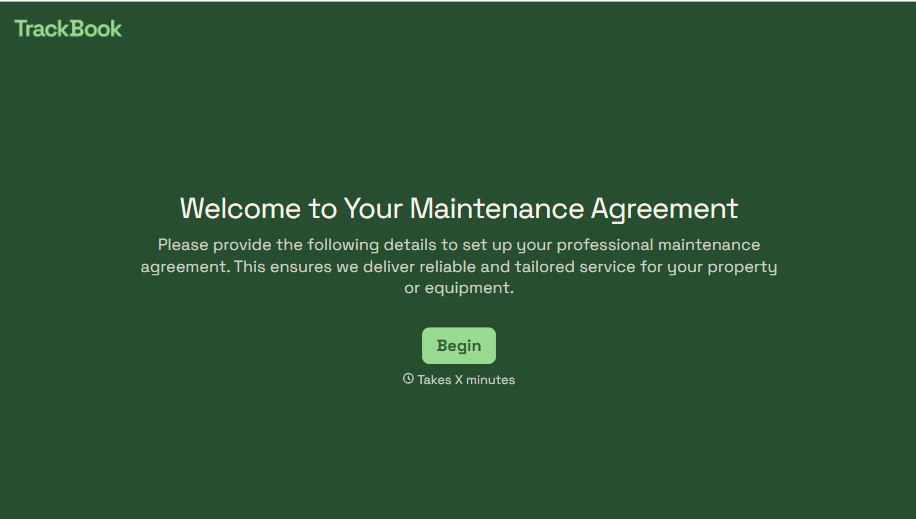
Maintenance Agreement Form
A maintenance plan agreed to over the phone isn't a contract your service team can actually work from, especially when nobody's sure whether the twice-a-year tune-up was part of the deal. Collect the equipment covered, service frequency, and a signed agreement before the first visit, so your team isn't guessing at scope once they're on-site.
View template
With Typeform, you can customize everything
Change text, colors, and even logos to match the look and feel of your brand. Then embed forms smoothly onto web and email.
Make forms feel effortless to fill out. Pace questions, call people by their name, and adapt the flow based on the data they share.
Stay efficient by connecting forms to your workflow. Typeform integrates with 300+ tools including Slack, Zapier, and HubSpot.