Pulse Survey Form Template
Check in with your team regularly and catch issues early, before they become bigger problems.



A lot can change in 3 months, but most organizations still rely on annual engagement surveys as their primary way of understanding how employees are feeling. By the time results are analyzed and acted on, the context has shifted. The team you surveyed in January looks different by June, and the feedback you collected is already stale.
A Typeform pulse survey runs more often and covers less ground, which is the point. A short, focused check-in every 2 to 4 weeks gives you a real-time read on team morale, workload, and emerging concerns. Conditional logic lets you follow up when someone flags a low score, gathering specifics that make the data actionable. Because it's short, completion rates stay high, so the data actually reflects the team rather than just the people who had time to fill it out.
Customize the form with the 5 to 8 questions that matter most to your organization. Run it on a recurring schedule and track trends over time.
A pulse survey is a short, frequent employee check-in that measures a small number of key indicators, typically morale, workload, management support, or overall satisfaction. It's designed to give leaders a regular, real-time view of team health rather than a comprehensive annual snapshot.
Pulse surveys catch problems early. When something shifts in team morale or workload, you'll see it in the next round of results rather than 8 months later. That gives you the opportunity to respond before small issues become significant ones.
Keep it to 5 to 8 questions maximum:
- Overall, how are you feeling about work this week? (scale of 1-10)
- Do you feel like your workload is manageable right now?
- Do you feel supported by your manager?
- Do you have what you need to do your job well?
- Is there anything on your mind that you'd like to flag?
- How motivated do you feel about the work you're doing?
Frequency and length. An annual engagement survey is comprehensive and runs once a year. A pulse survey is short and runs frequently, monthly or even weekly, tracking a small set of indicators over time. Both are useful: pulse surveys spot trends, engagement surveys go deeper.
Keep it short and run it consistently. If employees complete a 3-minute survey every 2 weeks and see that their input leads to real conversations and changes, they'll keep participating. If the survey is long or responses feel ignored, participation drops quickly.
Get inspired by relevant templates and categories
3200+ Templates, 300+ Integrations
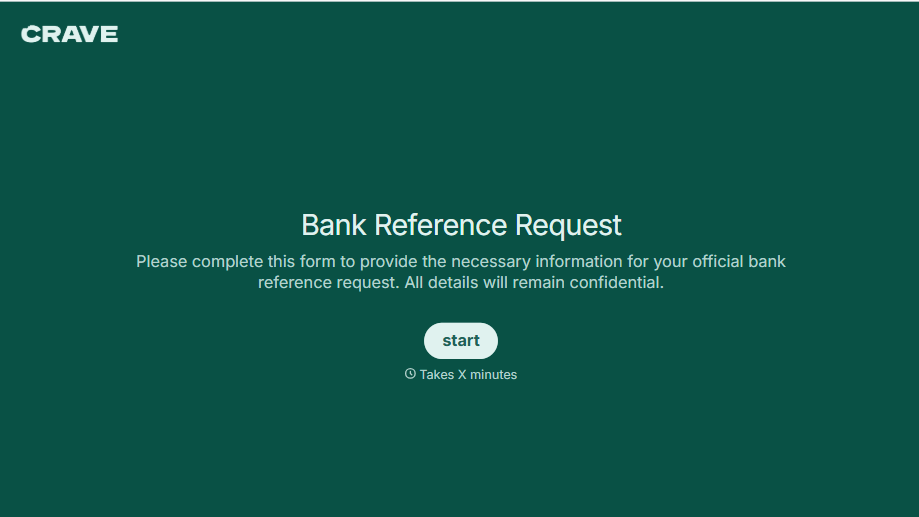
Bank Reference Form
A reference request faxed to a bank branch and left sitting in a queue for weeks isn't the kind of turnaround a landlord or business can wait on. Collect the applicant's signed authorization and the specific details you need confirmed before the request even reaches the bank, so a decision isn't stuck behind a letter that hasn't come back yet.
View template
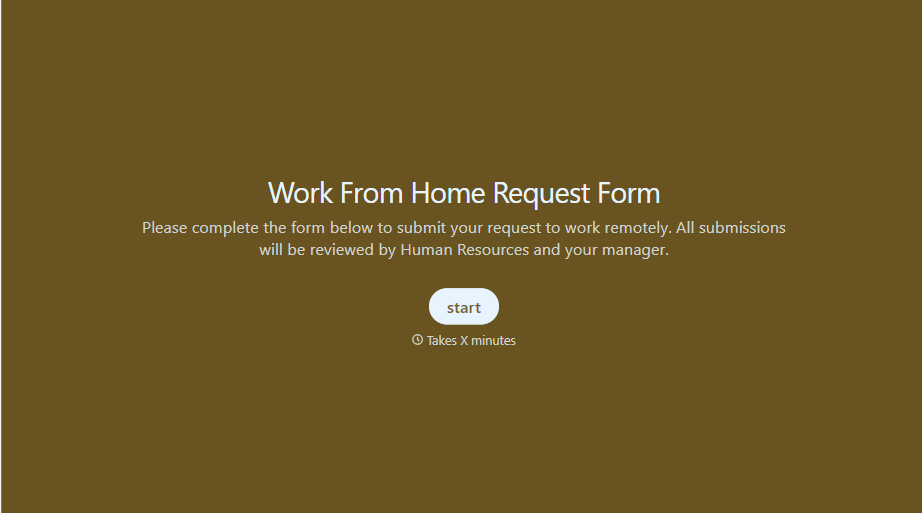
Work From Home Request Form
A Slack message asking to work from home on Thursday isn't a request anyone can track, especially once the same employee has asked five different ways over a month. Collect the request type, dates or schedule, and manager approval in one place, so HR isn't reconstructing who's working where from a scattered inbox.
View template
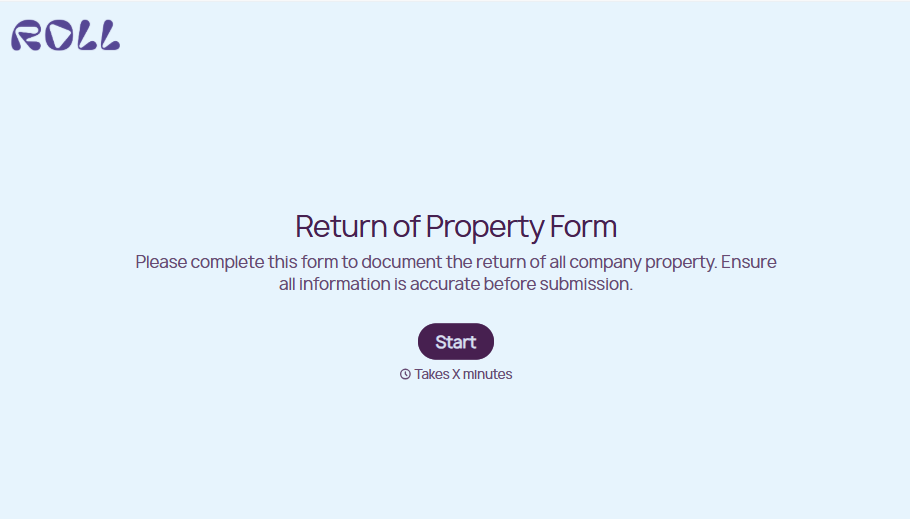
Return of Property Form
A property checklist stapled to an exit interview packet isn't a record anyone can rely on when a laptop turns up missing three weeks later. Collect itemized equipment details, condition at return, and a signed acknowledgment before an employee's last day, so IT isn't chasing down a laptop that already walked out the door.
View template
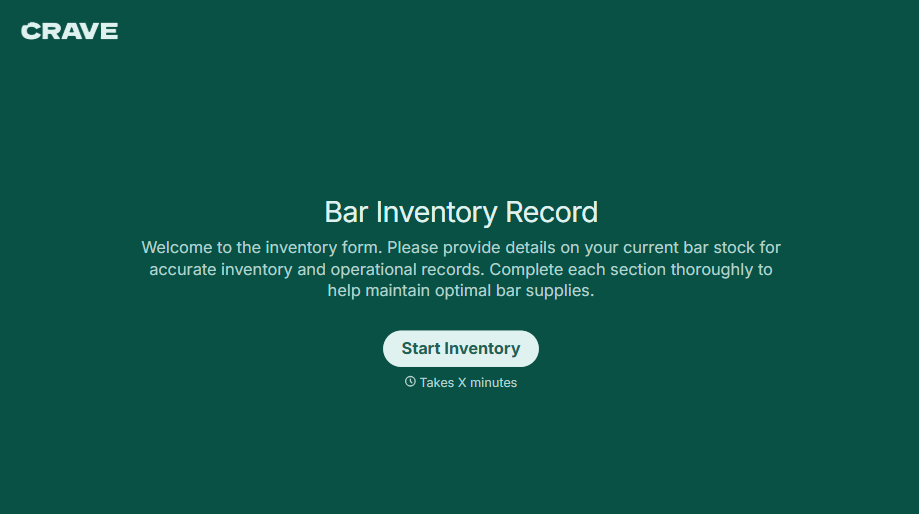
Bar Inventory Form
A bottle count eyeballed at the end of a shift and scrawled on a paper sheet doesn't hold up against a pour cost report that says something doesn't add up. Collect what your bar actually needs, item, count, and variance, on a schedule you can actually compare week to week.
View template
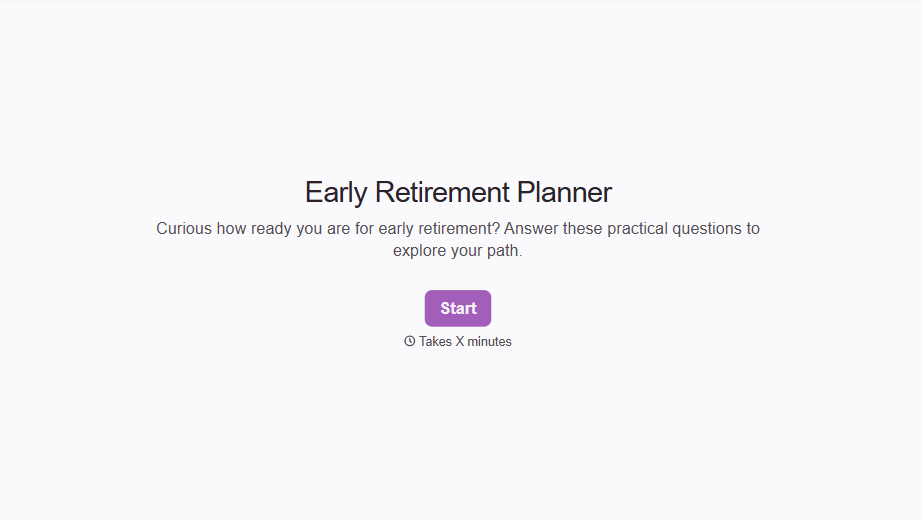
Early Retirement Form
A retirement mentioned to a manager in conversation doesn't give HR anything to actually process, and if there's an incentive deadline attached, the date that conversation happened can matter more than anyone realized at the time. Collect what your HR team actually needs, employee information, requested date, and benefit elections, before a window closes.
View template
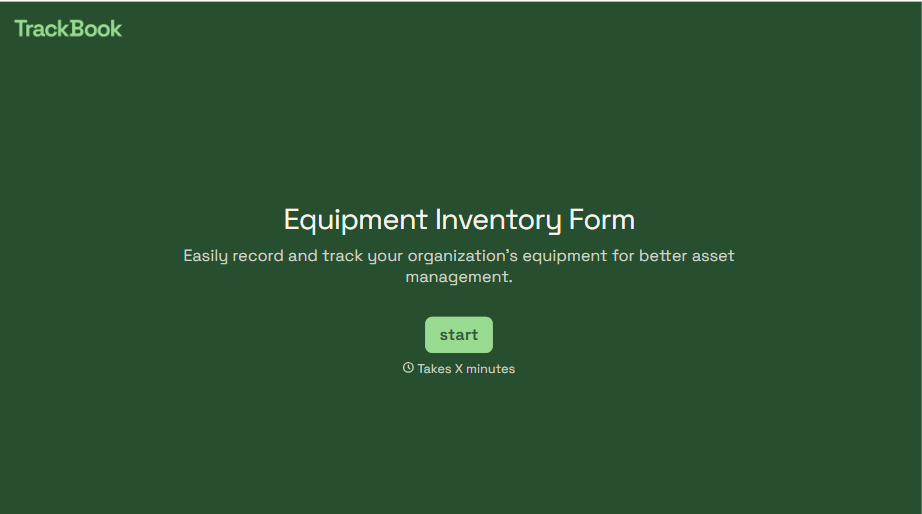
Equipment Inventory Form
Equipment that leaves a storage room in someone's arms, with no note about where it went, doesn't show up again until someone needs it and can't find it. Collect what your team actually needs, item details, condition, and who's got it, every time something moves.
View template
With Typeform, you can customize everything
Change text, colors, and even logos to match the look and feel of your brand. Then embed forms smoothly onto web and email.
Make forms feel effortless to fill out. Pace questions, call people by their name, and adapt the flow based on the data they share.
Stay efficient by connecting forms to your workflow. Typeform integrates with 300+ tools including Slack, Zapier, and HubSpot.