Company Culture Survey
Culture problems surface as quiet turnover long before anyone names them out loud. Collect input on values alignment, leadership trust, inclusion, and everyday work experience.



Most companies measure company culture once a year, then wonder why the results feel stale. By the time the annual survey lands, the issues employees flagged have already reshaped morale. Managers end up guessing at what their teams actually need and working off of those assumptions. Typeform's company culture survey template gives People teams a consistent way to hear from employees before problems compound.
The survey covers the dimensions that shape how work feels: values alignment, leadership trust, inclusion, growth opportunities, and day-to-day workload. Typeform asks employees one question at a time, so honest reflection replaces survey fatigue. Conditional logic adapts the survey based on an employee's responses. Someone who flags low trust sees different follow-ups than someone raising workload concerns, keeping questions relevant to each person.
Customize the questions to match your values, your team size, and the issues you most need to understand. Share it by email, embed it on your intranet, or drop the link into Slack. Every response flows into Google Sheets or Airtable via Zapier, so patterns surface without manual tallying. Your next culture conversation starts with real signals from employees, not a hunch about what might be wrong.
A company culture survey measures how employees experience the values, relationships, and everyday norms of their workplace. It captures sentiment across dimensions like leadership trust, inclusion, growth, and workload balance. People teams and leadership that run company culture surveys consistently catch culture friction early and build a workplace people actually want to stay in.
Culture problems that go unmeasured don't disappear on their own. They spread through disengagement, reduced collaboration, and eventually departures that leadership attributes to personal circumstances or career moves, rather than poor work culture. Turnover data often lags behind the real damage. By the time it shows a culture problem, performance, retention, and recruitment have already taken a hit. A company culture survey surfaces those distress signals early, while there's still time to turn things around.
Cover what shapes the employee experience:
- Whether employees understand and believe in the company's values
- How much they trust leadership and feel informed by them
- Whether the workplace feels inclusive and psychologically safe
- Access to growth, development, and career progression
- Workload, work-life balance, and everyday support
Turn on anonymous responses so employees can speak freely without worrying about attribution. Typeform lets you collect submissions without capturing names or email addresses, which lifts response rates on sensitive questions about leadership. Honest answers depend on trust, so tell your team upfront that their input stays anonymous.
Run a full culture survey once or twice a year, then use shorter pulse checks between them to track movement. Annual surveys reveal deep patterns, while quarterly pulses catch shifts before they harden into problems. Send the same survey each cycle so you can compare scores over time and prove whether your changes worked.
Get inspired by relevant templates and categories
3200+ Templates, 300+ Integrations
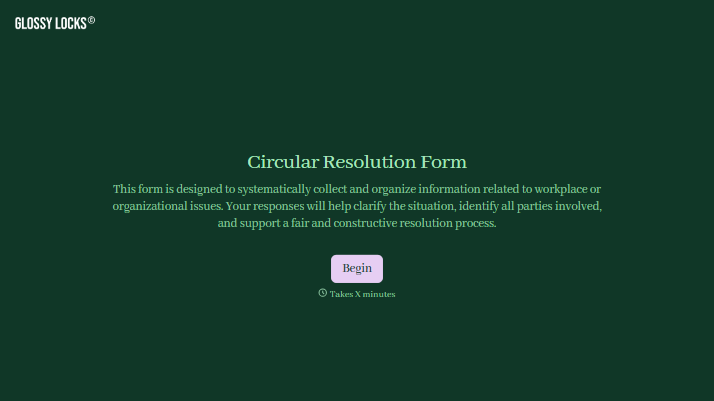
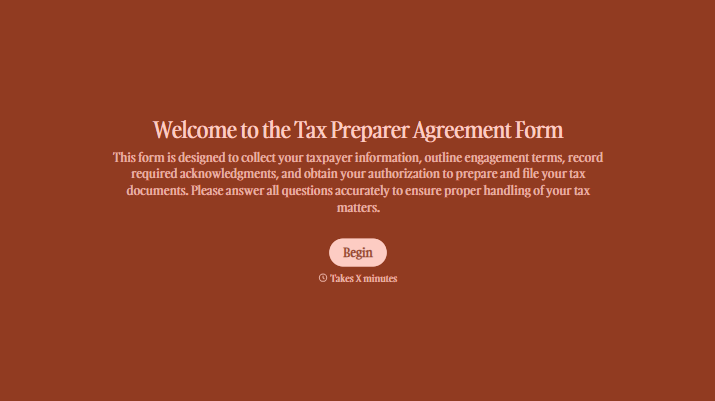
With Typeform, you can customize everything
Change text, colors, and even logos to match the look and feel of your brand. Then embed forms smoothly onto web and email.
Make forms feel effortless to fill out. Pace questions, call people by their name, and adapt the flow based on the data they share.
Stay efficient by connecting forms to your workflow. Typeform integrates with 300+ tools including Slack, Zapier, and HubSpot.