Student of concern form
Make it easy for faculty, staff, and peers to flag students who need support, before a small concern becomes a crisis.



A struggling student rarely announces it. The signs show up in missed classes, a distressing email, or a sudden drop in performance, and anyone on campus might spot them first. Without a clear reporting process, those observations rarely reach the people who can help. Typeform’s student of concern form template gives institutions a dependable way to turn early warning signals into documented referrals.
The form captures student identification, the reporter's role, the nature of the concern, specific observed behaviors, and any relevant context. Questions appear one at a time, so reporters can describe the situation clearly without feeling rushed. Conditional logic adapts based on the type of concern reported. Someone flagging academic distress sees different follow-up fields than someone reporting a safety concern, keeping each submission actionable for the team reviewing it.
Customize the concern categories and routing to match your institution's care team structure. Share it via email, post it on your faculty intranet, or embed it in your student affairs portal. Submissions route automatically to your case management inbox or Google Sheets via Zapier, so every concern reaches the right team without delay. Act early enough to make a difference, so struggling students get the help they need before things escalate.
A student of concern form is a structured report that faculty, staff, or peers use to flag students who may be struggling academically, emotionally, or behaviorally. It captures identifying details, the reporter's role, the nature of the concern, specific observed behaviors, and any relevant context. It functions as the first step in getting a struggling student the right support, turning an informal observation into a documented referral.
Most students don’t ask for help. A concern form gives the people around them a way to act first, and a consistent reporting structure ensures the care team receives everything they need to respond—not just a name and a vague description. Use it to reduce response time, build a documented record for case management, and show students that the institution takes their wellbeing seriously.
Gather everything the care team needs to respond quickly:
- Student name, ID, and contact information
- Reporter's name, role, and department
- Type of concern (e.g., academic, behavioral, emotional, safety)
- Description of specific observed behaviors or incidents
- Date(s) and location of the observed concern
- Prior interactions or attempts to help
- Urgency level or recommended follow-up action
Anyone who observes a student in distress can submit a report—faculty, staff, advisors, resident assistants, or peers. While academic concerns like missed deadlines or failing grades typically come from instructors, behavioral or safety concerns can come from anyone in the campus community. Encourage a low barrier to reporting: it is always better to flag a concern that turns out to be minor, than to miss one that isn't.
Route submissions directly to a designated care team inbox or case management platform via Zapier, so nothing sits in a general inbox unnoticed. Assign a response window, such as 24 hours for general concerns or immediate escalation for safety flags. Communicate that standard to everyone using the form. Consistent follow-through builds trust in the reporting process and increases the likelihood that faculty and staff submit concerns early, before they escalate.
Get inspired by relevant templates and categories
3200+ Templates, 300+ Integrations
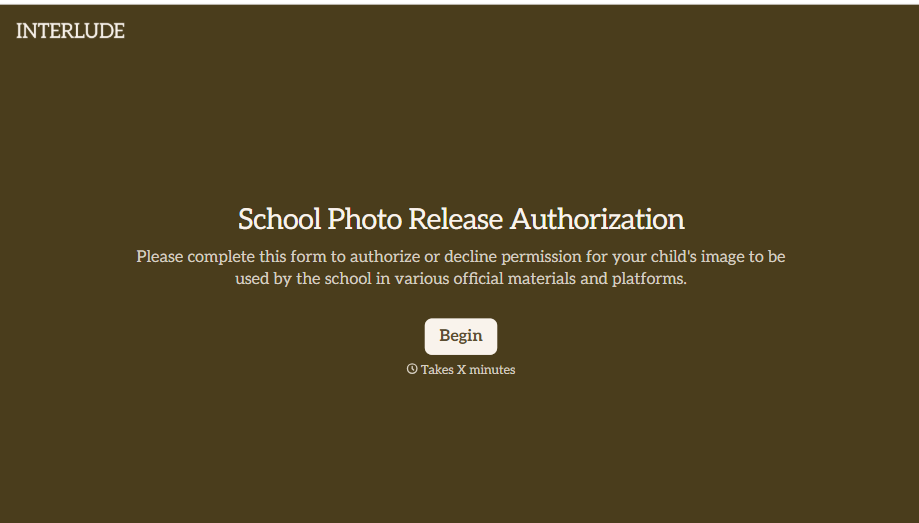
School Photo Release Form
A photo consent checkbox buried on page 12 of an enrollment packet doesn't tell a teacher who's actually opted out before they post a class photo. Collect what your school actually needs, guardian consent, and exactly where a photo can be used, before the camera comes out.
View template
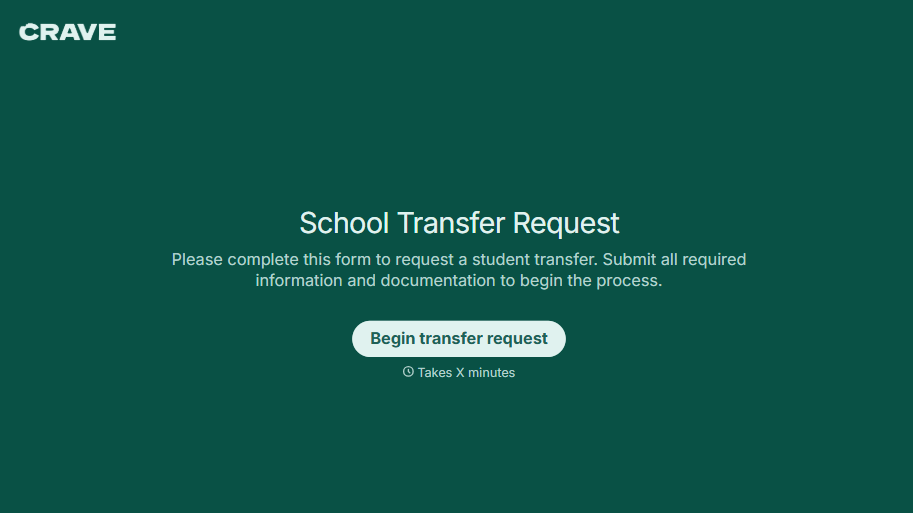
School Transfer Request Form
A transfer request dropped off at the district office isn't the kind of paperwork that gets processed before the semester it's meant for already started. Collect the student's information, reason for transfer, and supporting documentation upfront, so a request doesn't stall while the district follows up for a missing form.
View template
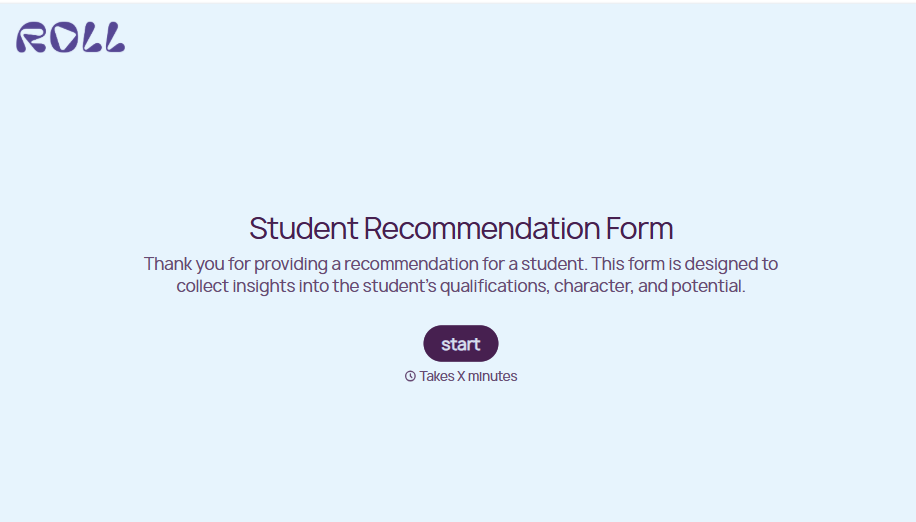
Student Recommendation Form
An email asking "can you write me a letter of recommendation" with no deadline attached isn't enough for a teacher to actually sit down and write one. Collect the program details, deadline, and what the student wants highlighted before the request lands in an inbox, so a letter doesn't get written in a rush the night it's due.
View template
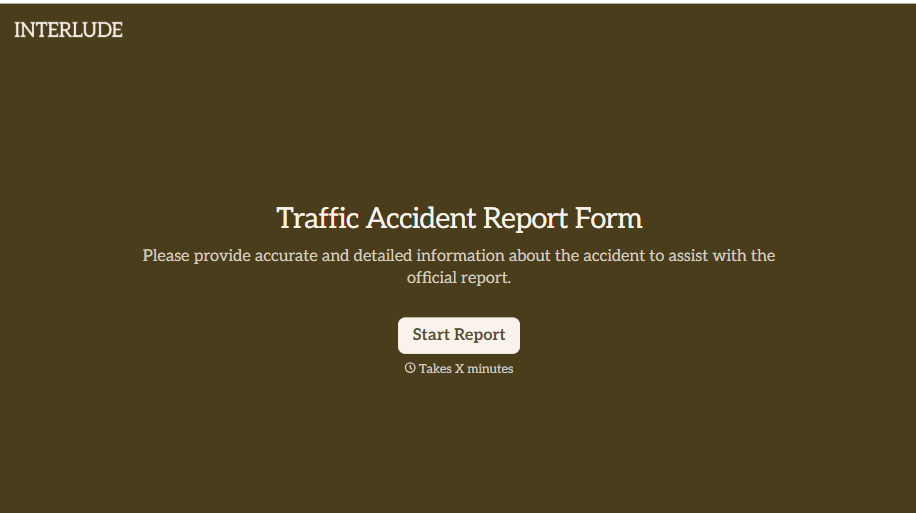
Traffic Accident Report Form
A phone call to a supervisor from the side of the road isn't the kind of record an insurance claim can be built on. Collect the accident details, the other party's information, and photos of the scene before memory starts to fade, so a claim doesn't sit unfiled for days waiting on someone to write it up.
View template
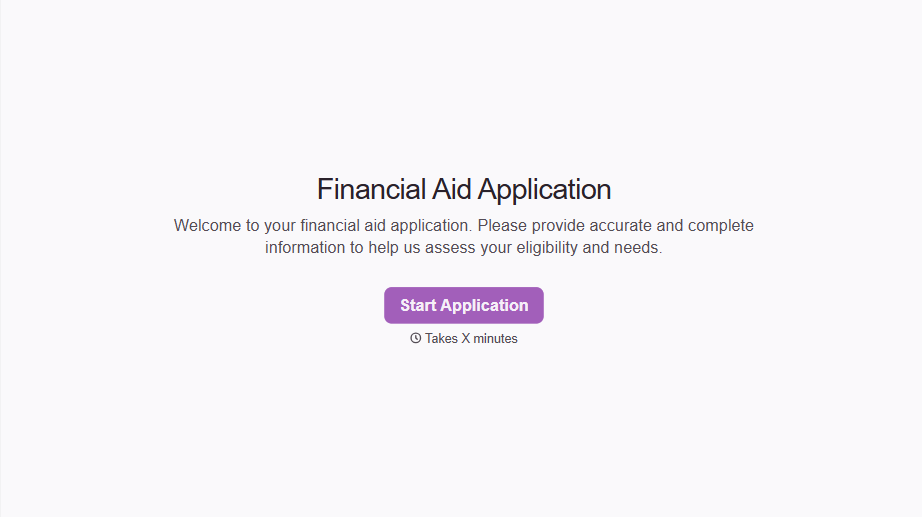
Financial Aid Application Form
A request for help with tuition mentioned to the front office in passing doesn't give your financial aid team anything to actually evaluate. Collect what your school actually needs, household information, income documentation, and need, before the deadline passes.
View template

Girl Scout Product Permission Form
A permission slip signed at a troop meeting while five other things are happening, snack time, a badge ceremony, a parent already halfway out the door, isn't informed consent, it's a signature. Get the money-handling responsibility, the supervision rules, and the online sales guidelines actually read and agreed to before a single box leaves the garage.
View template
With Typeform, you can customize everything
Change text, colors, and even logos to match the look and feel of your brand. Then embed forms smoothly onto web and email.
Make forms feel effortless to fill out. Pace questions, call people by their name, and adapt the flow based on the data they share.
Stay efficient by connecting forms to your workflow. Typeform integrates with 300+ tools including Slack, Zapier, and HubSpot.