Distance Learning Feedback Survey
Act on student feedback while it still matters, not after the term ends. Collect input on course content, pacing, platform experience, and instructor delivery.



In a physical classroom, an instructor sees when students are confused, disengaged, or falling behind. Online, those cues are hard to pick up on. Institutions that wait for end-of-term evaluations receive student feedback too late to be able to help the students who need it. Typeform's distance learning feedback survey gives instructors a structured, repeatable way to collect student feedback throughout the term.
The form captures content clarity and pacing, instructor delivery, platform usability, engagement with course materials, and overall satisfaction. Questions appear one at a time, so students consider each distance learning course aspect carefully, rather than scanning a long form. Conditional logic routes the form based on how students rate their overall experience. Students who rate satisfaction low identify the biggest barriers to their learning, while satisfied students name what's working best.
Customize the course modules, content format options, platform name, and feedback frequency to match your specific program and academic calendar. Share it at the start, midpoint, and end of term so feedback reflects each specific course phase. Responses feed into Google Sheets via Zapier, so instructors track student satisfaction across the term and intervene before students withdraw. Every course improvement you make next term starts with what current students actually tell you about this one.
A distance learning feedback survey tracks the student experience from start to finish. It rates course content, pacing, instructor delivery, and platform usability, then captures overall satisfaction, technical difficulty, and open-ended feedback. Instructors who run distance learning feedback surveys at defined intervals make adjustments while the course is still running, not after it ends.
Online students withdraw at higher rates than in-person students, and the warning signs are nearly invisible to the instructor. By the time an instructor notices something is wrong, the student has often already withdrawn. A structured feedback survey at regular intervals makes those signals visible while there's still time to intervene.
Cover both the learning experience and technical setup:
- How clear the course content is and whether the pacing feels right
- How well the instructor communicates and responds to questions
- How easy the platform is to use and any technical issues
- Whether discussions, assignments, and peer interaction keep students engaged
- Overall satisfaction and what would most improve the experience
Send it three times per program: a short check-in after week one, a longer survey at the midpoint, and a full survey in the final week. The week-one check should focus on whether students can access course materials, understand the format, and follow the pacing. The midpoint survey is the most actionable, since it arrives with enough time to adjust delivery, pacing, or support resources. The final-week survey should capture overall satisfaction, instructor effectiveness, and what would improve the program for future cohorts.
Make identifying fields optional and state at the start of the distance learning feedback survey that responses are anonymous and won't affect grades or standing. Online students are reluctant to criticize the course because instructors control their grades, with no in-person cues to read. Students respond more, and more honestly, when they see their past feedback actually changed the course.
Get inspired by relevant templates and categories
3200+ Templates, 300+ Integrations
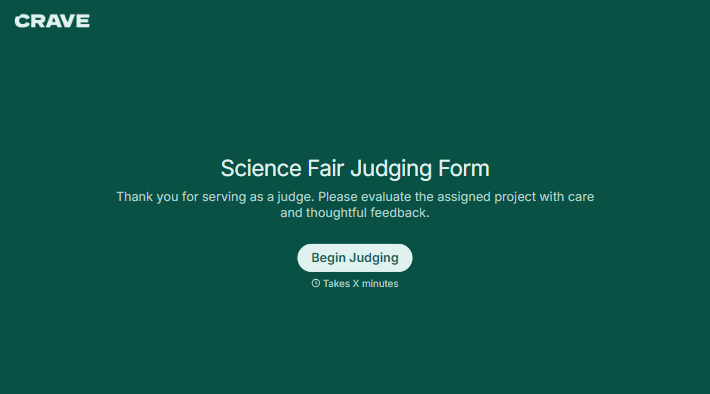
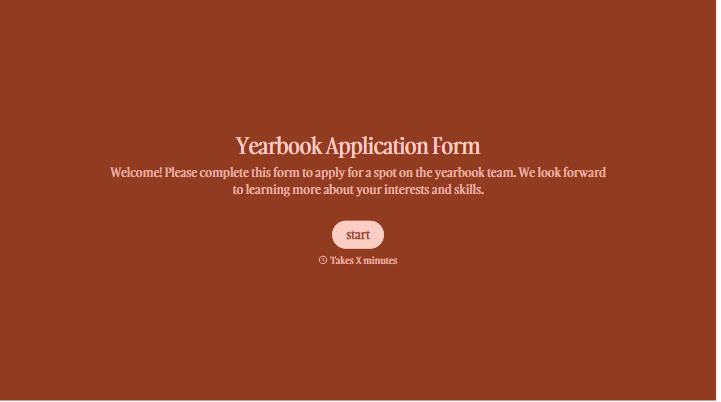
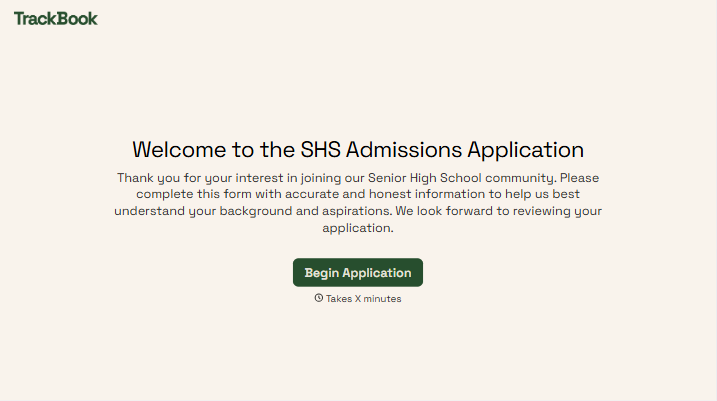
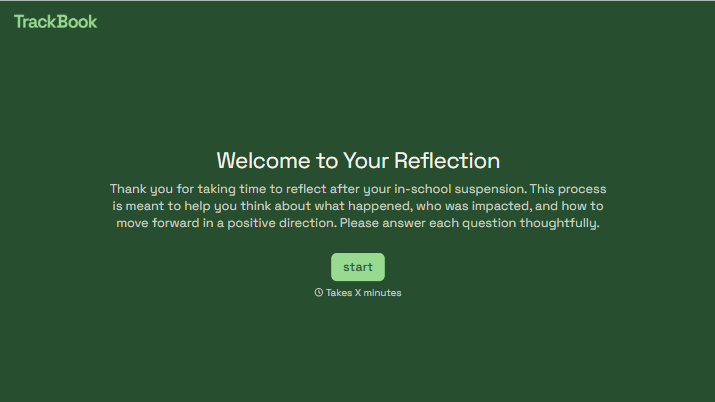
With Typeform, you can customize everything
Change text, colors, and even logos to match the look and feel of your brand. Then embed forms smoothly onto web and email.
Make forms feel effortless to fill out. Pace questions, call people by their name, and adapt the flow based on the data they share.
Stay efficient by connecting forms to your workflow. Typeform integrates with 300+ tools including Slack, Zapier, and HubSpot.