Teacher Assessment Form Template
Evaluate teacher performance with a structured, fair framework — and support professional development.



Teacher evaluations that feel fair and developmental — not punitive — improve classroom performance and staff retention. This form gives administrators a structured way to document observations and feedback, and gives teachers a clear picture of how they're doing.
The template covers the teacher's name, grade, and subject, the observation date, ratings across instructional effectiveness dimensions (lesson planning, delivery, classroom management, differentiation, student engagement), evidence for each rating, areas of strength, areas for growth, and professional development recommendations.
Consistency across evaluations ensures all teachers are assessed against the same criteria — which is essential for both fairness and credibility.
Common domains include: preparation and planning, instructional delivery, classroom environment and management, student engagement, differentiated instruction, professional responsibilities, and collaboration with families.
Most districts evaluate all teachers at least once per year. Many states have tiered systems where probationary or lower-performing teachers receive more frequent evaluations. Check your state's requirements.
Yes. A self-assessment component and a post-observation conversation give teachers a voice in the process and increase buy-in. Evaluations that feel collaborative produce better outcomes than purely top-down assessments.
Describe specific, observable behaviors rather than impressions. 'The teacher asked three open-ended questions and called on students by name' is more useful than 'the teacher engaged students effectively.'
Connect evaluation findings to specific PD opportunities. If a teacher scores lower on differentiation, pair them with a coach or direct them to targeted training. Professional growth plans should be specific, measurable, and supported with resources.
Get inspired by relevant templates and categories
3200+ Templates, 300+ Integrations
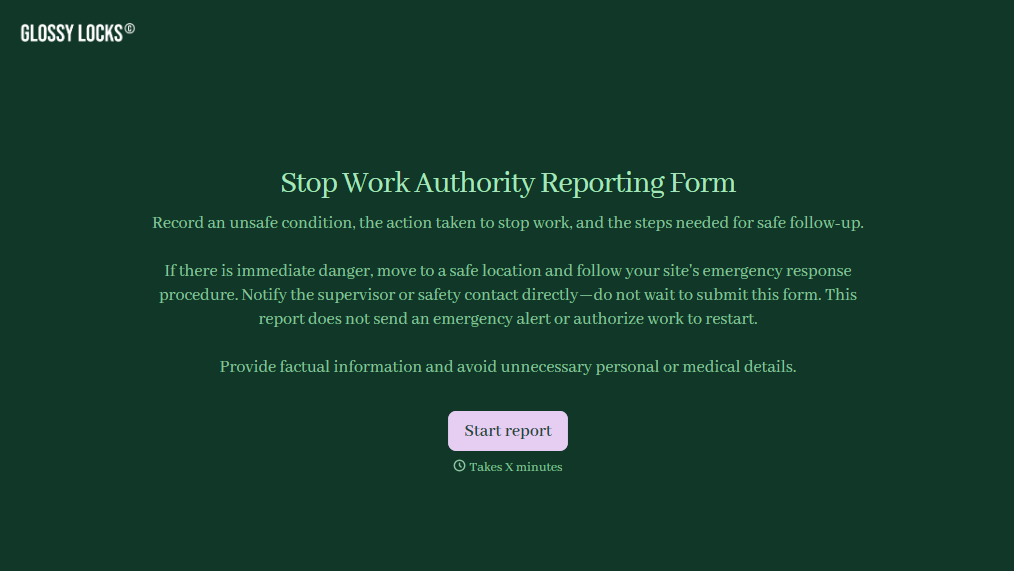
Stop Work Authority Reporting Form
Give employees a straightforward way to report unsafe working conditions and document stop work decisions with a form that collects hazard details, incident locations, and corrective actions. Keep safety reports organized so supervisors can address workplace risks, track resolutions, and support a safer working environment.
View template

Officer Daily Patrol Checklist Form
Give security teams and law enforcement agencies an easy way to document daily patrol activities with a form that collects officer information, inspection results, and incident details. Keep patrol records organized so supervisors can monitor assigned duties, identify safety concerns, and maintain accurate documentation of daily operations.
View template

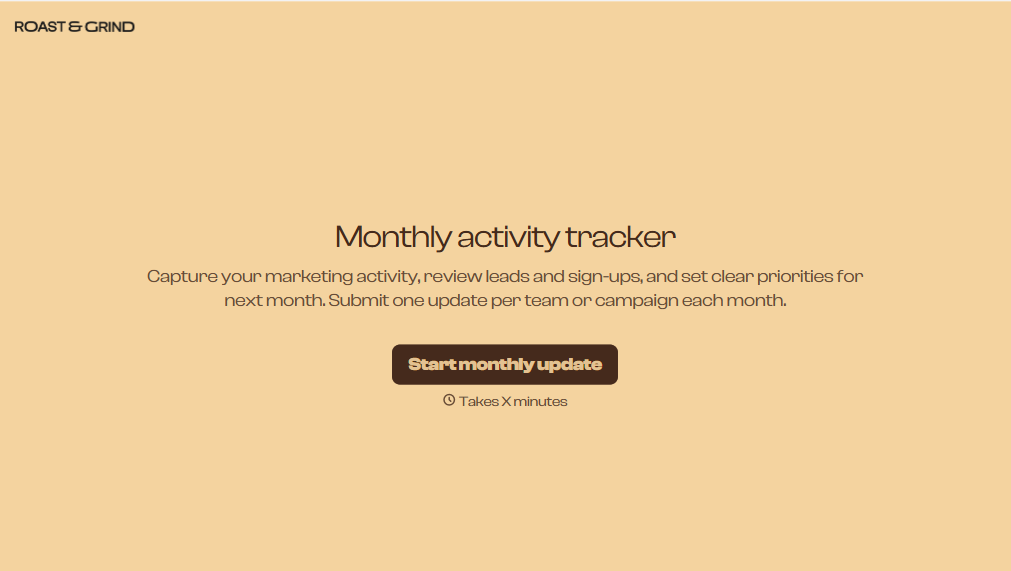
Monthly Activity Tracker Form
Give users a simple way to track monthly activities with a form that collects completed tasks, progress updates, and activity details. Keep all the records organized so individuals and teams can monitor performance, identify patterns, and stay on track with their goals.
View template
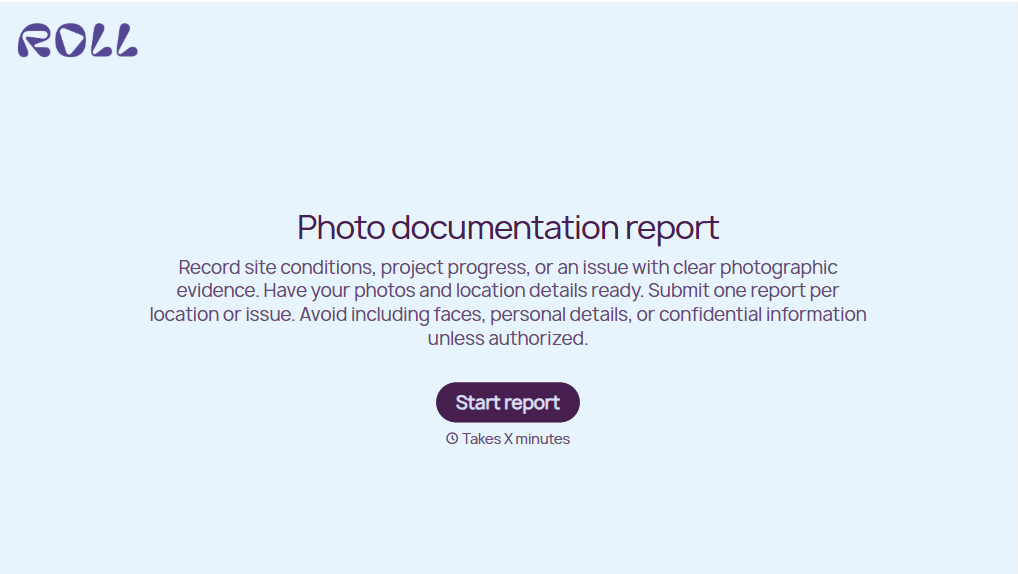
Photo Documentation Report Form
Give teams a straightforward way to document projects, inspections, and incidents with a form that collects photographs, descriptions, and location details. Keep visual records organized so your team can track conditions, verify completed work, and maintain accurate documentation for future reference.
View template
With Typeform, you can customize everything
Change text, colors, and even logos to match the look and feel of your brand. Then embed forms smoothly onto web and email.
Make forms feel effortless to fill out. Pace questions, call people by their name, and adapt the flow based on the data they share.
Stay efficient by connecting forms to your workflow. Typeform integrates with 300+ tools including Slack, Zapier, and HubSpot.