The adaptive customer journeys playbook: How modern teams turn signals into flows
Static customer journeys are dead—adaptive customer journeys are taking their place. The best teams are embracing them, building systems that respond in real time, creating journeys that move as fast as customers do.
.webp)
We already know that static, predefined customer journeys don’t work. They’re rigid and business-focused—forcing customers down a single path that drives them toward your goals instead of moving naturally.
And the one-size-fits-all approach marketers and customer experience (CX) teams have relied on for years simply doesn’t account for how customers actually move. We skip steps, zig then zag, pause, disappear, and maybe reappear months later.
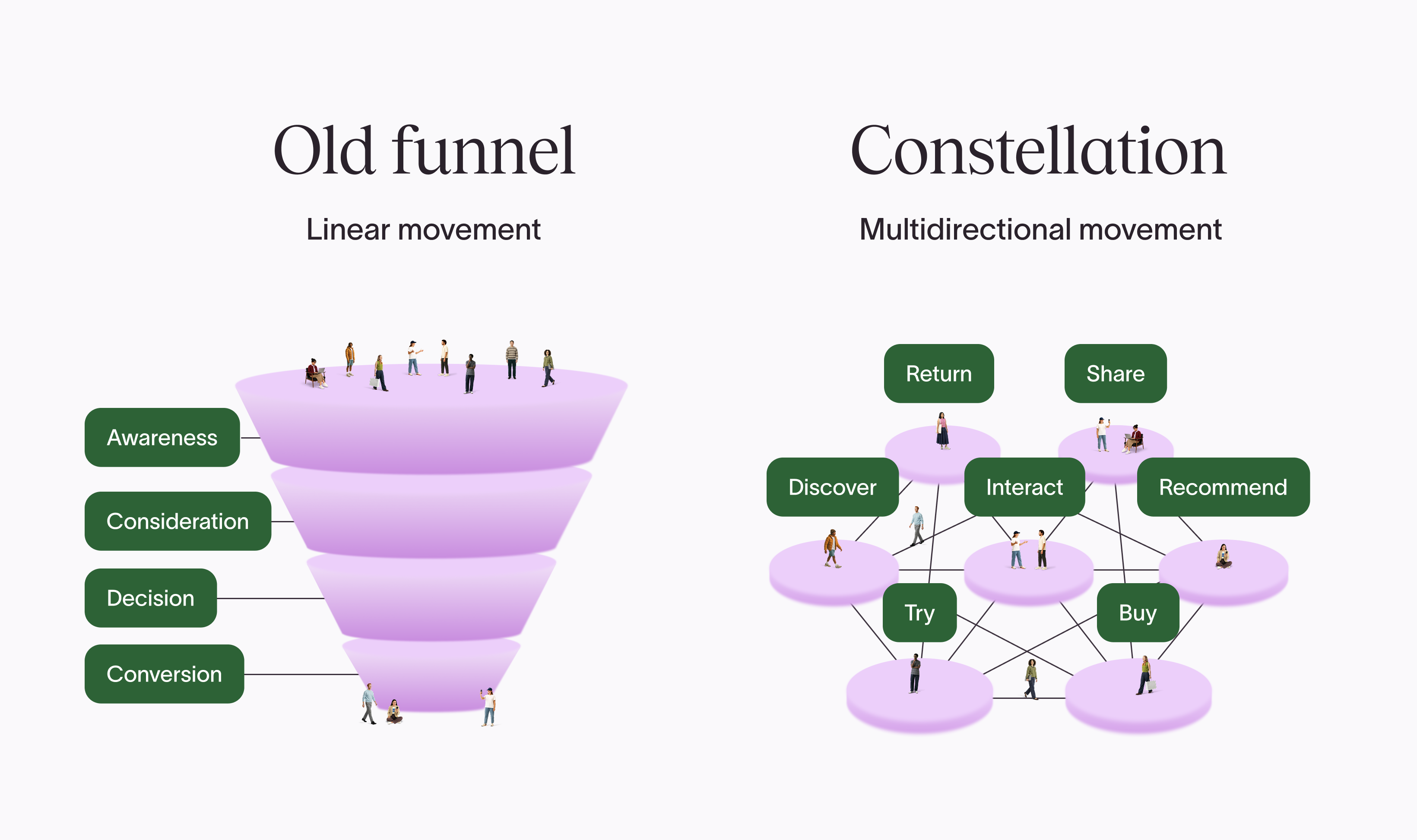
Despite this, most customer journeys are still designed around predefined steps or actions determined months ago, leaving little room to adapt once a customer engages with you.
Signals get ignored, follow-ups happen weeks later, and momentum comes to a halt. Instead of real-time decisioning, you react too late to your customers. You miss the moment.
So why are brands still doing this? Because the static funnel is easy, familiar. Nico Ventura, Senior Manager, Lifecycle Marketing here at Typeform, breaks it down like this:
The funnel is so deeply embedded in how we think, plan, and report. Moving away from the static funnel would require reexamining how we work, but it’s also an operational challenge not everyone can manage.
Adopting predictive models and signal-based journeys means getting the right tech in place, clean and reliable data, and talent that can interpret and activate the data and these journeys.
“Marketing has evolved wildly over the past few years, but the mental model hasn’t kept up.” - Nico Ventura, Senior Manager, Lifecycle Marketing, Typeform
Like it or not, signal-led journeys are the new “It girls” of marketing, and brands that don’t embrace this new model will get left behind. Here’s why: Signals tell you what a customer’s doing, not what stage you think they’re in—you need to act based on reality, not assumption.
And with the rise of machine learning and AI, we’re much better at identifying which behaviors predict future outcomes. Once you know that, you can stop forcing generic journeys and start acting on real customer intent, in real time.
Quite frankly, we expect brands to respond to us like they know who we are—not three weeks after we've moved on.
The good news? Adaptive customer journeys help you not only identify signals in the moment, but act on them—in real time. No delays or missed opportunities. Just systems that adapt with your customers.
Because it’s not about pushing customers down a funnel. It’s about acting quickly on customer signals, and turning signals into momentum—and momentum into the adaptive customer journeys that drive long-term growth and customer loyalty.
What are momentum-driven, adaptive customer journeys?
Adaptive customer journeys are those built around human behavior—not pre-defined stages. They adapt in real-time based on signals, allowing for the real-time decisioning needed to deliver an exceptional CX.
These journeys are continuous flows that build momentum, always guiding customers to the next action—automatically.
So when a customer sends intent signals, adaptive customer journeys respond immediately, meeting customers where they are in the moment. And that’s what makes these momentum-driven journeys different.
No linear funnels or delayed action. No predetermined steps. Just a system designed to put the customer first.
Why signal-led flows are replacing static stages
Your customers are constantly sending you signals. Every time they interact with you, they’re signaling something, whether it’s intent, hesitation, or engagement—not just activity.
Signals are everywhere:
A lead who responds in hours instead of days.
A customer who gives detailed feedback instead of one-word answers.
Someone who re-engages after ghosting you for months.
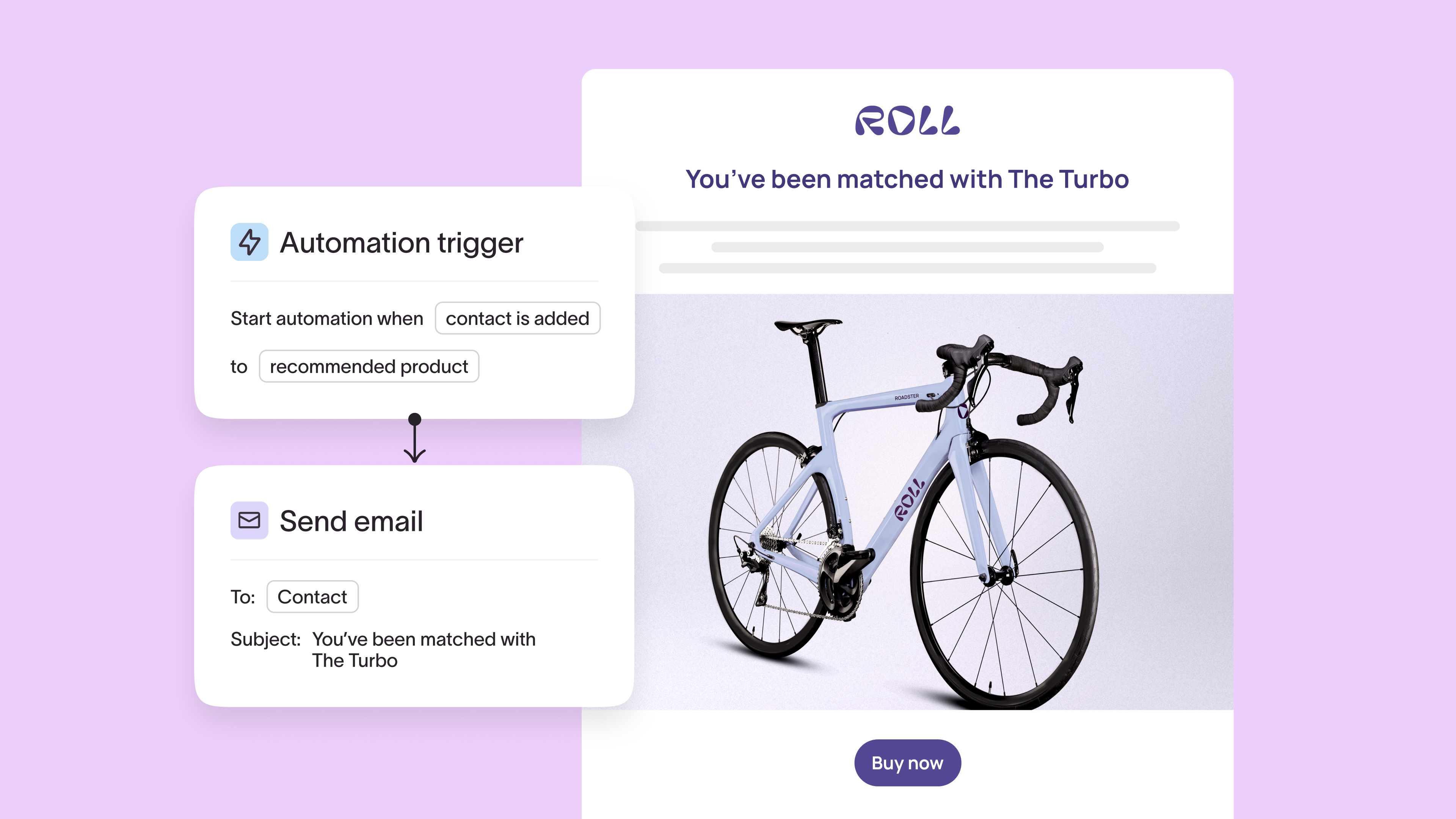
Identifying and understanding signals is crucial, but they don’t mean much if they don’t change what happens next.
You need to act on signals in real time.
You need to capture the moment. Signal-led flows do just that through customer journey automation. Signals automatically trigger what happens next, creating adaptive flows that turn signals into action.
We know—automation can make the CX feel cold and robotic. But, done right, automation can actually scale personalization, while static, manual processes force everyone through the same journey.
Signal-led flows use automation to adapt to the moment and take action. So when a customer sends a signal, your customer experience flows respond.
Let’s say they provide detailed customer feedback. That signal would trigger an immediate, personalized follow-up, delivering a higher-touch experience that fosters a stronger relationship.
“Signal-led lifecycle marketing lets us meet users exactly when they need something, with the right message, in the right context. That makes comms more useful, more timely—less noisy. When marketing becomes more contextual, it naturally performs better for both the user experience and business growth.” - Nico Ventura, Senior Manager, Lifecycle Marketing, Typeform
They don’t assume we all move the same way or at the same pace. These flows recognize that every customer is different and systems should adapt to them as individuals. And most importantly, they allow for real-time decisioning, so you never miss a moment.
No waiting for teams to review the data, run a report, or manually decide what to do. Signal-led flows act the moment the signal appears. That's how momentum compounds. That's how adaptive journeys actually work. And that's why static stages are already obsolete.
Signals and real-time decisioning: Why timing is everything
Signals are valuable because they tell you what a customer’s doing right now. Whether they’re hesitating or letting you know they’re ready to buy. But they quickly lose value when you wait to take action.
A lead requesting a demo is telling you they’re interested. But if you wait even a few days to review the data, run a report, and then reach out, the moment’s gone. That signal from a few days ago lost its value.
Your lead signaled intent, and you virtually said, “We’ll get back to you!” 🤷♀️
And that’s the problem with static workflows—they’re designed around delayed action. You get signals, process them after the moment’s passed, and act when it’s convenient (often way after it’s relevant).
The result? You miss the moment entirely. Or you respond incorrectly—like sending a customer struggling with your product to customer service two weeks later instead of triggering product onboarding emails. By that point, they’ve churned.
Static workflows can’t move at the pace of human behavior. And because they can’t adapt, they treat every customer the same, regardless of the signals they send.
But adaptive customer journeys solve this by enabling real-time decisioning.
Instead of operating on a delay, adaptive systems make decisions based on signals, in the moment. Demo requests trigger immediate follow-ups. Less-than-favorable NPS scores or customer feedback get routed to customer service instantly.
The system powers real-time decisioning, so customers feel seen, and momentum builds. And the brands getting this right aren't relying on manual processes—they're using customer journey automation to make personalization scalable.
Personalize based on what customers have already told you
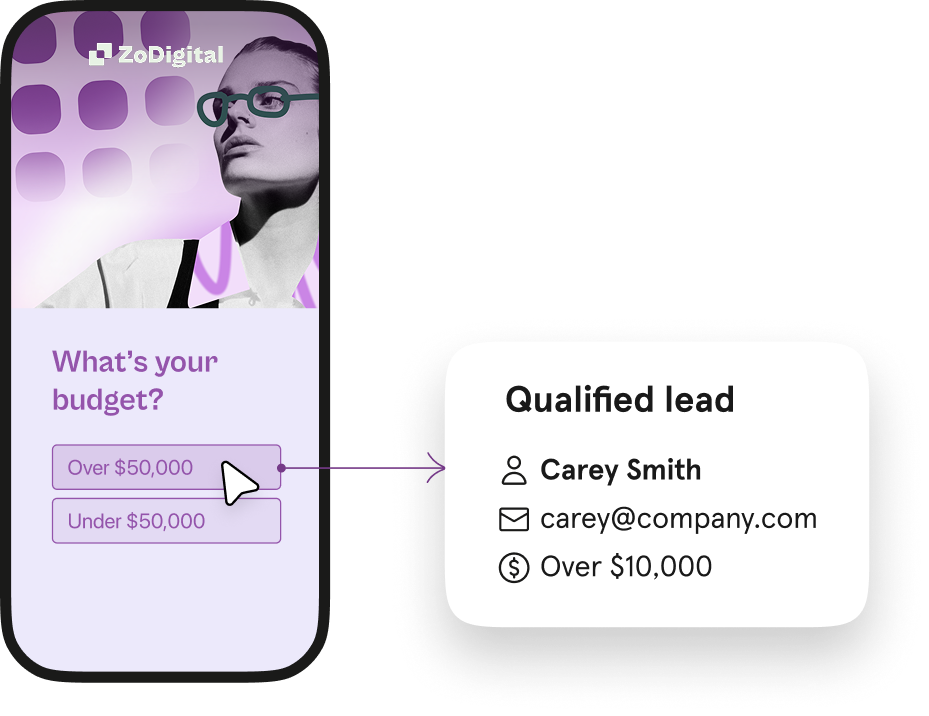
When a customer fills out a customer feedback survey, a demo request form, or a product recommendation quiz, they’re expecting to answer relevant questions only and not be treated like everyone else.
Logic lets you do that—in real time—by guiding customers to the next right question based on their previous answers. If they indicate a budget you can’t meet, they get routed to educational content and enter a nurture flow.
If they book a meeting, they get routed to the end of the survey without answering a bunch of irrelevant questions.
Adaptive customer journeys do this automatically. No manual routing. No delays. Just the right action at the right time.
Use AI to ask better questions and get deeper insights
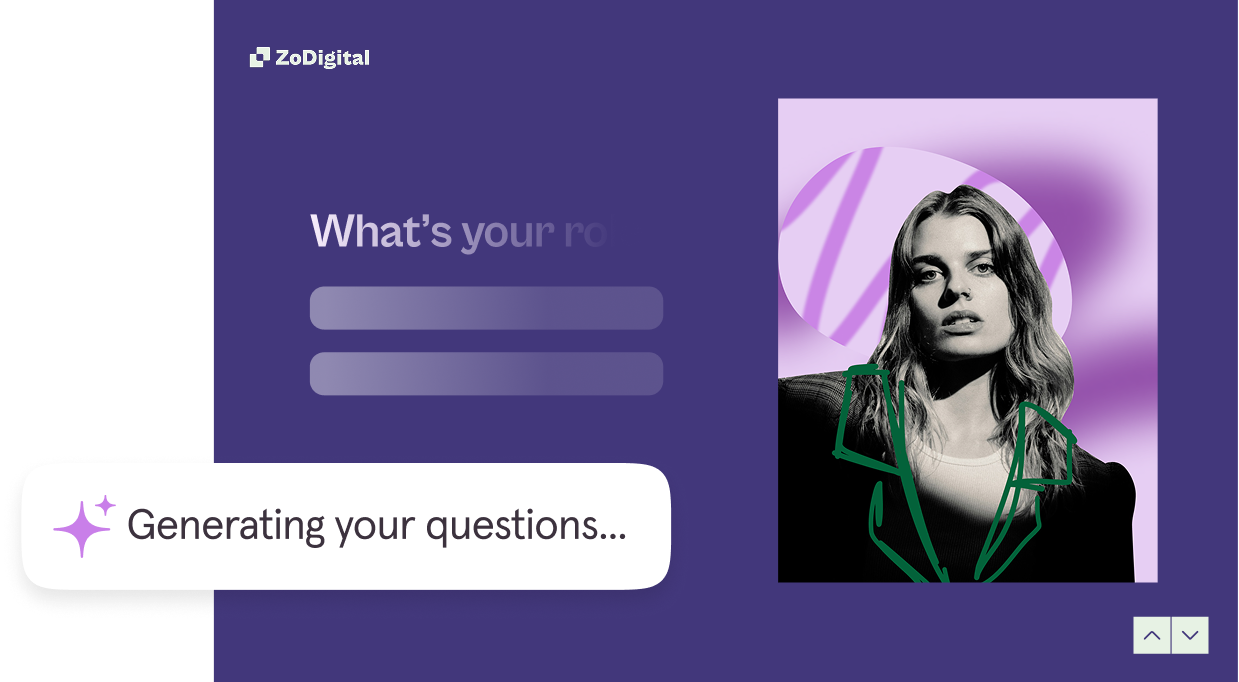
Typeform AI uncovers more contextual customer insights by helping you ask the right questions and following up when you get generic responses. Without context, signals are just noise. But with it? They’re actionable.
Clarify with AI lets you dig a little deeper and get the full picture. Why did a customer rate you so highly? What feature is specifically giving them trouble? Clarify with AI follows up automatically, in real time, so you can act immediately based on real, detailed insights.
And AI Form Builder and AI Content Optimizer help you build better forms—ones that ask more relevant questions in the first place, so the signals you're collecting are actually useful.
Better questions. Stronger signals. Better decisioning.
From signals to full-on customer journey automation
Typeform Contacts & Automations turn signals into automated flows that let you adapt and act in the moment:
- Segment your audience based on their behavior with Contact Segments, and start sending more targeted and personalized campaigns.
- Trigger personalized follow-ups and email flows the second a customer takes action with Automation Builder and Email Builder.
- Qualify and route leads based on what they've told you, then add them to Contact Hub to manage them automatically.
This is what adaptive customer journeys actually look like in action. Not a single tool, rather a connected system that turns signals into momentum—automatically and immediately.
Adaptive customer journeys are the way forward—and they're simpler than you think
Adaptive, momentum-driven customer journeys aren’t about complicated automations or predicting every path a customer might take. They’re built on in-the-moment action and responsiveness.
And all you need to build these journeys is a system that responds when customers signal what they need. That's it. Signals. Real-time decisioning. Action. Systems that move as fast as your customers.
Don’t overthink it—design journeys that adapt automatically and turn signals into momentum. No delays, friction, or guesswork. And the next time you review your customer journey, ask yourself:
Is this a stage or a flow?
If it’s a stage, it’s rigid. If it’s a flow, it adapts.
Want to build adaptive customer journeys that act in real time, automatically? Try Typeform.