Biopsychosocial Assessment Form Template
Gather a complete picture of a client's physical, psychological, and social history before starting treatment. This template supports thorough clinical intake.



A biopsychosocial assessment is only as useful as the information it captures. When clinicians conduct these assessments through unstructured conversations or generic paper forms, they often come away with gaps — especially in the social and psychological dimensions that clients find harder to articulate without prompting.
A structured digital form helps. Typeform's one-question-at-a-time format reduces the cognitive load of working through sensitive topics, and conditional logic allows you to probe deeper in areas a client flags as relevant. Someone who indicates a history of trauma sees follow-up questions that someone without that history doesn't need to answer.
Customize the assessment to your clinical specialty, ensure it aligns with your documentation requirements, and you'll have a more complete intake record from the start.
A biopsychosocial assessment form is a clinical intake tool that captures information across 3 domains: biological (medical history, physical health, medications), psychological (mental health history, cognitive functioning, emotional patterns), and social (family, relationships, work, cultural context). It's used across mental health, social work, medicine, and addiction treatment to inform holistic care planning.
It helps clinicians develop a fuller understanding of a client's situation before treatment begins. Relying only on medical history or only on presenting symptoms misses the interconnected factors that influence health outcomes. A structured form ensures all 3 domains get covered consistently across every intake, regardless of which clinician administers it.
The assessment should address all 3 domains and any relevant presenting concerns. Consider including:
- Current presenting problem and reason for seeking care
- Medical history, chronic conditions, and current medications
- Mental health history and any prior treatment
- Substance use history
- Family history (medical and mental health)
- Living situation, employment, and financial stability
- Social support network and relationships
- Cultural, spiritual, or religious factors relevant to care
They're used by a wide range of practitioners — therapists, psychiatrists, social workers, addiction counselors, and primary care providers among them. The depth and focus of the assessment varies by specialty; a social worker's intake will emphasize social context differently than a psychiatrist's will emphasize diagnostic criteria.
Biopsychosocial assessments collect highly sensitive health and personal information. Make sure your form collection complies with applicable privacy regulations (HIPAA in the US, for example) and that data is stored securely with access limited to authorized clinical staff. Review Typeform's data processing agreements and security documentation to ensure it meets your compliance requirements.
Get inspired by relevant templates and categories
3200+ Templates, 300+ Integrations
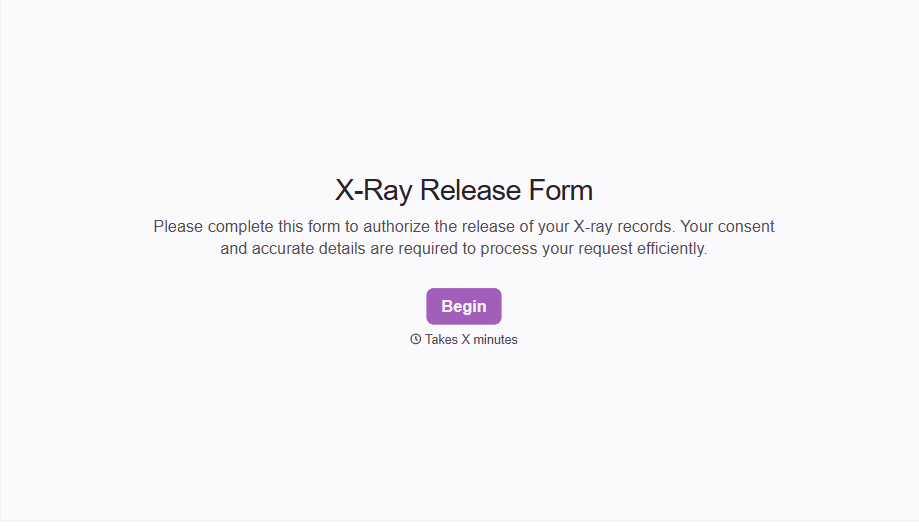
X-Ray Release Form
A phone call asking to send X-rays to a new provider isn't an authorization your compliance file can rely on. Collect patient information, the receiving provider's details, and a signed authorization before the images go out, so your front desk isn't scrambling to prove who approved a release.
View template
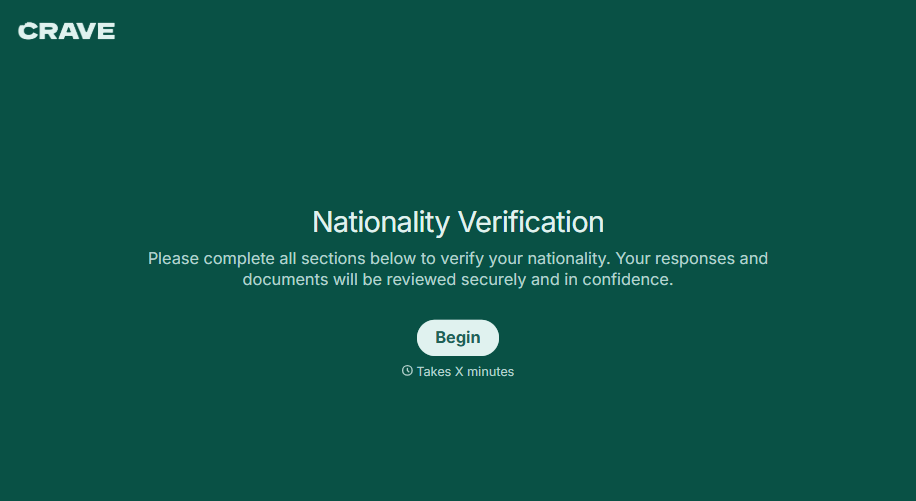
Nationality Verification Form
A self-certification buried in a stack of new account paperwork isn't the kind of record a compliance team can rely on for a regulatory filing. Collect nationality, tax residency, and a signed declaration before an account opens, so compliance isn't chasing down a customer's citizenship status after the fact.
View template
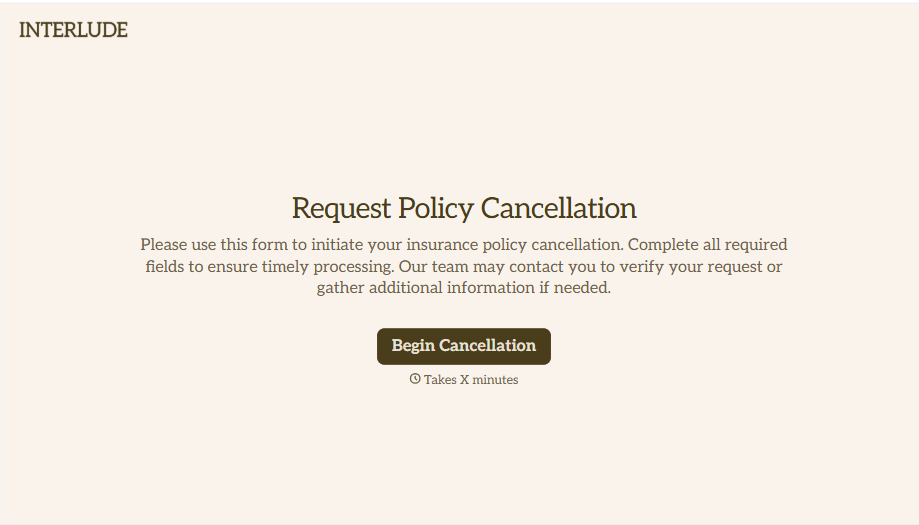
Policy Cancellation Form
A cancellation requested over the phone doesn't leave a clear record of exactly what date the policyholder actually asked for, and that date matters more than it sounds like it should. Collect what your agency actually needs, policy details, identity verification, and the requested effective date, before coverage actually ends.
View template
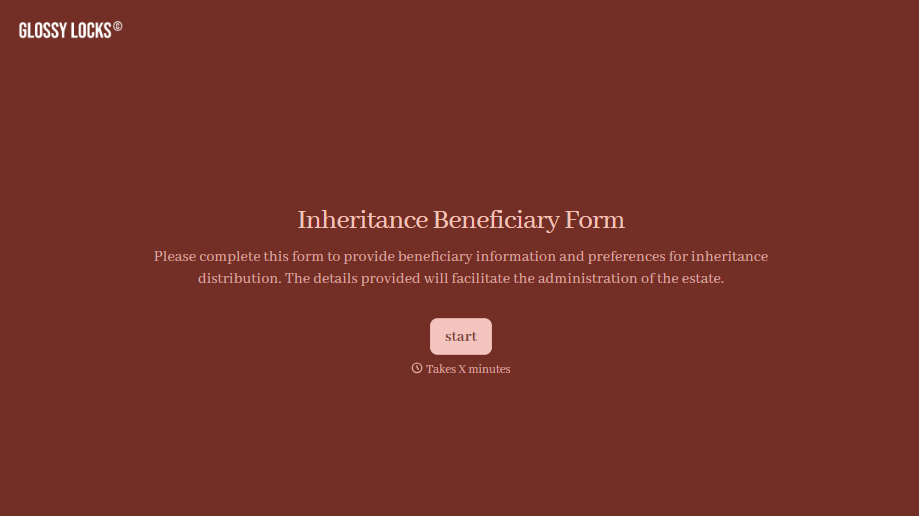
Inheritance Beneficiary Form
Asking a grieving family member for the same banking details across three different phone calls doesn't make settling an estate go any faster. Collect what your firm actually needs, beneficiary information, identification, and distribution details, in one submission instead of three calls.
View template
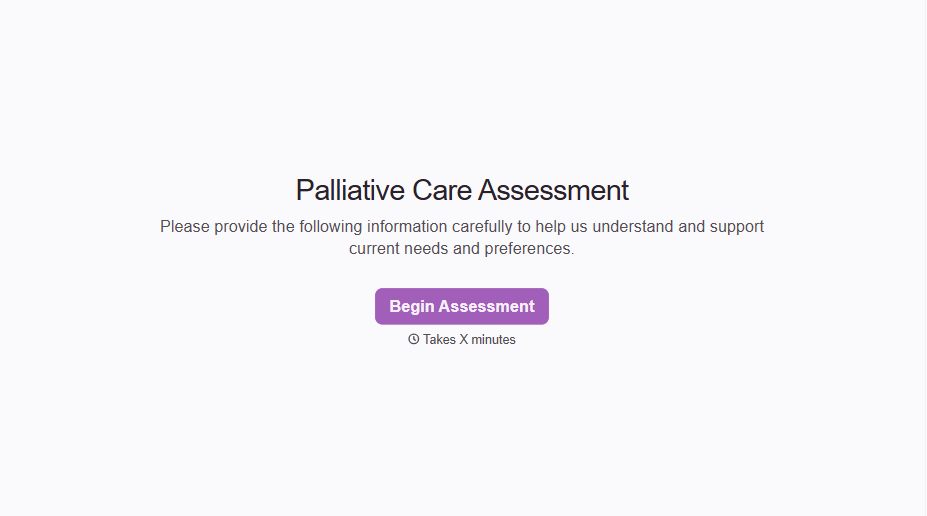
Palliative Care Assessment Form
A symptom check done verbally during a rushed home visit isn't the kind of record that shows whether pain management is actually working from one visit to the next. Collect symptom severity, functional status, and psychosocial needs consistently, so a care team can see change over time instead of relying on memory of the last visit.
View template
With Typeform, you can customize everything
Change text, colors, and even logos to match the look and feel of your brand. Then embed forms smoothly onto web and email.
Make forms feel effortless to fill out. Pace questions, call people by their name, and adapt the flow based on the data they share.
Stay efficient by connecting forms to your workflow. Typeform integrates with 300+ tools including Slack, Zapier, and HubSpot.