Botox Consent Form Template
Collect informed consent from patients before cosmetic procedures. This template covers treatment details, medical history, risks, and patient authorization in a clear, guided format.



Informed consent isn't just a legal formality — it's an essential part of patient care. Patients need to understand what the procedure involves, what the potential side effects are, and what questions to ask before they agree to treatment. When consent is collected through paper forms in a waiting room, people rush through them, miss important details, and the form becomes a signature rather than a genuine consent process.
A digital consent form gives patients the time and space to read through the information properly, at their own pace. Typeform's one-question-at-a-time format works particularly well here — rather than presenting a dense block of text and a signature box, each section is read and acknowledged individually. Medical history questions use conditional logic to surface follow-up questions when relevant (for example, asking about blood thinners when a patient indicates they take prescription medications).
Customize the template for the specific treatment being performed, review it with your medical-legal team, and use it consistently before every procedure.
A botox consent form documents that a patient has been informed about a botulinum toxin treatment — including the procedure, potential side effects, contraindications, and what to expect during recovery — and has given their agreement to proceed. It's both a record of the patient education process and a legal document that the treatment was performed with the patient's informed consent.
Performing any cosmetic procedure without documented informed consent creates significant legal and professional risk for the practitioner. A consent form demonstrates that the patient received and acknowledged the relevant information before the procedure. It also serves as a record of the patient's disclosed medical history and any specific concerns they raised, which is useful for follow-up care.
Cover the patient's health background and explicit acknowledgment of the procedure's details:
- Do you have any allergies, particularly to botulinum toxin products or human albumin?
- Are you currently taking any medications, including blood thinners or supplements?
- Have you had any previous botulinum toxin treatments, and were there any adverse reactions?
- Are you pregnant, breastfeeding, or planning to become pregnant?
- Do you understand the potential side effects, including bruising, swelling, and asymmetry?
- Do you consent to this treatment, and have all your questions been answered?
Digital consent forms with a clear acknowledgment mechanism are legally valid in most jurisdictions, provided the form accurately reflects the information disclosed and the patient's identity can be verified. Work with your legal or compliance team to confirm the appropriate consent mechanism for your region — this may include a typed signature, a checkbox acknowledgment, or a timestamp record of acceptance.
At minimum, disclose the common side effects (bruising, swelling, headache), the rare but serious risks (eyelid drooping, allergic reaction, spread of toxin beyond the treatment area), and the temporary nature of results. Include information about what to do and who to contact if the patient experiences an adverse reaction after the appointment. The consent form should reflect the actual disclosure conversation — not serve as a substitute for it.
Get inspired by relevant templates and categories
3200+ Templates, 300+ Integrations
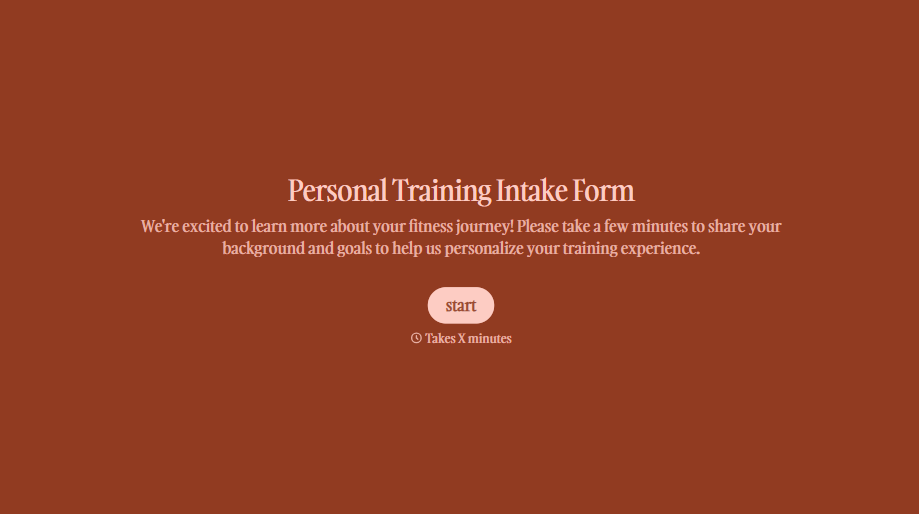
Personal Trainer Intake Form
A PAR-Q filled out in the lobby five minutes before a first session isn't intake, it's a formality nobody has time to read closely. Collect health history, injury information, and fitness goals before the first session, so your trainer isn't building a program blind.
View template
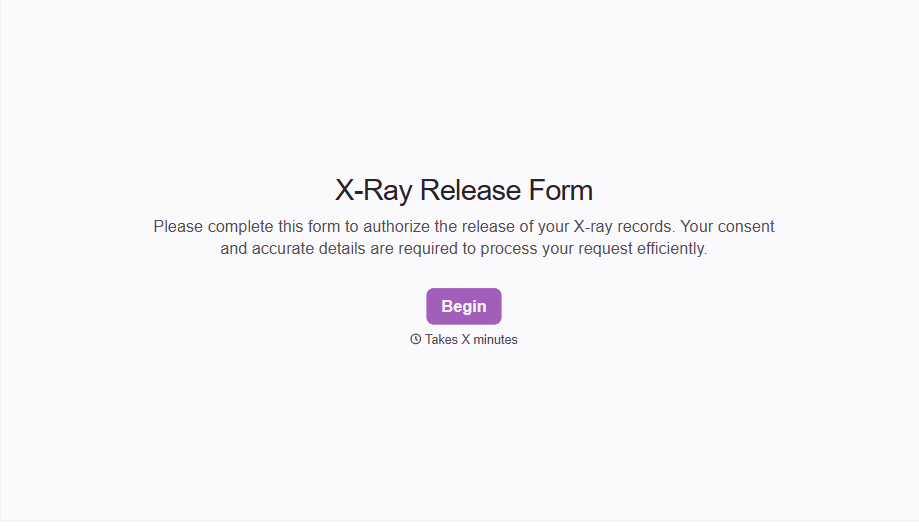
X-Ray Release Form
A phone call asking to send X-rays to a new provider isn't an authorization your compliance file can rely on. Collect patient information, the receiving provider's details, and a signed authorization before the images go out, so your front desk isn't scrambling to prove who approved a release.
View template
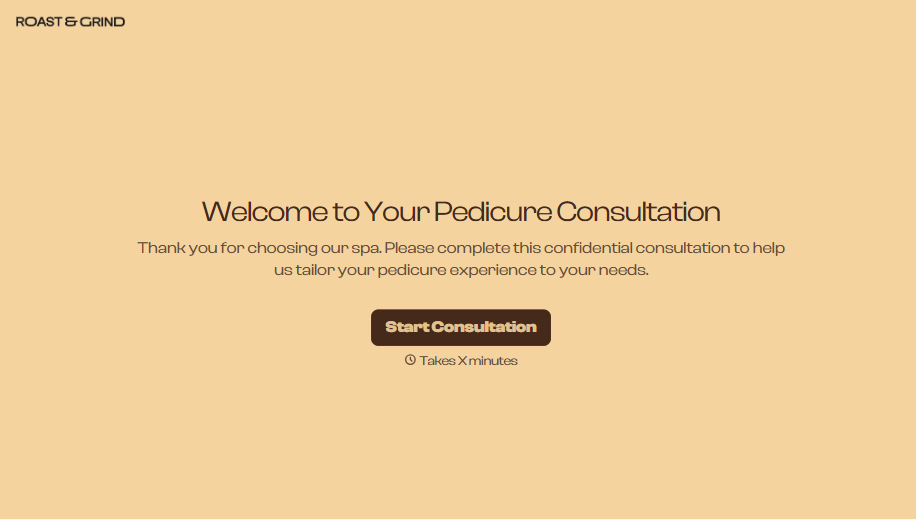
Pedicure Consultation Form
An intake card filled out on a clipboard while a client's feet are already in the soak isn't a consultation, it's a formality nobody reads closely. Collect foot health disclosures, allergy information, and service preferences before the technician picks up a tool, so nobody discovers a health condition mid-service.
View template

Library Book Request Form
A book request scrawled on a sticky note at the front desk doesn't make it into any queue, and it definitely doesn't get anyone a call when the book actually arrives. Collect what your library actually needs, the title, patron information, and how they'd like to be notified, before the note gets buried under the next stack of returns.
View template
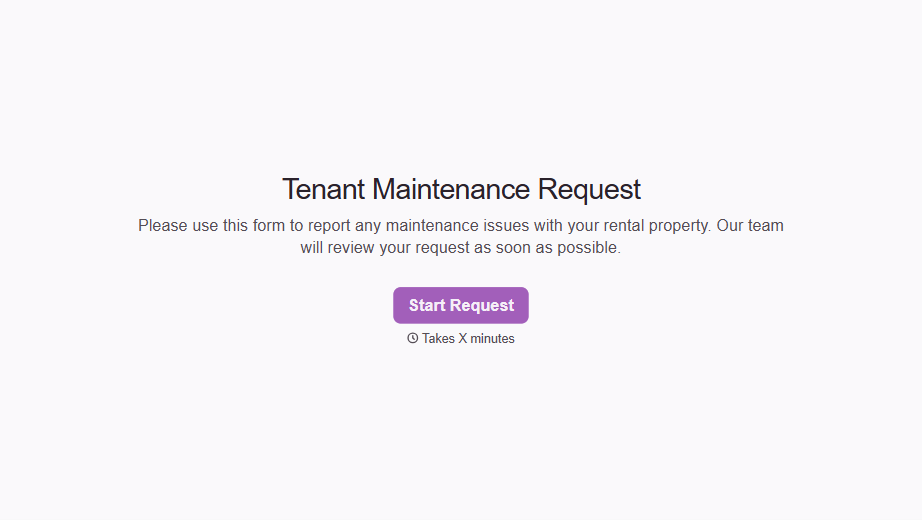
Tenant Repair Request Form
A text message about a leaky faucet sent at 11pm isn't a work order your maintenance team can act on efficiently, especially without a photo or a unit number attached. Collect the property, the issue, and how urgent it is before the request lands in someone's texts, so a repair doesn't wait on a landlord scrolling back through old messages.
View template
Video Request Form
A Slack message asking for "a quick video for the launch" isn't a creative brief your video team can actually start from. Collect the project purpose, deadline, and deliverable specs before the request lands in a queue, so your team isn't reworking a video built on assumptions the requester never actually stated.
View template
With Typeform, you can customize everything
Change text, colors, and even logos to match the look and feel of your brand. Then embed forms smoothly onto web and email.
Make forms feel effortless to fill out. Pace questions, call people by their name, and adapt the flow based on the data they share.
Stay efficient by connecting forms to your workflow. Typeform integrates with 300+ tools including Slack, Zapier, and HubSpot.