Compensation satisfaction survey
Collect confidential employee feedback on pay satisfaction, perceived market fairness, and total compensation before your next review cycle, so HR addresses frustrations before they become resignation letters.



Employees who feel underpaid rarely raise the concern with their manager; they update their resume instead. Organizations that wait for the resignation conversation to learn about pay dissatisfaction are hearing about it too late to act. Typeform's compensation survey gives HR a confidential, structured way to measure employee compensation satisfaction before it becomes a retention problem.
The form covers base pay satisfaction, perceived market fairness, total compensation, pay decision transparency, and an open field for context. Each question appears one at a time, so employees engage with each question fully rather than rushing through. Conditional logic branches follow-up questions based on satisfaction level. Low satisfaction scores trigger a follow-up about market rate expectations, while satisfied employees are asked what they value most.
Customize the compensation components, satisfaction scale, and follow-up questions to align with your organization's pay structure and current HR priorities. Share it via email or your HR platform, noting clearly that responses are anonymous and reported only in aggregate. Export to Google Sheets via Zapier so HR compares satisfaction by department and role before the next salary review. Every conversation about pay that HR enters during the next performance cycle starts from data, instead of guesswork.
A compensation survey gathers confidential employee feedback on pay. Employees rate their satisfaction with their compensation, weigh in on market fairness and pay decision transparency, and share open-ended input on what would improve their compensation experience. HR teams that run compensation surveys before a review cycle spot pay risk before employees start looking elsewhere.
Most employees who feel underpaid already know it, because salary benchmarking tools have made market data widely accessible. That gap between what employees know and what HR assumes is where unplanned resignations begin. A compensation survey addresses the disconnect before an employee decides to walk out the door.
Cover both the numbers and the perception behind them:
- How employees rate their current salary relative to their responsibilities
- Whether they believe they're paid at, above, or below market rate for their role
- Satisfaction with total compensation, including base, bonus, equity, and benefits
- Whether they understand how pay decisions are made
- Open-text field: what would improve your overall compensation experience?
Make identifying fields optional and state clearly at the start that responses are anonymous and reported only only as a group total. Compensation is the most sensitive topic in any employee survey, so anonymity assurances need to be explicit, not implied. When employees see compensation feedback produce real changes in the next review cycle, honesty improves significantly in subsequent surveys.
Export to Google Sheets via Zapier, segment by role level, and see where perceived market pay misalignment is most concentrated. Roles where multiple employees rate pay fairness low, citing similar market expectations, are where the next salary review should start. Sharing survey summary results with department heads before salary planning gives managers evidence to bring to compensation discussions, instead of hunches.
Get inspired by relevant templates and categories
3200+ Templates, 300+ Integrations

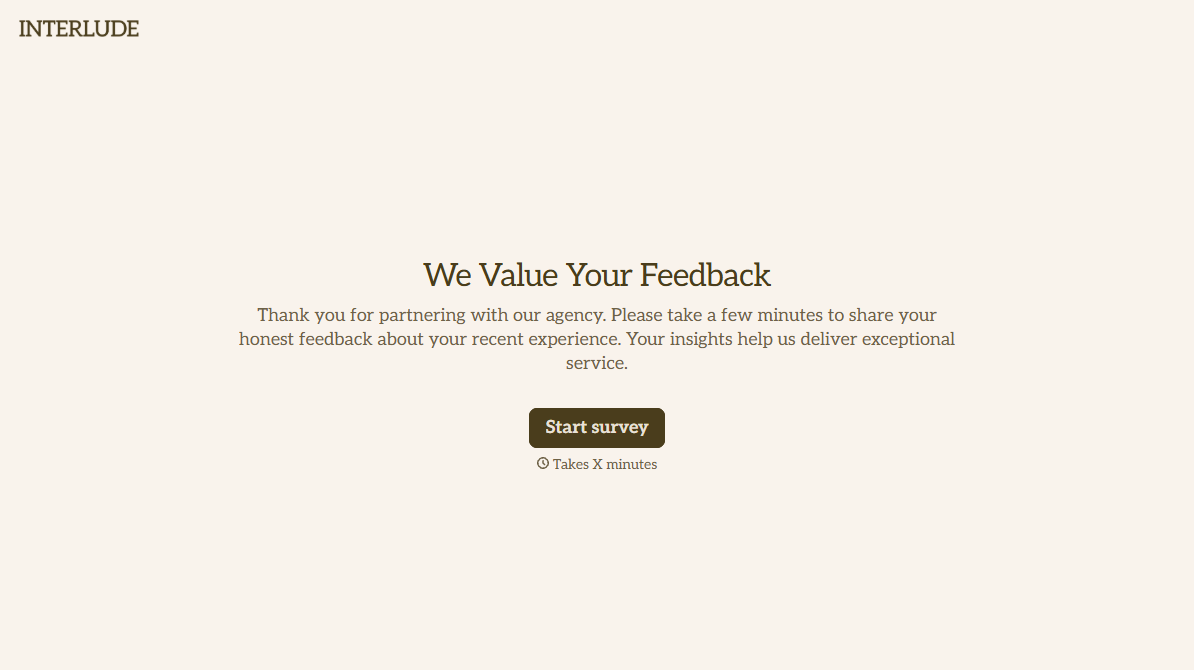
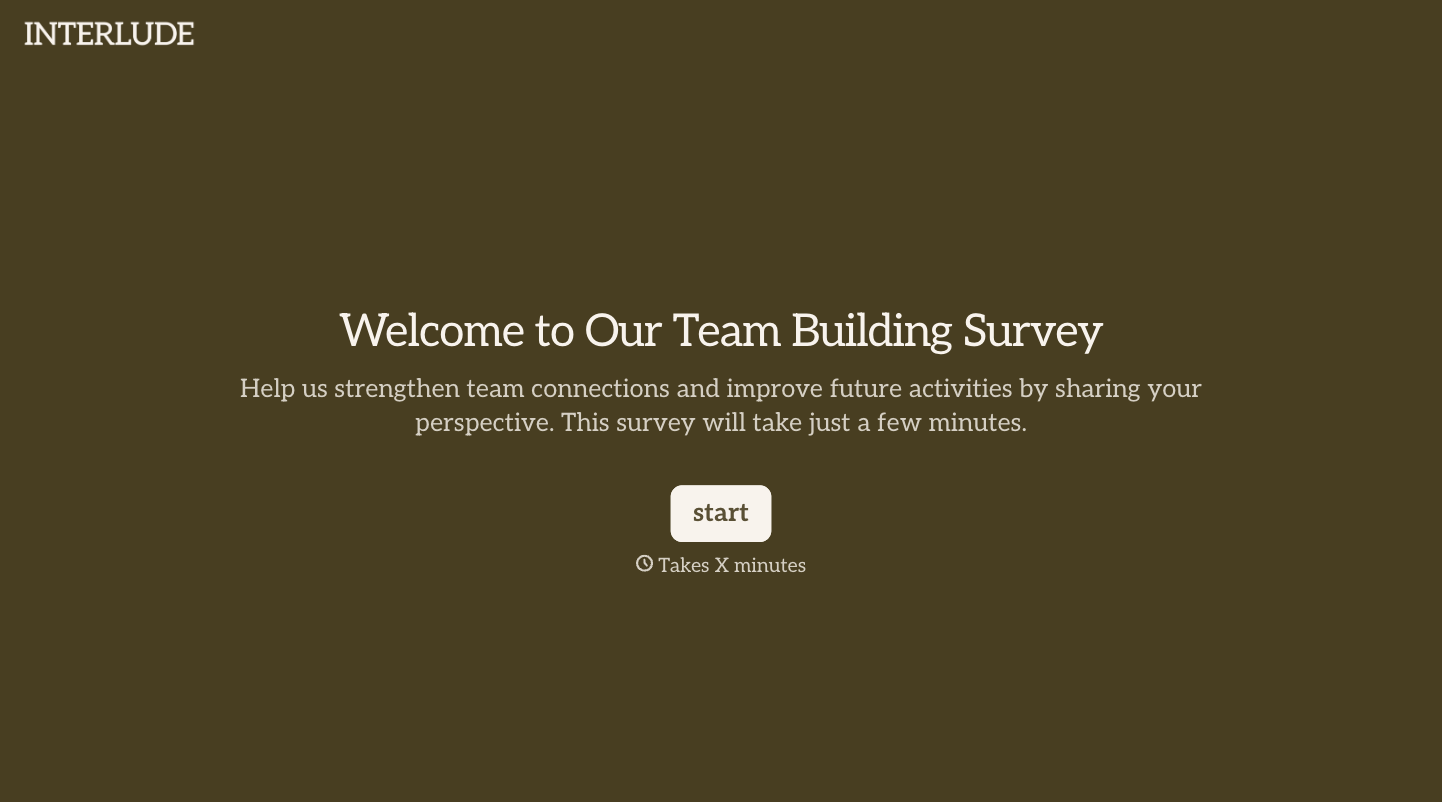


With Typeform, you can customize everything
Change text, colors, and even logos to match the look and feel of your brand. Then embed forms smoothly onto web and email.
Make forms feel effortless to fill out. Pace questions, call people by their name, and adapt the flow based on the data they share.
Stay efficient by connecting forms to your workflow. Typeform integrates with 300+ tools including Slack, Zapier, and HubSpot.