Customer Complaint Form Template
Turn frustrated customers into loyal ones. It starts with making them feel heard.



Nobody enjoys receiving complaints. But a customer who complains is a customer who still cares enough to tell you something's wrong. The real danger is the ones who leave silently. The problem? Most complaint processes are so painful that they make an already frustrated customer feel even worse: long hold times, email black holes, and forms that ask for the same information 3 times.
This customer complaint form template flips the experience. The conversational, one-question-at-a-time format gives customers space to explain what happened without feeling rushed or boxed into dropdowns that don't match their situation. They describe the issue, attach photos or receipts, indicate their preferred resolution, and share how they'd like to be contacted, all in under 4 minutes.
Route complaints to the right team automatically using conditional logic and Zapier integrations. A product defect goes to quality assurance. A billing issue goes to finance. A service complaint goes to the team lead. Every complaint hits Google Sheets or your CRM for tracking, pattern analysis, and resolution monitoring. You respond faster because you already have the full picture.
A customer complaint form is a structured channel for customers to report problems, dissatisfaction, or negative experiences with your product or service. It captures the nature of the complaint, relevant details, supporting evidence, and the customer's desired resolution. It replaces scattered, informal complaints with a documented, trackable process.
Without one, complaints arrive through random channels (social media, email, phone, in-person) and many fall through the cracks. A formal process ensures every complaint is documented, routed, and resolved. It also generates data: when you see 30 complaints about the same issue, that's not a customer problem. That's a product problem you can fix at the source.
- Customer name, email, and order or account number
- Date the issue occurred
- Category of complaint (product, service, billing, delivery, other)
- Detailed description of the problem in their own words
- File upload for photos, screenshots, or supporting documents
- Preferred resolution (refund, replacement, callback, other)
Keep it short and respectful. Every unnecessary question feels like you're wasting their time. Don't ask for information you should already have (like their purchase history, if they're logged in). Acknowledge the inconvenience upfront with empathetic language in your form's intro. And set clear expectations: tell them when they can expect a response, and then actually meet that timeline.
Aggregate complaints in a spreadsheet or dashboard and look for patterns. Categorize by issue type, product, time period, and resolution. If 40% of complaints mention shipping delays, that's not a customer service problem. It's a logistics problem. Monthly or quarterly complaint reviews should be part of your operations cadence. The complaints you track today prevent the churn you'd see tomorrow.
Get inspired by relevant templates and categories
3200+ Templates, 300+ Integrations
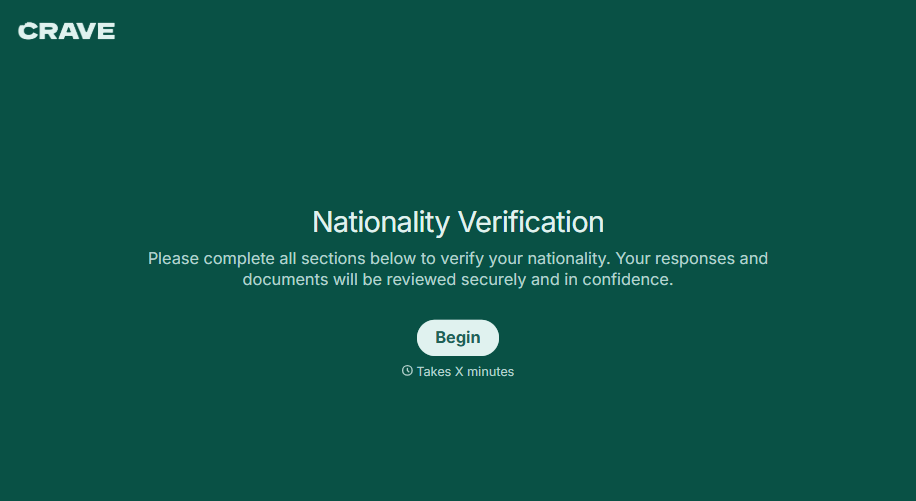
Nationality Verification Form
A self-certification buried in a stack of new account paperwork isn't the kind of record a compliance team can rely on for a regulatory filing. Collect nationality, tax residency, and a signed declaration before an account opens, so compliance isn't chasing down a customer's citizenship status after the fact.
View template
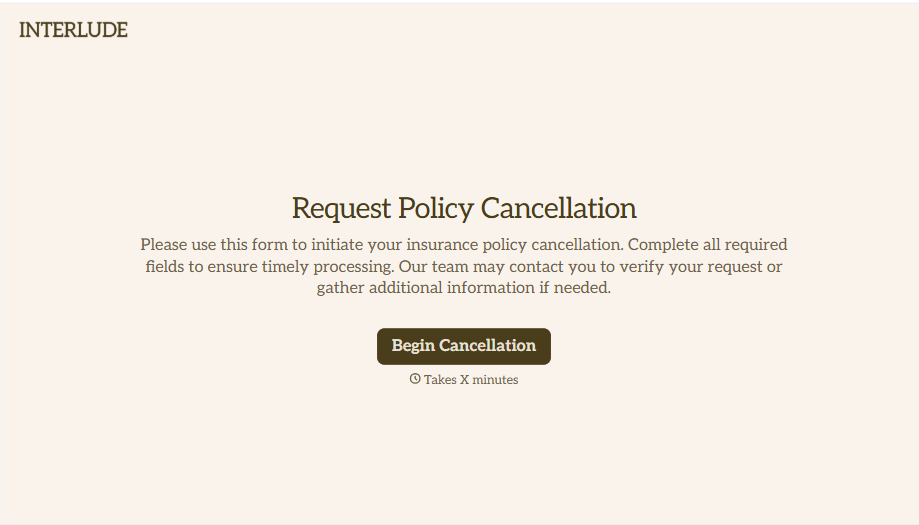
Policy Cancellation Form
A cancellation requested over the phone doesn't leave a clear record of exactly what date the policyholder actually asked for, and that date matters more than it sounds like it should. Collect what your agency actually needs, policy details, identity verification, and the requested effective date, before coverage actually ends.
View template
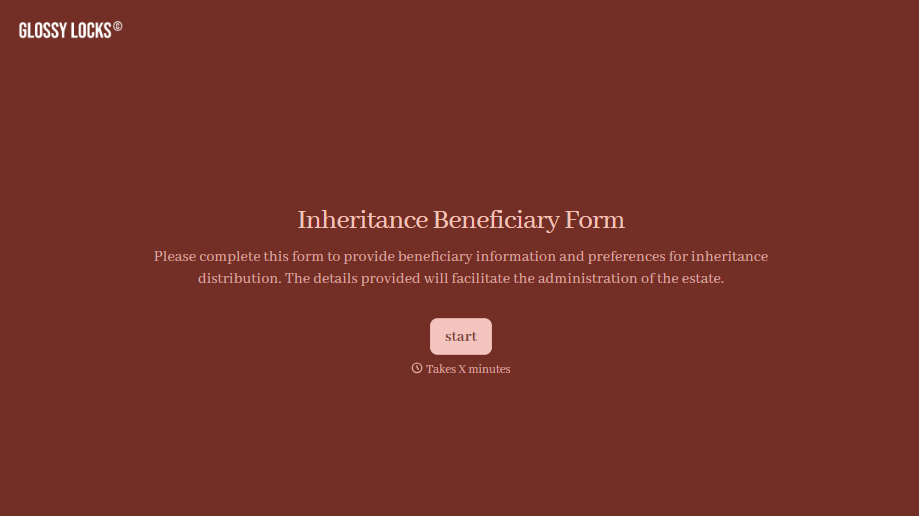
Inheritance Beneficiary Form
Asking a grieving family member for the same banking details across three different phone calls doesn't make settling an estate go any faster. Collect what your firm actually needs, beneficiary information, identification, and distribution details, in one submission instead of three calls.
View template
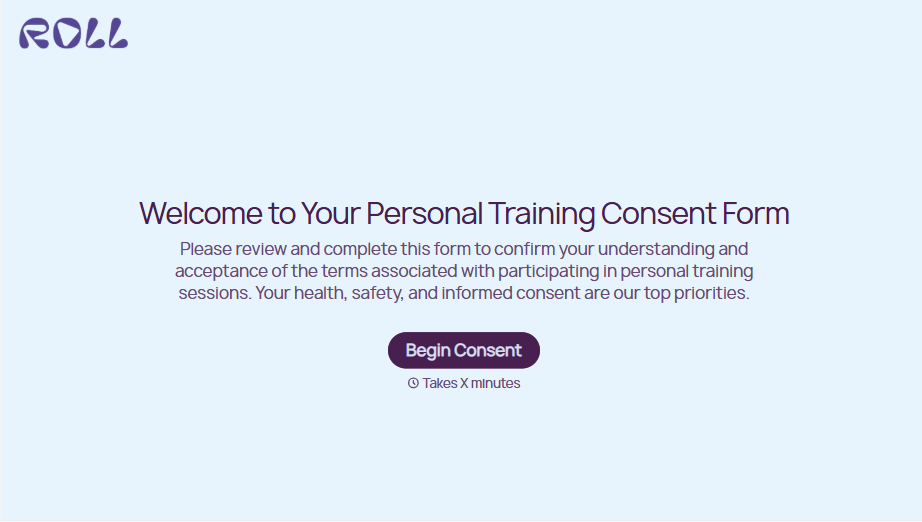
Personal Training Informed Consent Form
A consent form signed in the ten seconds before a first session isn't the kind of informed agreement that holds up if something goes wrong. Walk clients through the specific risks of training and get a signed, dated acknowledgment before the first rep, so consent actually means what the word implies.
View template

Unconditional Release Form
A lien waiver signed at the job site with a pen borrowed from someone's truck isn't the kind of document a lender wants to see before releasing a draw. Collect the project, payment details, and a signed unconditional release before funds go out, so a draw isn't held up by a waiver nobody can find.
View template
With Typeform, you can customize everything
Change text, colors, and even logos to match the look and feel of your brand. Then embed forms smoothly onto web and email.
Make forms feel effortless to fill out. Pace questions, call people by their name, and adapt the flow based on the data they share.
Stay efficient by connecting forms to your workflow. Typeform integrates with 300+ tools including Slack, Zapier, and HubSpot.