Educational Survey
Test scores show how students perform, not how they experience learning. Collect teaching effectiveness ratings, engagement scores, and learning environment feedback in one survey.



School administrators who evaluate educational quality through test results and attendance rates often miss how students actually experience the classroom. A student who feels disengaged or unsupported rarely says so unless the school gives them a direct way to share it. Typeform's educational survey gives administrators a simple way to collect learning experience feedback from students on teaching, engagement, and environment.
The survey captures teaching effectiveness ratings, engagement scores, curriculum relevance feedback, and classroom environment ratings in one submission. Questions appear one at a time, so students move through each aspect at a thoughtful pace. Conditional logic adapts the survey based on the student's year level. A primary student sees questions about classroom comfort and teacher connection; a secondary student sees questions about curriculum relevance and support.
Customize the survey to match your school's year levels, subject areas, and the specific learning dimensions you want to assess. Send it at the end of each term or semester while classroom experiences are still fresh for students. Responses feed into Google Sheets via Zapier, so administrators identify engagement gaps and teaching effectiveness trends across year groups. Each term's responses give teachers a clear starting point for adjusting their approach before the next semester begins.
An educational survey collects feedback from students on their learning experience, covering teaching effectiveness, classroom engagement, and overall educational environment. It gives school administrators and researchers a structured view of what's working in the classroom and what needs adjustment. Use this educational survey to help your school make teaching and curriculum decisions based on what students actually experience and need.
Teachers who receive consistent student feedback can pinpoint specific teaching areas to improve faster than those who rely on classroom observation alone. Low engagement scores in a specific subject point to a curriculum or delivery issue that classroom observation rarely reveals. An educational survey gives department heads the data to support targeted teacher development rather than relying on broad training and development programs.
Cover the dimensions that shape learning:
- Teaching effectiveness and clarity of instruction
- Student engagement and classroom participation
- Curriculum relevance and pacing
- Learning environment and classroom comfort
- Access to support and resources
Yes. Tag responses with year level and subject area so your team can filter results by classroom, teacher, or cohort. Comparing engagement and satisfaction scores across classes helps administrators identify where teaching support or curriculum changes are most needed. Run the same survey each term to track whether teaching or curriculum changes are improving student educational experience over time.
Make responses anonymous by default and explain that clearly in the survey introduction before students begin. Students who know their responses are anonymous give significantly more honest feedback than those asked in a group setting. Share the specific changes the school made in response to feedback at the start of the next term so students see their input made a difference.
Get inspired by relevant templates and categories
3200+ Templates, 300+ Integrations
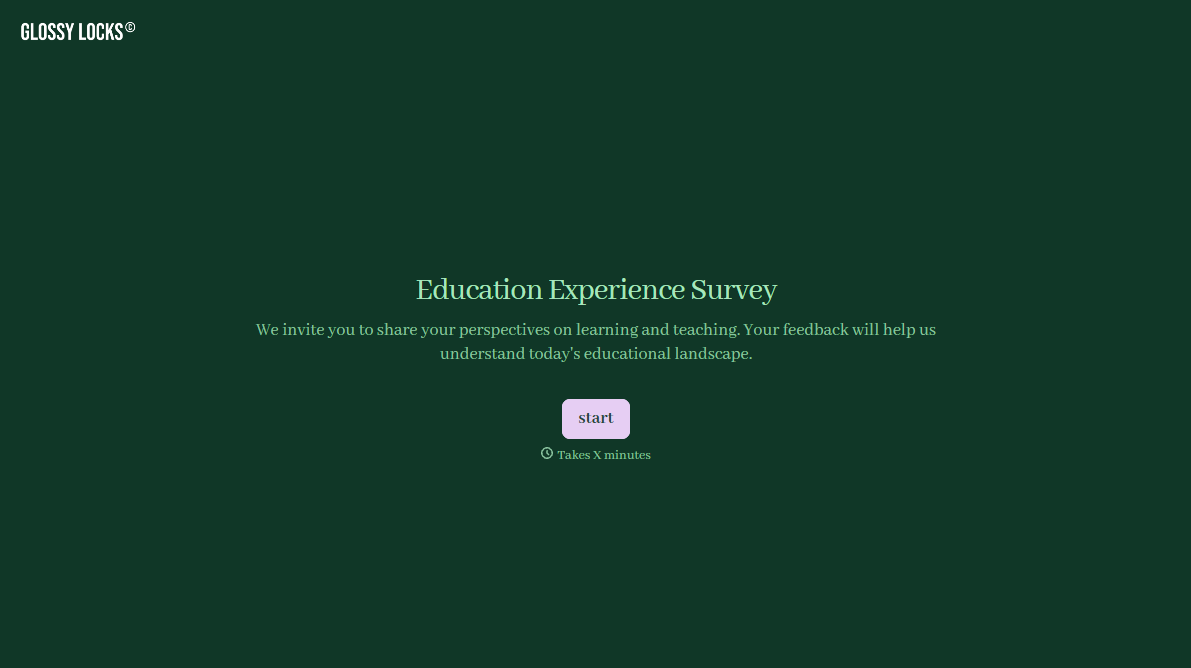
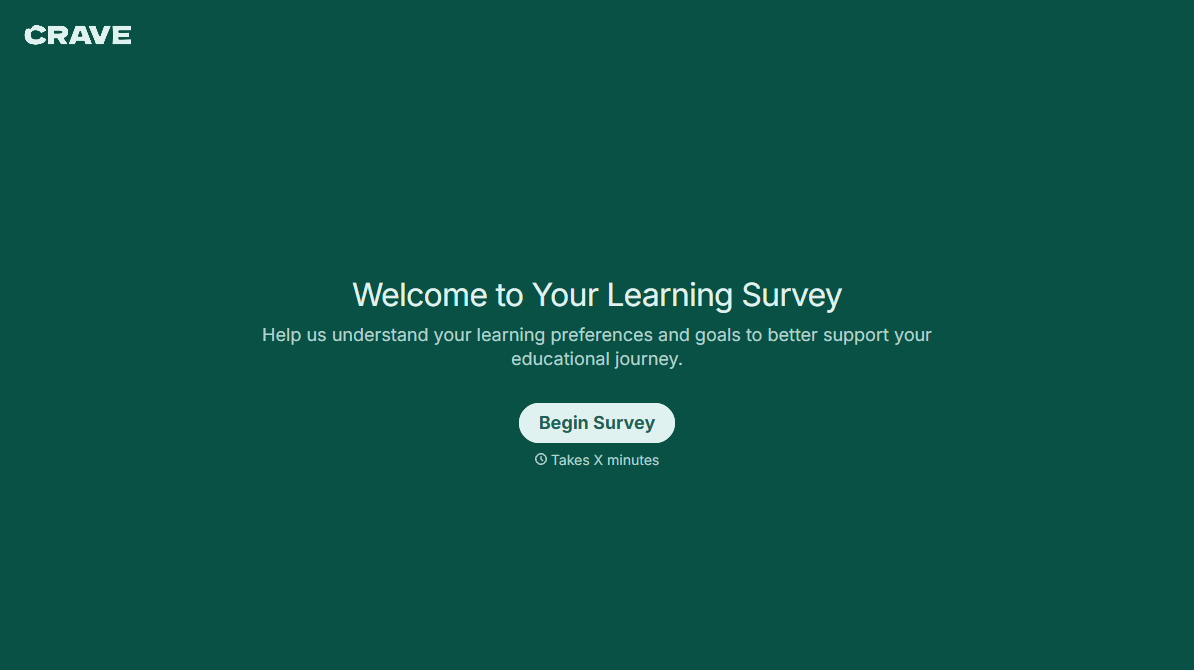
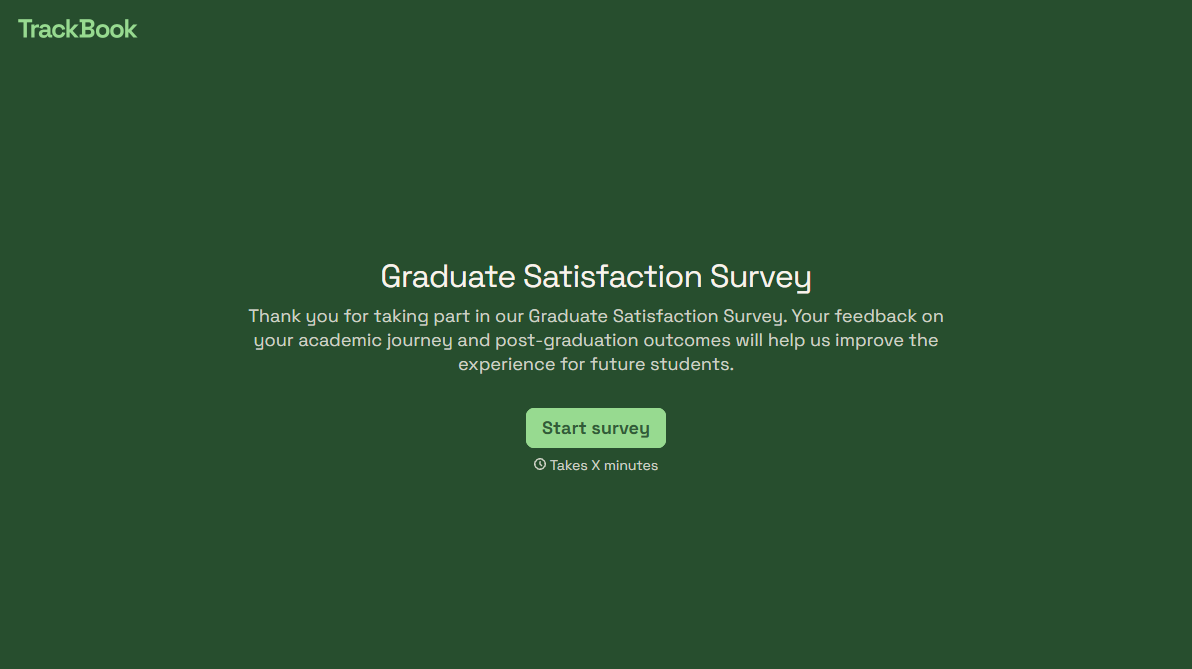
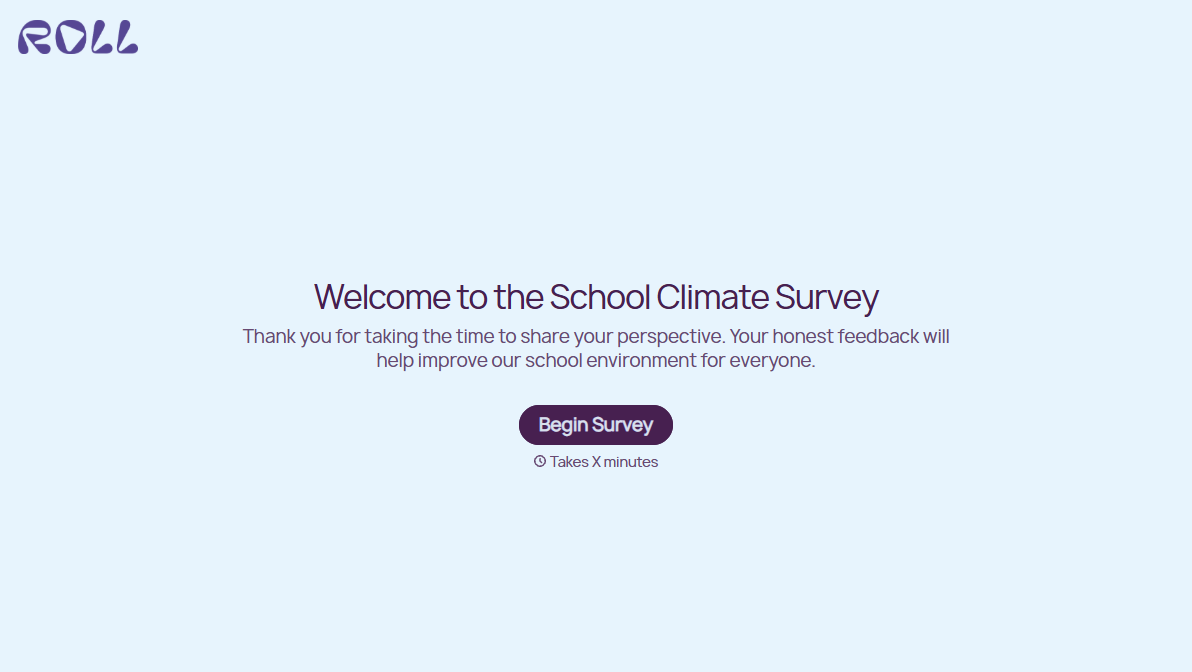

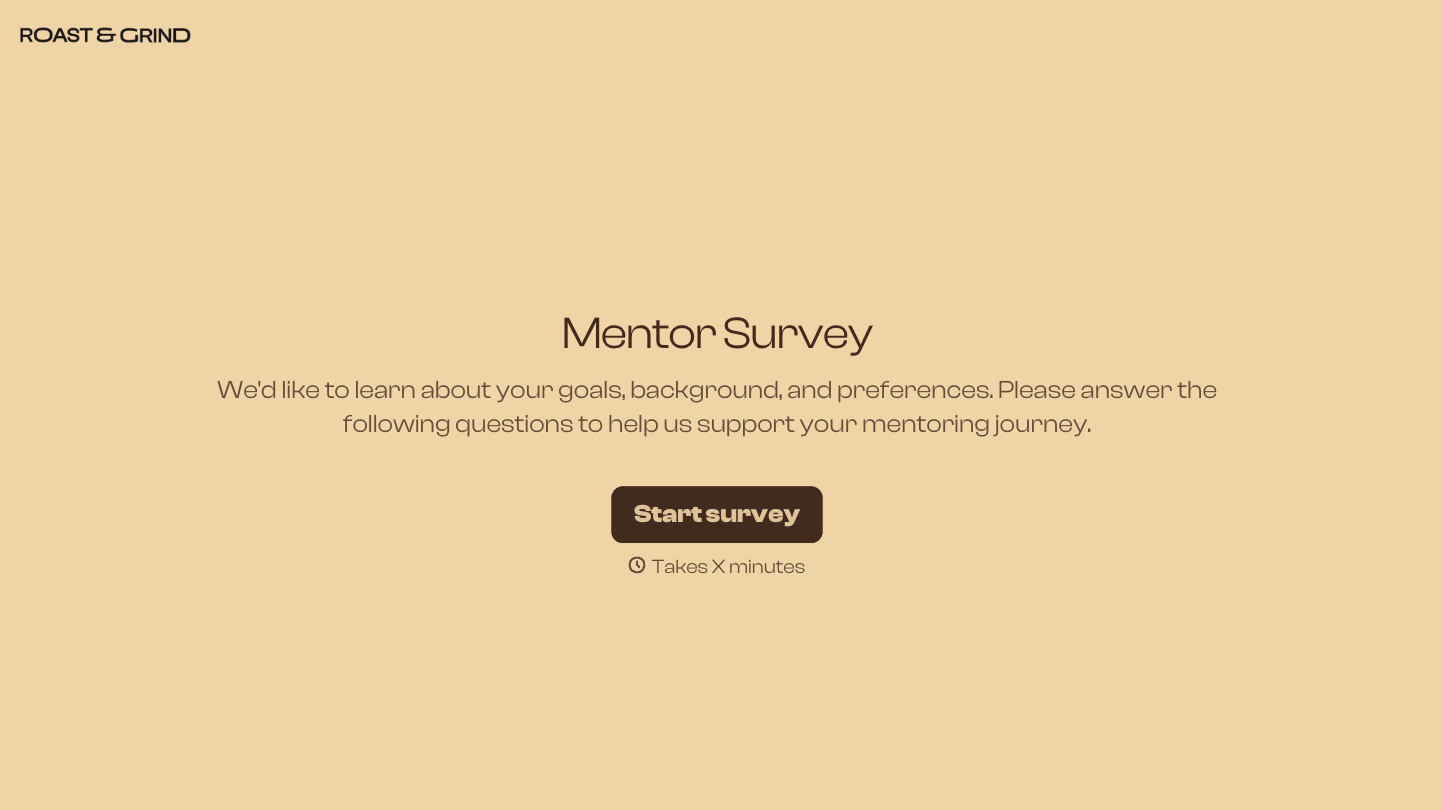
With Typeform, you can customize everything
Change text, colors, and even logos to match the look and feel of your brand. Then embed forms smoothly onto web and email.
Make forms feel effortless to fill out. Pace questions, call people by their name, and adapt the flow based on the data they share.
Stay efficient by connecting forms to your workflow. Typeform integrates with 300+ tools including Slack, Zapier, and HubSpot.