Employee Exit Interview Form Template
Turn exit interviews into answers, before the next person walks out the door.



Exit interviews are one of the most valuable feedback channels an organization has—yet, it is one of the most consistently wasted. A rushed in-person conversation on someone's last day, when they're distracted, relieved, or just trying to get out the door, produces polished, diplomatic answers—not honest ones. The real reasons people leave rarely make it into the official record.
Typeform's employee exit interview form gives HR teams and managers a structured way to collect candid, documented feedback from departing employees, on their own time. It captures tenure, role and department, primary reason for leaving, experience with management and team culture, compensation and growth feedback, and what—if anything—would have changed their decision. Conditional logic digs deeper based on the departure reason: someone leaving for a competitor sees different follow-up questions than someone leaving for personal reasons or a career change.
Customize question categories to match your organization's priorities. Send the form in the final week of employment—distance from the day-to-day makes answers more honest, and honest answers are the only ones worth collecting. Connect submissions to your HRIS or Google Sheets via Zapier, so feedback is logged by department and tenure, ready to surface patterns across time.
An employee exit interview form is a structured questionnaire that collects candid feedback from departing employees about their experience, reasons for leaving, and what the organization could do differently. It turns an often-rushed final conversation into a documented, consistent record that HR and leadership can use to identify retention risks and workplace patterns.
In-person exit interviews put departing employees on the spot. They're face-to-face with someone they may not trust entirely, on a day when they're already preoccupied. A form they can complete privately and at their own pace tends to produce more honest responses. The form’s structure also ensures every departing employee answers the same questions, which makes patterns visible across the organization over time.
Gather the feedback that actually informs retention decisions:
- Role, department, and tenure
- Primary reason for leaving
- Secondary factors that influenced the decision
- Experience with direct manager and leadership
- Team culture and collaboration
- Compensation and benefits assessment
- Career growth and development opportunities
- What the organization could have done differently
- Whether they would consider returning in the future
- Whether they would recommend the organization to others
Filter submissions by department and tenure to identify where the patterns are strongest. If multiple people in the same team cite the same manager or the same growth concern, that's not a coincidence; it's a signal. Share aggregated themes with department heads quarterly—not individual responses—to protect confidentiality while still making the data actionable. Track whether retention improves in areas where changes were made.
Send it in the employee's final week, after the resignation is processed but before their last day. Too early and they're still emotionally in the role; too late and they've mentally moved on. Include a note that their responses will be kept confidential and will directly inform how the organization improves. This increases completion rates and response quality.
Get inspired by relevant templates and categories
3200+ Templates, 300+ Integrations
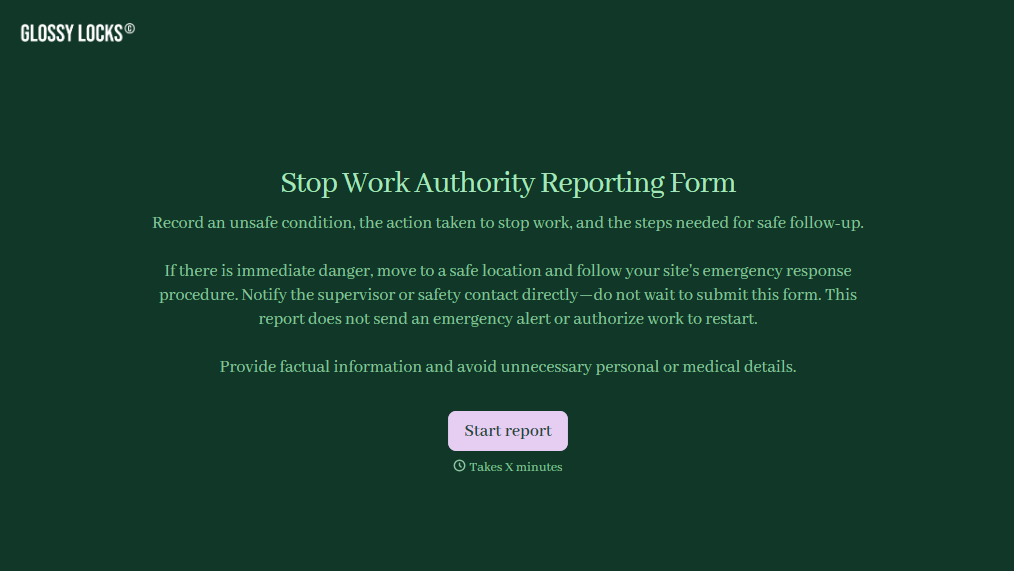
Stop Work Authority Reporting Form
Give employees a straightforward way to report unsafe working conditions and document stop work decisions with a form that collects hazard details, incident locations, and corrective actions. Keep safety reports organized so supervisors can address workplace risks, track resolutions, and support a safer working environment.
View template
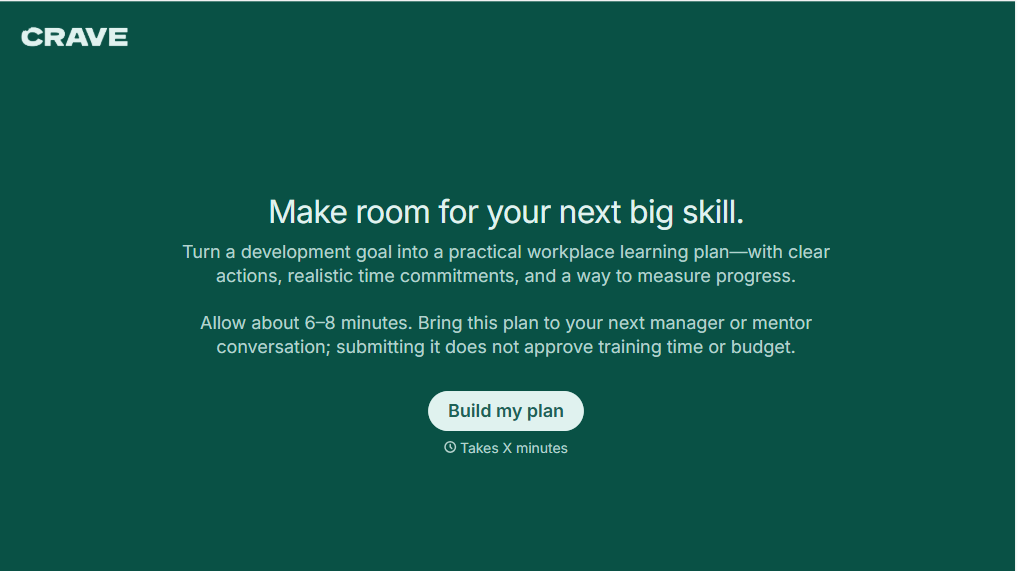
Workplace Learning Plan Form
Help employees and managers create structured professional development plans with a form that collects learning goals, skill gaps, and training preferences. Keep development priorities organized so teams can track progress, identify learning opportunities, and support employee growth in the workplace.
View template

Officer Daily Patrol Checklist Form
Give security teams and law enforcement agencies an easy way to document daily patrol activities with a form that collects officer information, inspection results, and incident details. Keep patrol records organized so supervisors can monitor assigned duties, identify safety concerns, and maintain accurate documentation of daily operations.
View template


Point of Sale Agreement Extension Form
Give businesses a straightforward way to request extensions to existing point of sale agreements with a form that collects contract details, extension terms, and authorization information. Keep requests organized so service providers can review agreements, coordinate renewals, and maintain accurate contract records.
View template
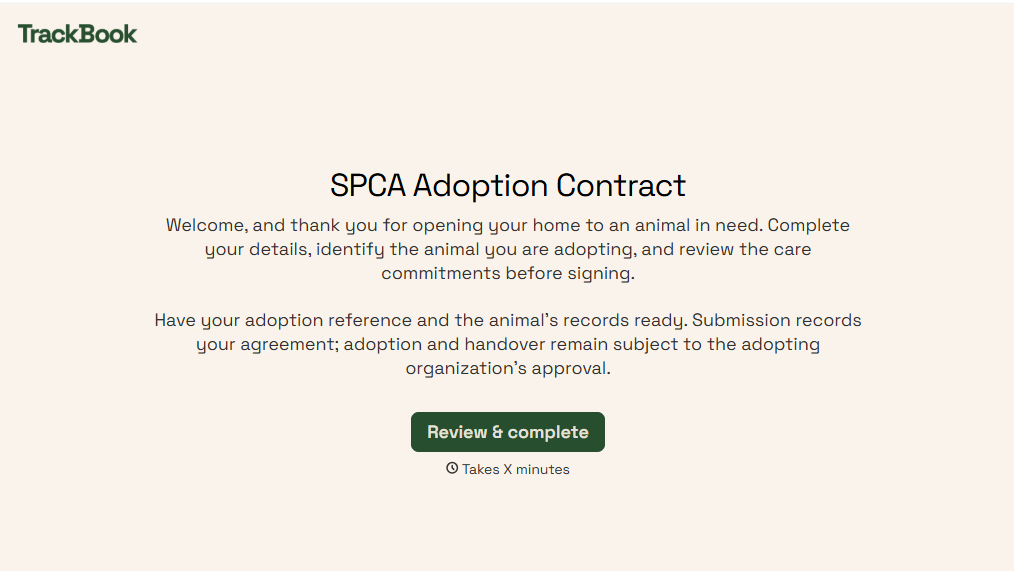
SPCA Adoption Contract Form
Give animal shelters an efficient way to finalize pet adoptions with a form that collects adopter information, pet details, and adoption agreements. Keep records organized so your team can verify requirements, document responsibilities, and help animals transition into their new homes.
View template
With Typeform, you can customize everything
Change text, colors, and even logos to match the look and feel of your brand. Then embed forms smoothly onto web and email.
Make forms feel effortless to fill out. Pace questions, call people by their name, and adapt the flow based on the data they share.
Stay efficient by connecting forms to your workflow. Typeform integrates with 300+ tools including Slack, Zapier, and HubSpot.