Employee Experience Survey
Track the employee experience at every stage, from onboarding to career development to long-term cultural fit, so HR catches what a single engagement score misses.



Annual surveys and exit interviews capture only two moments in the employment relationship: the survey cycle and the departure. Onboarding quality, day-to-day work experience, access to development, and belonging often go unmeasured until someone leaves. Typeform's employee experience survey gives HR a complete picture across every stage of employment, not just the bookends.
The survey covers onboarding experience, role clarity, manager relationship quality, team belonging, development access, compensation, and overall organizational culture. Typeform walks employees through one dimension at a time, so the survey feels manageable rather than overwhelming. Conditional logic routes the survey based on an employee's tenure and role. New hires see onboarding and early impression questions, while tenured employees answer questions about development and long-term cultural fit.
Customize the dimensions, tenure segments, and follow-up questions to match your organization's structure, culture, and current HR priorities. Share it annually, semi-annually, or at key tenure milestones via email or your HR platform. Every response flows into Google Sheets via Zapier, where HR compares results across tenure bands and experience dimensions. Leadership sees every dimension of the employee journey in one place and prioritizes the improvements that matter most.
An employee experience survey measures how employees experience the organization at every stage of employment. It captures experience ratings across key dimensions: onboarding quality, role clarity, manager relationship, team belonging, growth opportunities, compensation, and culture. Organizations that run employee experience surveys consistently know exactly where to invest in the employee experience.
Poor onboarding and limited development are among the most consistent predictors of early turnover. Neither surfaces in an annual engagement survey unless someone specifically asks about them. An employee experience survey asks about them consistently, and in a clear format, so HR catches the friction before an employee decides to leave.
Gather everything needed for a complete picture of the employment relationship:
- How supported they felt during onboarding
- Whether their role is clear, their workload is manageable, and they find their day-to-day work satisfying
- How well their manager communicates and supports them
- Whether they feel like they belong on their team and can speak up without hesitation
- Whether they have access to development opportunities and can see a path for growth
Add a tenure question at the start and use conditional logic to route each employee to questions relevant to their stage of employment. New hires answer about onboarding and early support, employees past one year answer about development, trajectory, and long-term fit. This keeps every respondent's survey specific to their stage without requiring HR to build or manage separate surveys for each group.
Cross-reference satisfaction scores by tenure band and department to find where dissatisfaction is highest—by stage and by team. Low onboarding scores at 90 days and low development scores at 18 months each require different interventions. Targeted interventions at the stage where experience breaks down reduce turnover more effectively than broad company-wide initiatives.
Get inspired by relevant templates and categories
3200+ Templates, 300+ Integrations
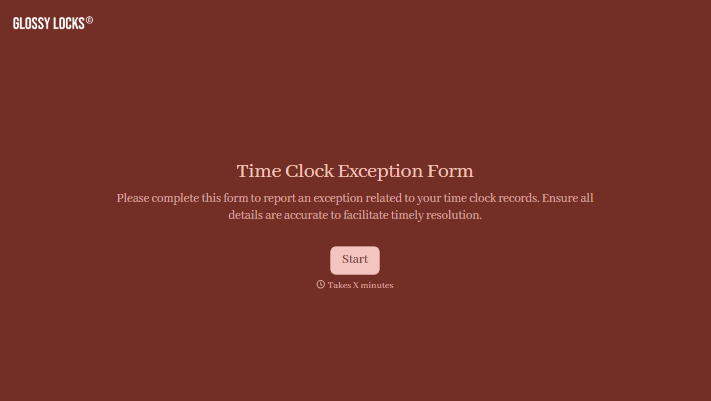
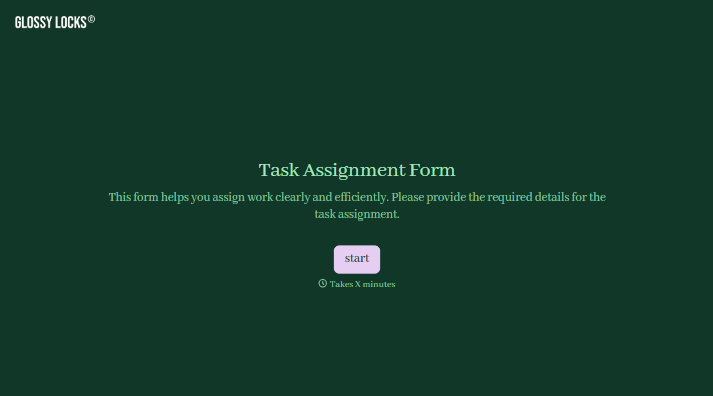
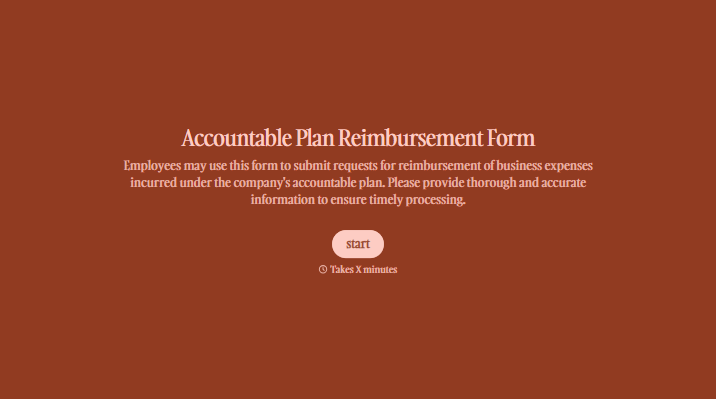
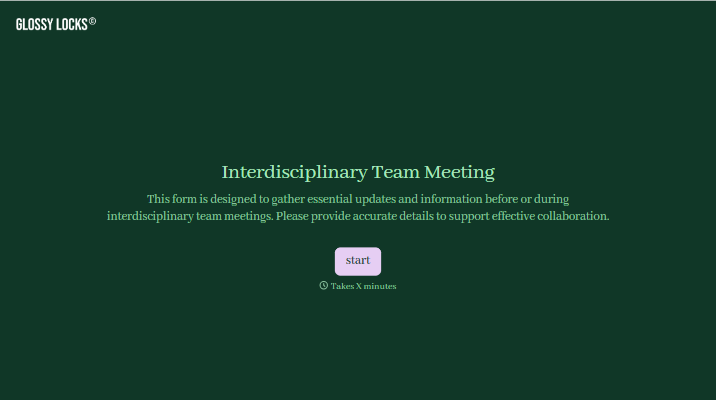
With Typeform, you can customize everything
Change text, colors, and even logos to match the look and feel of your brand. Then embed forms smoothly onto web and email.
Make forms feel effortless to fill out. Pace questions, call people by their name, and adapt the flow based on the data they share.
Stay efficient by connecting forms to your workflow. Typeform integrates with 300+ tools including Slack, Zapier, and HubSpot.