Employee Grievance Form Template
Give employees a formal, documented way to raise concerns — and give HR a structured record.



Unresolved workplace grievances don't disappear — they grow. Whether the issue is a conflict with a manager, a perceived policy violation, discrimination, or working conditions, employees need a clear, formal channel to raise concerns without fear that the process itself is stacked against them. A grievance form provides that channel and creates the documentation both parties need.
This template captures the employee's details, the date the issue occurred or began, a description of the grievance, the names of anyone involved, any prior steps taken to resolve the issue informally, what outcome the employee is seeking, and whether they're requesting confidentiality. A signature confirms the submission is accurate and intentional.
Submissions can be routed directly to HR, a designated grievance officer, or a senior manager — depending on your organization's structure. The timestamped record protects both the employee who filed and the organization responding, and creates the documentation trail needed if the issue escalates to a formal hearing or legal proceedings.
Formal grievances typically cover: policy violations, workplace harassment or discrimination, unfair treatment, health and safety concerns, and disputes over disciplinary actions. Minor interpersonal conflicts are usually better handled through informal channels first — the form introduction can guide employees on when formal versus informal resolution is appropriate.
Most employment laws and organizational policies prohibit retaliation against employees who file grievances in good faith. Document the date and time of every grievance submission and all subsequent interactions, so there's a clear record if a retaliation claim arises. Your anti-retaliation policy should be referenced on the form.
Best practice is to acknowledge receipt within 2–5 business days and provide a substantive response within 15–30 days, depending on complexity. Your grievance policy should specify these timelines, and the form confirmation should communicate them to the employee so they know what to expect.
Truly anonymous grievances are difficult to investigate — you can't follow up with the filer, gather their account in detail, or inform them of the outcome. Some organizations accept anonymous reports for informational purposes, with the understanding that anonymous submissions may limit their ability to take formal action. Be transparent about this on the form.
Keep the original submission, all correspondence related to the investigation, notes from any interviews conducted, the findings, and the resolution. Maintain these separately from the employee's general personnel file. Retain them for as long as required by your jurisdiction's employment law — typically a minimum of 3–7 years.
Get inspired by relevant templates and categories
3200+ Templates, 300+ Integrations
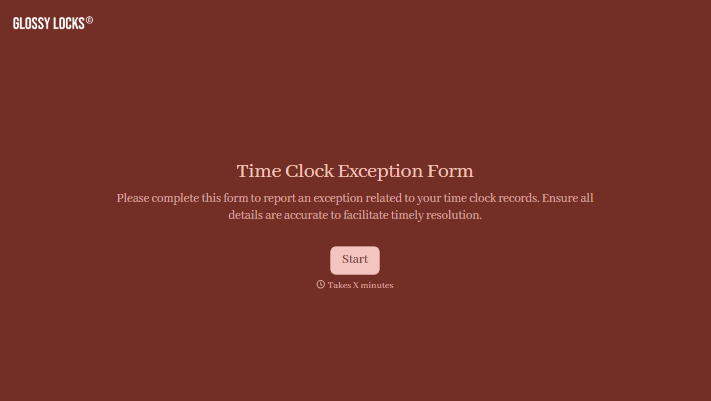
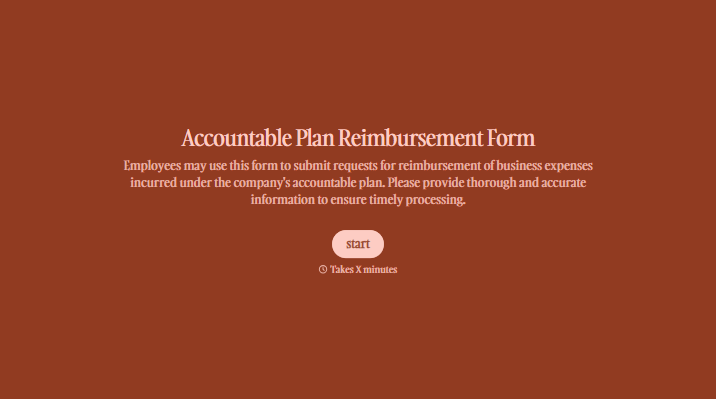
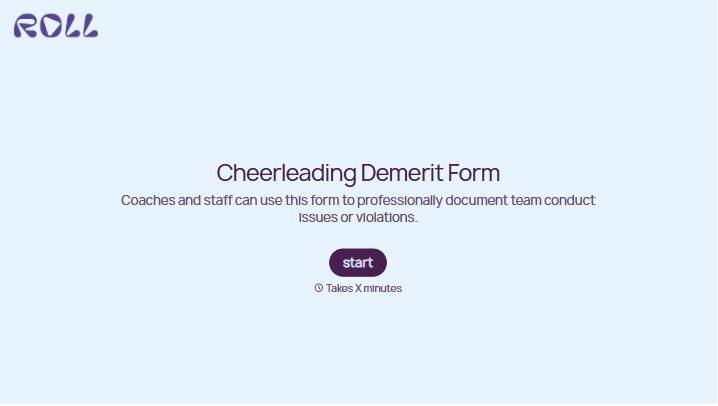
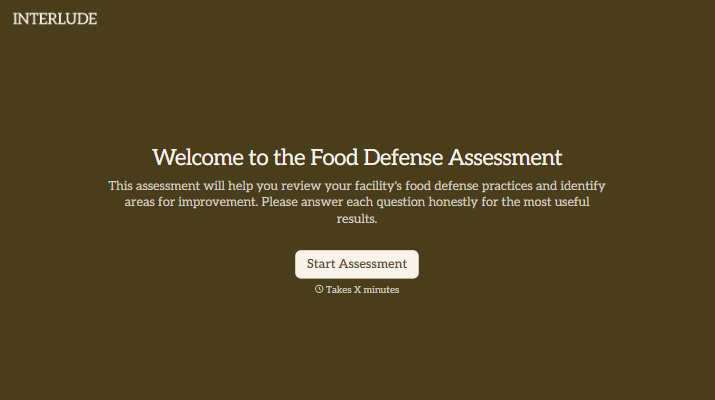
With Typeform, you can customize everything
Change text, colors, and even logos to match the look and feel of your brand. Then embed forms smoothly onto web and email.
Make forms feel effortless to fill out. Pace questions, call people by their name, and adapt the flow based on the data they share.
Stay efficient by connecting forms to your workflow. Typeform integrates with 300+ tools including Slack, Zapier, and HubSpot.