Interview Consent Form Template
Get clear, documented consent before recording or publishing interview content. This template covers the permissions you need in a format respondents can complete quickly.



Using recorded interview content without documented consent — whether for journalism, research, podcasting, or marketing — creates legal and ethical exposure. Even when someone verbally agrees to an interview, that's not the same as written consent specifying how the content will be used and for how long.
A digital consent form closes that gap. Respondents can review and sign before the interview begins, or you can send the form in advance as part of scheduling. Typeform's conditional logic can surface additional clauses based on the intended use — a research interview might require IRB-specific language, while a commercial testimonial needs broader usage rights.
Customize the consent language for your context, and you'll have a clean record of authorization for every interview you conduct.
An interview consent form is a document that records a participant's agreement to be interviewed and specifies how the resulting content — recording, transcript, quotes, or other materials — may be used. It defines the scope of consent: what was agreed to, by whom, and for what purpose.
It protects both parties. The interviewer has documented proof of consent to use the content as specified. The interviewee has clarity on how their words or image will appear. For researchers, this documentation is often required by institutional review boards. For journalists and content creators, it's a standard safeguard against disputes.
The form should capture identity, the nature of the interview, and the specific permissions granted. Consider including:
- Interviewee's full name and contact information
- Date and medium of the interview (in-person, video, phone)
- Purpose and description of the project
- Permission to record (audio/video)
- How the content will be used (publication, broadcast, research, marketing)
- Whether the interviewee wants to review quotes before publication
- Consent to be identified by name, or request for anonymity
- Signature and date
Include an option for the interviewee to request anonymity and specify how they'd like to be referenced. A conditional branch can capture their preferred pseudonym or descriptor. Make sure your consent form language reflects that their identity will be protected even as their content is used.
A digitally signed consent form is generally legally binding, but requirements vary by jurisdiction and context. For academic research, check your IRB's requirements for electronic consent. For commercial use, consult a media lawyer if you're unsure. The key elements are that the consent was informed (the interviewee understood what they were agreeing to) and documented (you have a timestamped record of the agreement).
Get inspired by relevant templates and categories
3200+ Templates, 300+ Integrations
Bank Reference Form
A reference request faxed to a bank branch and left sitting in a queue for weeks isn't the kind of turnaround a landlord or business can wait on. Collect the applicant's signed authorization and the specific details you need confirmed before the request even reaches the bank, so a decision isn't stuck behind a letter that hasn't come back yet.
View template
Bar Inventory Form
A bottle count eyeballed at the end of a shift and scrawled on a paper sheet doesn't hold up against a pour cost report that says something doesn't add up. Collect what your bar actually needs, item, count, and variance, on a schedule you can actually compare week to week.
View template
Equipment Inventory Form
Equipment that leaves a storage room in someone's arms, with no note about where it went, doesn't show up again until someone needs it and can't find it. Collect what your team actually needs, item details, condition, and who's got it, every time something moves.
View template
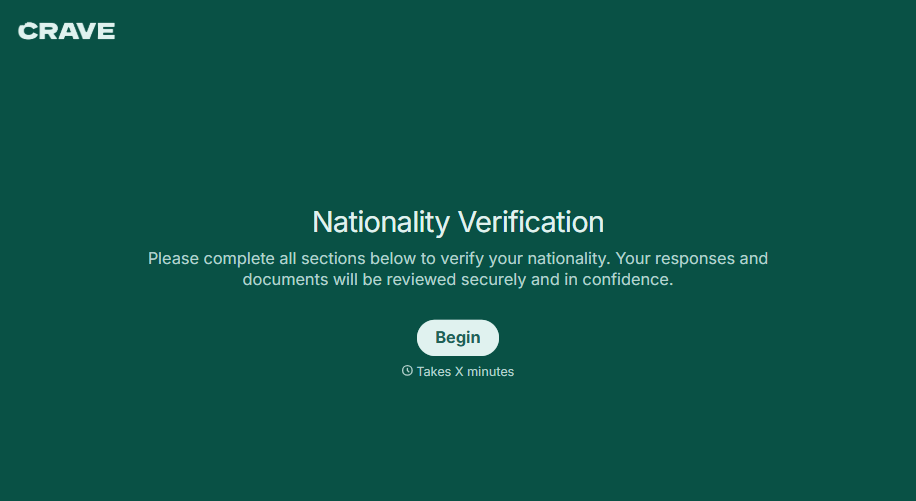
Nationality Verification Form
A self-certification buried in a stack of new account paperwork isn't the kind of record a compliance team can rely on for a regulatory filing. Collect nationality, tax residency, and a signed declaration before an account opens, so compliance isn't chasing down a customer's citizenship status after the fact.
View template
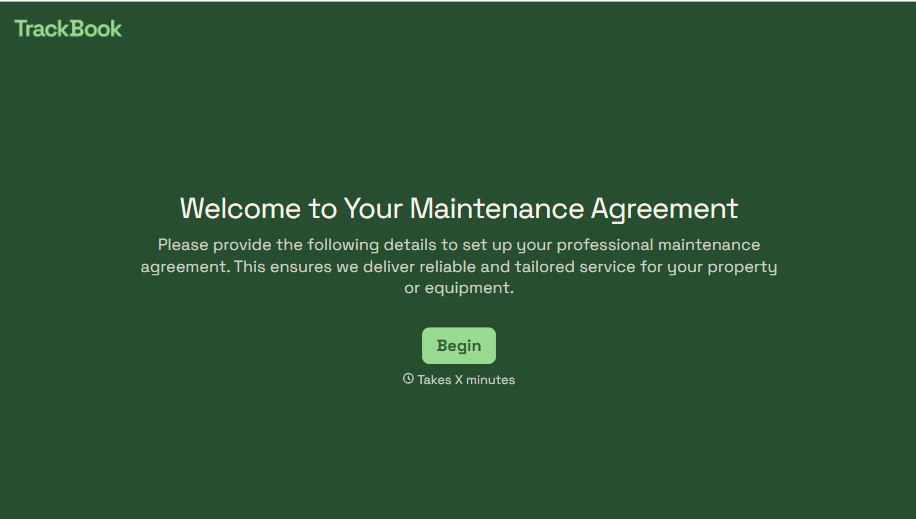
Maintenance Agreement Form
A maintenance plan agreed to over the phone isn't a contract your service team can actually work from, especially when nobody's sure whether the twice-a-year tune-up was part of the deal. Collect the equipment covered, service frequency, and a signed agreement before the first visit, so your team isn't guessing at scope once they're on-site.
View template
With Typeform, you can customize everything
Change text, colors, and even logos to match the look and feel of your brand. Then embed forms smoothly onto web and email.
Make forms feel effortless to fill out. Pace questions, call people by their name, and adapt the flow based on the data they share.
Stay efficient by connecting forms to your workflow. Typeform integrates with 300+ tools including Slack, Zapier, and HubSpot.