Market Research Survey
Collect validated data on consumer preferences, buying behavior, and willingness to pay directly from your target audience, so product and marketing decisions are built on evidence, not assumptions.



Older market reports and third-party studies show what a broad market looked like before, but not necessarily what your specific audience thinks now. Teams that skip up-to-date research solve the problem they imagine exists, not the market’s real friction points. Typeform's market research survey gives teams a structured way to validate assumptions with their target audience before committing resources.
The survey captures demographics, product usage patterns, purchase drivers and barriers, willingness to pay, and unmet needs existing solutions miss. Questions appear one at a time, so respondents give complete, considered answers rather than skimming multiple fields at once. Conditional logic adapts the survey based on a respondent's current usage or role. Competitive product users see questions about pain points and switching triggers, while non-users answer questions about category awareness and intent.
Customize the product category, demographic segments, competitive set, and pricing questions to match your research objectives and audience definition. Share it via email panel or targeted social ads to reach respondents who match your exact target market profile. Responses feed into Google Sheets via Zapier so your team analyzes findings by demographic segment and willingness to pay. Build every product, pricing, and positioning decision from what your target market actually prefers and communicated.
A market research survey is a structured questionnaire designed to collect data about consumer behaviors, preferences, needs, competitive perceptions, and market dynamics. It's used by businesses to validate product ideas, understand target audiences, test pricing strategies, evaluate brand perception, and identify opportunities or threats in their competitive landscape. It's one of the most cost-effective primary research methods available.
Most product launches that fail do so, not from poor execution, but from misreading what the market actually wanted. Validating core assumptions about target market and consumer preferences before committing to a roadmap or pricing model costs far less than correcting a misaligned launch. A market research survey validates those assumptions before teams make the investment, not after the money’s already spent.
Screen for the right information from the start:
- Demographic and segment data, such as age, role, company size, and industry
- Current product usage, including what they use now, how often, and what they pay
- Purchase decision drivers and barriers, such as what causes them to buy and what prevents them
- Willingness to pay, using open-ended or range-based pricing questions
- Unmet needs and frustrations with existing solutions
Add a screening section at the start so only respondents who match your target market reach the full questionnaire. Targeted social ads and research panels produce more qualified respondents than open links because distribution matches your target market definition. Use conditional logic to route non-qualifying respondents to a polite close, keeping your dataset clean without interrupting qualified respondents.
Segment responses by demographic, current usage, and willingness to pay in Google Sheets to identify your highest-intent audience profile. Patterns across segments indicate broad demand, while single-group patterns suggest a niche rather than a primary market. Use findings to replace assumptions in your product brief, pricing, and positioning with real data from the people you're building for.
Get inspired by relevant templates and categories
3200+ Templates, 300+ Integrations
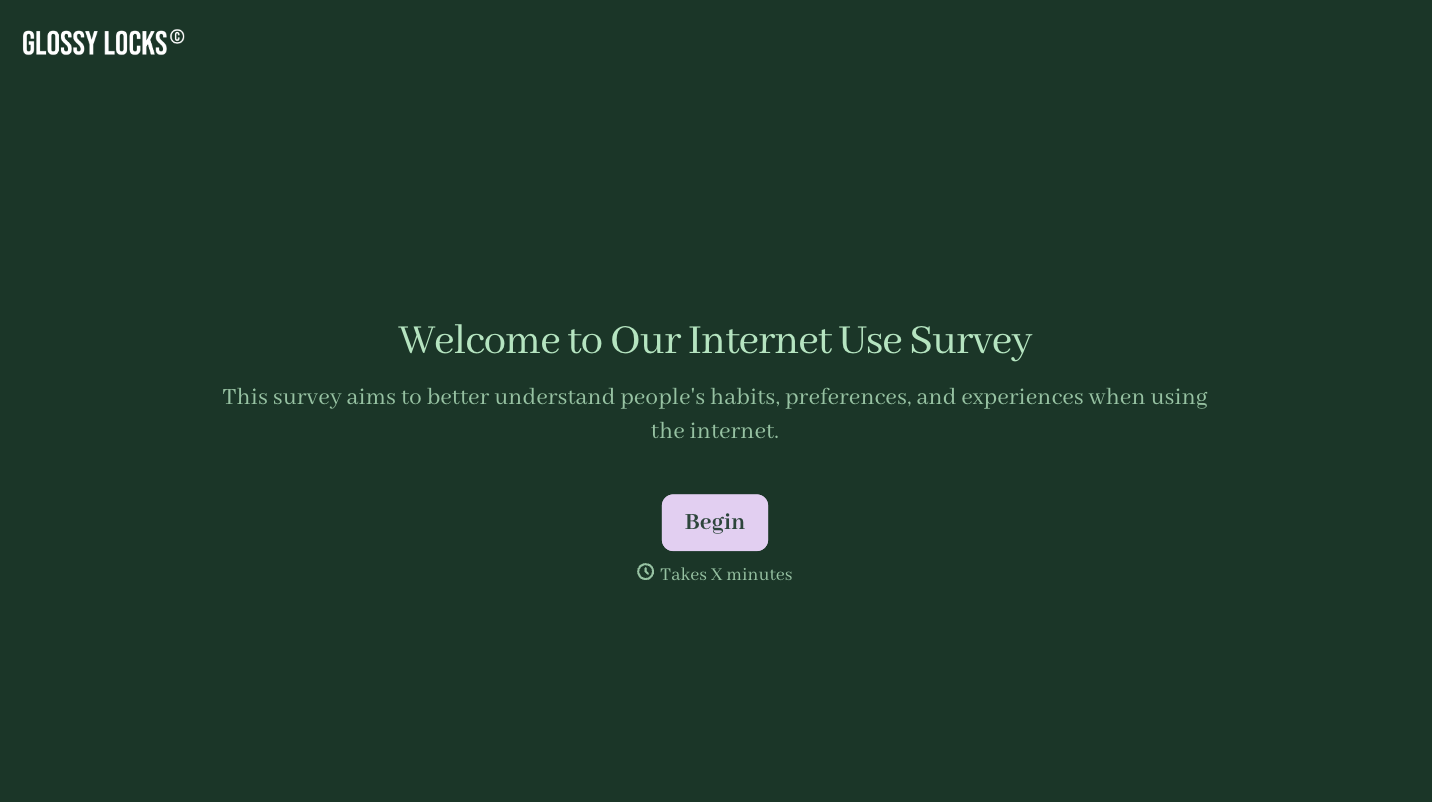

With Typeform, you can customize everything
Change text, colors, and even logos to match the look and feel of your brand. Then embed forms smoothly onto web and email.
Make forms feel effortless to fill out. Pace questions, call people by their name, and adapt the flow based on the data they share.
Stay efficient by connecting forms to your workflow. Typeform integrates with 300+ tools including Slack, Zapier, and HubSpot.