Market Study Survey Form Template
Dig deeper than surface-level data, because "interesting" isn't actionable.



A market research survey tells you what people think. A market study goes further. It tells you why they think it, what it means for your business, and where the opportunity lives. Market studies combine consumer data with competitive analysis, industry trends, and economic context to paint a complete picture. But the data collection phase is often where things fall apart: poorly structured surveys that ask the wrong questions and return data that doesn't connect.
This market study survey form template is designed for depth. Typeform's conditional logic branches respondents into segments based on early answers. Decision-makers see different questions than end users, enterprise buyers see different scenarios than SMBs. The one-question-at-a-time format holds attention through longer surveys, which is essential when you need more than yes/no responses.
Connect results to your BI tools or spreadsheets through integrations. Layer the survey data with your existing competitive intelligence, and you've got the foundation for strategic decisions backed by evidence, not intuition.
A market study survey is an in-depth data collection instrument used as part of a broader market analysis. While a market research survey might focus on consumer preferences, a market study survey captures multiple dimensions. Buyer behavior, competitive positioning, pricing tolerance, channel preferences, and unmet needs. To support comprehensive market analysis and strategic planning. It's the fieldwork behind the final report.
Think of market research as reconnaissance and a market study as a full intelligence operation. A market research survey asks "Do people want this?" A market study survey asks "Who specifically wants this, how much will they pay, what alternatives are they considering, what would make them switch, and what market conditions affect demand?" The questions are deeper, the analysis is more rigorous, and the output informs strategy rather than a single decision.
- Respondent's role in purchasing decisions and organizational context
- Current solutions being used and satisfaction levels
- Specific pain points with existing solutions, ranked by severity
- Feature or capability prioritization (forced ranking or MaxDiff format)
- Pricing sensitivity using Van Westendorp or Gabor-Granger methodology
- Open-ended questions about industry trends they see shaping their decisions
Start with 2 to 3 segmentation questions early in the form — role, company size, industry, or use case. Typeform's conditional logic then branches each segment into a tailored question path. This ensures a CFO answers finance-relevant questions while a product manager answers product-relevant ones. The result is cleaner data that's already structured for segment-level analysis, saving hours of post-processing.
Market studies often target specific segments, so absolute numbers matter less than segment-level adequacy. Aim for at least 50 to 100 respondents per segment you want to analyze independently. If you're studying 3 buyer personas across 2 industries, that's 300 to 600 total respondents. For qualitative depth, even 20 to 30 well-targeted responses per segment can reveal actionable patterns — especially when combined with open-ended question analysis.
Get inspired by relevant templates and categories
3200+ Templates, 300+ Integrations
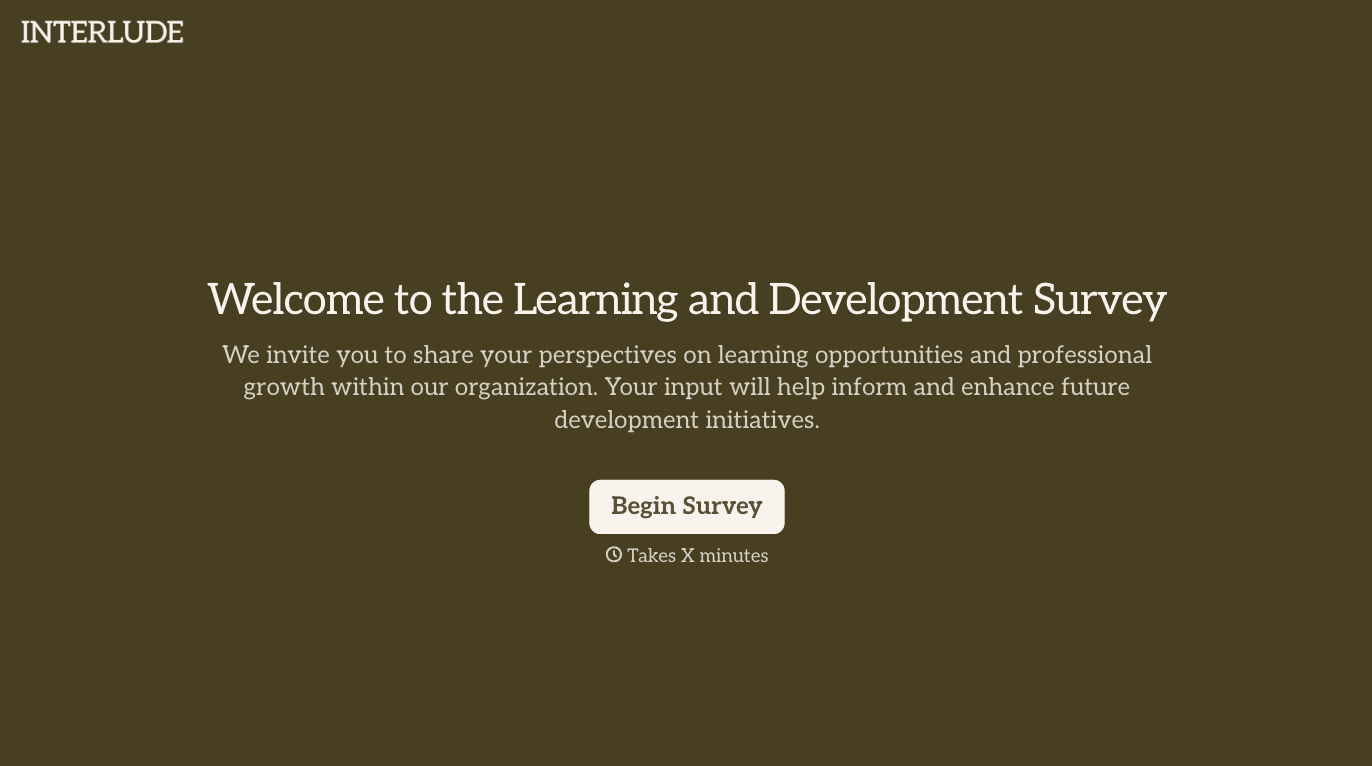
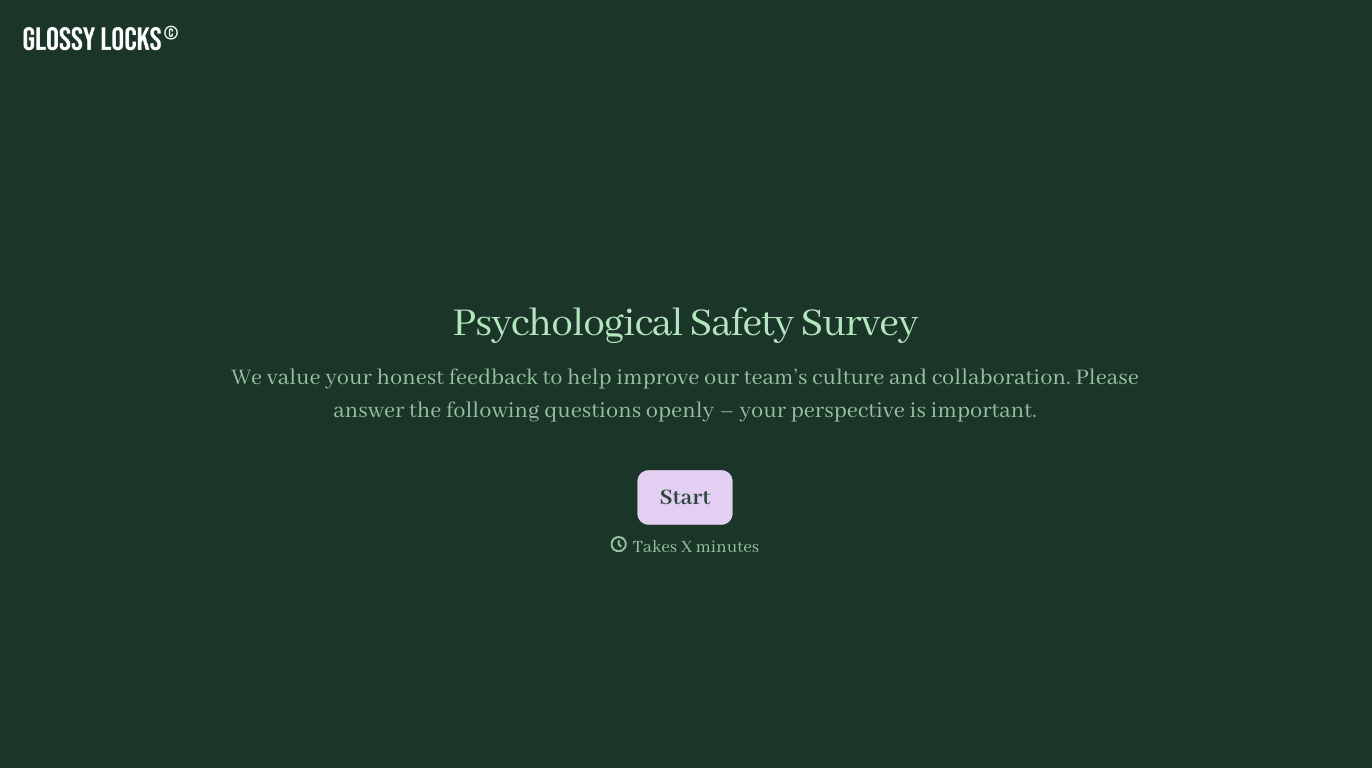
With Typeform, you can customize everything
Change text, colors, and even logos to match the look and feel of your brand. Then embed forms smoothly onto web and email.
Make forms feel effortless to fill out. Pace questions, call people by their name, and adapt the flow based on the data they share.
Stay efficient by connecting forms to your workflow. Typeform integrates with 300+ tools including Slack, Zapier, and HubSpot.