NDIS Support Plan
Move past a support plan that lists services and calls it done. Confirm what actually has to be authorised before it's delivered, document it the way the NDIS Commission requires, and keep a record that holds up if it's ever reviewed.



A support plan that includes any restrictive practice, chemical, mechanical, or physical restraint, seclusion, or restricting someone's access to their own environment, isn't something a provider can just write in and start doing. It has to be authorised by the relevant state or territory body, used only as a last resort and for the shortest time possible, and built into a behaviour support plan developed by a registered NDIS behaviour support practitioner, an interim plan within a month, a full plan within six. Once it's in place, authorised use has to be reported to the NDIS Quality and Safeguards Commission every month, and any use that wasn't authorised, including use while a plan is still pending approval, is a reportable incident on its own.
The cost of getting this wrong just went up substantially. Under the NDIS Integrity and Safeguarding Act 2026, civil penalties for serious breaches of the NDIS Code of Conduct rose from around $412,500 to 10,000 penalty units, roughly $3.64 million per contravention, and an unregistered individual providing high-risk supports like Supported Independent Living now faces up to two years in prison. A support plan isn't just a service description anymore, it's the document that shows whether what's actually being delivered matches what was authorised.
Typeform's NDIS support plan captures the participant's goals and funded support categories alongside any behaviour support or restrictive practice details, flagging anything that needs separate authorisation or a behaviour support practitioner's sign-off before it gets built into day-to-day delivery, with conditional logic routing a plan that includes a restrictive practice to the additional documentation the Commission actually requires. Every completed plan becomes a timestamped record of what was agreed, what was authorised, and by whom, the file you want if a plan is reviewed, an incident gets reported, or the Commission asks to see how a specific support was actually being delivered.
An NDIS support plan documents how a provider will deliver the supports funded in a participant's NDIS Plan: the specific services, how they map to funded support categories, the participant's goals, and any behaviour support or restrictive practice details that require separate authorisation.
No. Any restrictive practice, chemical, mechanical, or physical restraint, seclusion, or environmental restriction, has to be authorised by the relevant state or territory body and built into a behaviour support plan developed by a registered NDIS behaviour support practitioner. Authorised use still has to be reported to the NDIS Quality and Safeguards Commission monthly, and any unauthorised use, including use while a plan is pending, is a reportable incident.
The consequences increased significantly under the NDIS Integrity and Safeguarding Act 2026. Civil penalties for serious Code of Conduct breaches now run up to 10,000 penalty units, roughly $3.64 million per contravention, and an unregistered individual providing high-risk supports like Supported Independent Living can face up to two years in prison. This isn't a minor compliance gap anymore, so a support plan needs to accurately reflect what's actually authorised.
Capture enough to reflect what's authorised and document what was agreed to:
- Participant name and NDIS number
- Goals from the participant's NDIS Plan
- Specific supports and how they map to funded support categories
- Any behaviour support strategies or restrictive practices, with authorisation details
- Review date and responsible provider or worker
- Signature confirming the plan was discussed and agreed to
Yes. Typeform's signature question lets the participant, their support person, or the provider sign by typing, drawing, or uploading their signature, time-stamps it the moment they submit, and locks the response so it can't be changed afterward, generating a PDF you can keep on file. It's available on Typeform's Growth Flow, Growth Custom, and Enterprise plans.
Get inspired by relevant templates and categories
3200+ Templates, 300+ Integrations
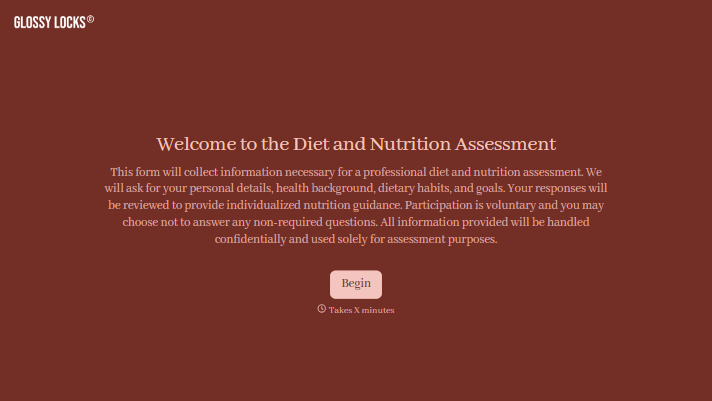
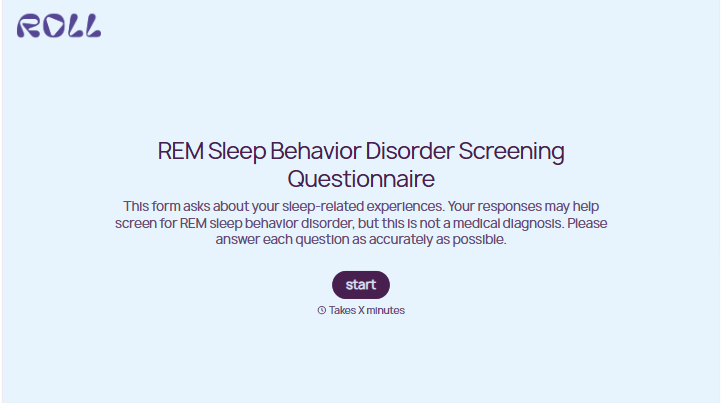
With Typeform, you can customize everything
Change text, colors, and even logos to match the look and feel of your brand. Then embed forms smoothly onto web and email.
Make forms feel effortless to fill out. Pace questions, call people by their name, and adapt the flow based on the data they share.
Stay efficient by connecting forms to your workflow. Typeform integrates with 300+ tools including Slack, Zapier, and HubSpot.