NPS Survey Form Template
Measure loyalty with 1 question, then understand it with the right follow-ups.



Net Promoter Score is deceptively simple: "How likely are you to recommend us?" But that single number only tells you where you stand. It doesn't tell you why. Most NPS surveys stop at the score, leaving you with a metric you can't act on. A 7 out of 10 is nice to know. Knowing that the 7 is because your onboarding is confusing and your support is outstanding — that's useful.
This NPS survey form template starts with the classic 0-to-10 question and then uses conditional logic to ask the right follow-up based on the score. Detractors (0 to 6) are asked what went wrong. Passives (7 to 8) are asked what would make them a promoter. Promoters (9 to 10) are asked what they love most. Every response gives you insight you can act on, not just a number you can report.
Deploy it after purchases, support interactions, onboarding milestones, or at regular intervals. Connect it to your CRM or analytics platform through integrations so NPS data lives alongside your other customer intelligence.
NPS. Net Promoter Score — is a customer loyalty metric based on a single question: "On a scale of 0 to 10, how likely are you to recommend [product/company] to a friend or colleague?" Respondents are grouped into Detractors (0-6), Passives (7-8), and Promoters (9-10). Your NPS is calculated by subtracting the percentage of Detractors from the percentage of Promoters, resulting in a score from -100 to +100.
NPS is one of the most reliable predictors of growth and retention. A high score means your customers are actively advocating for you. That's free marketing. A low score is an early warning system for churn. Tracking NPS over time reveals whether your product improvements, support changes, or pricing adjustments are actually moving the needle on customer sentiment.
- The core NPS question (0-10 likelihood to recommend)
- Open-ended follow-up: "What's the primary reason for your score?"
- Which product or feature they use most frequently
- How long they've been a customer
- Permission to follow up for more detailed feedback
- Any specific improvement they'd most like to see
Timing depends on your business. For transactional NPS, send immediately after a key interaction. Purchase, support resolution, onboarding completion. For relationship NPS, survey at regular intervals. Quarterly works for most businesses. Avoid surveying the same customer more than once every 90 days. Over-surveying causes fatigue and tanks your response rates, giving you less reliable data over time.
Context matters more than benchmarks. An NPS above 0 means you have more Promoters than Detractors, and that's a baseline. Above 30 is generally considered strong. Above 50 is excellent. Above 70 is world-class. But the most useful comparison is against your own past scores, not industry averages. A jump from 15 to 30 tells you more than knowing the "average" SaaS NPS is 40.
Get inspired by relevant templates and categories
3200+ Templates, 300+ Integrations
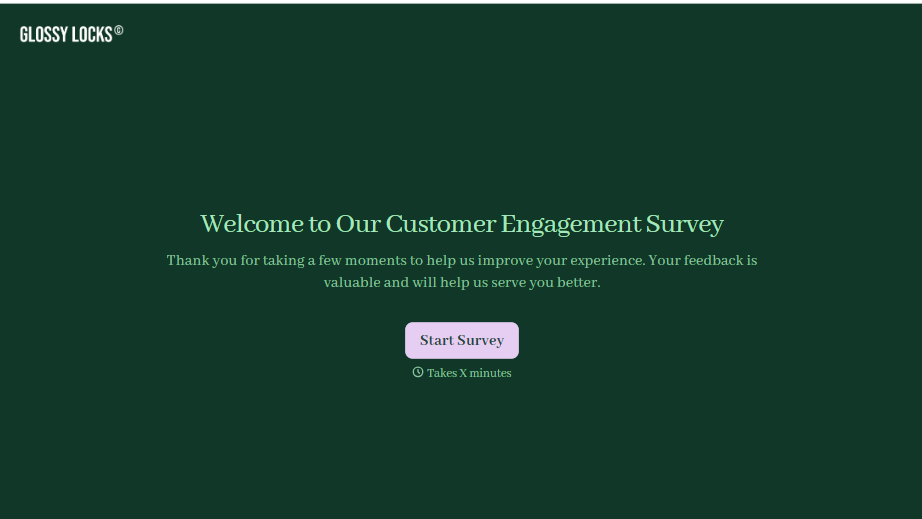
Customer Engagement Survey Form
A quarterly engagement survey blasted to the entire customer list, whether someone logged in yesterday or six months ago, gets back an average score nobody can act on. Ask the right question to the right customer, at the moment their actual behavior gives you something to ask about.
View template
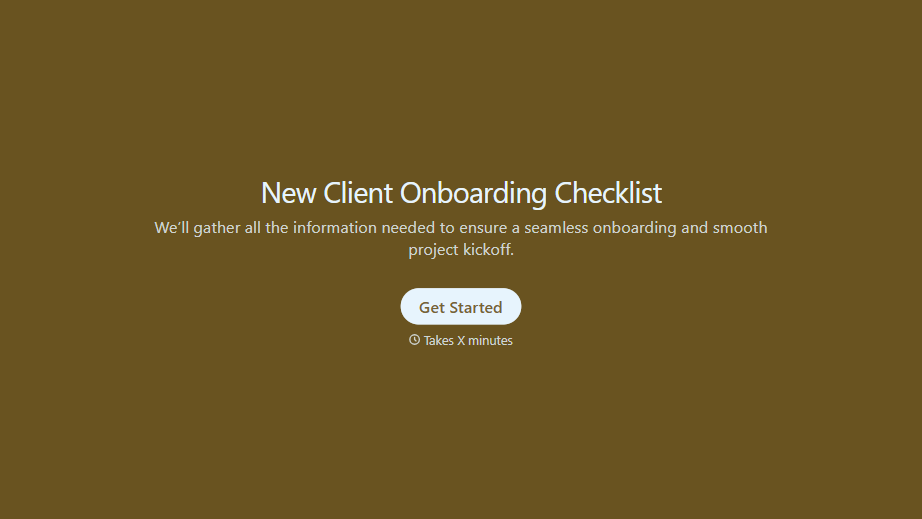
New Client Onboarding Checklist Form
A new client who's signed the engagement letter but never confirmed their billing entity, who's actually authorized to approve work, or where the invoice should go isn't onboarded, they've just signed something. Collect what your firm actually needs, contact and billing details, scope confirmation, a signed agreement, before the first invoice goes out.
View template
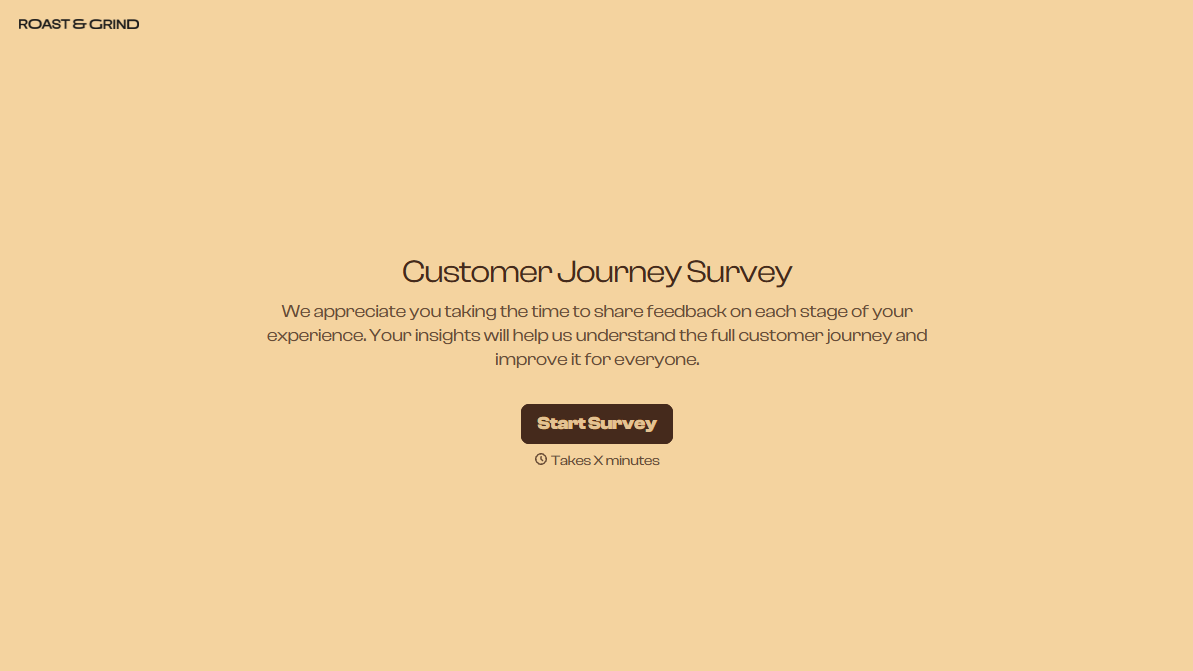
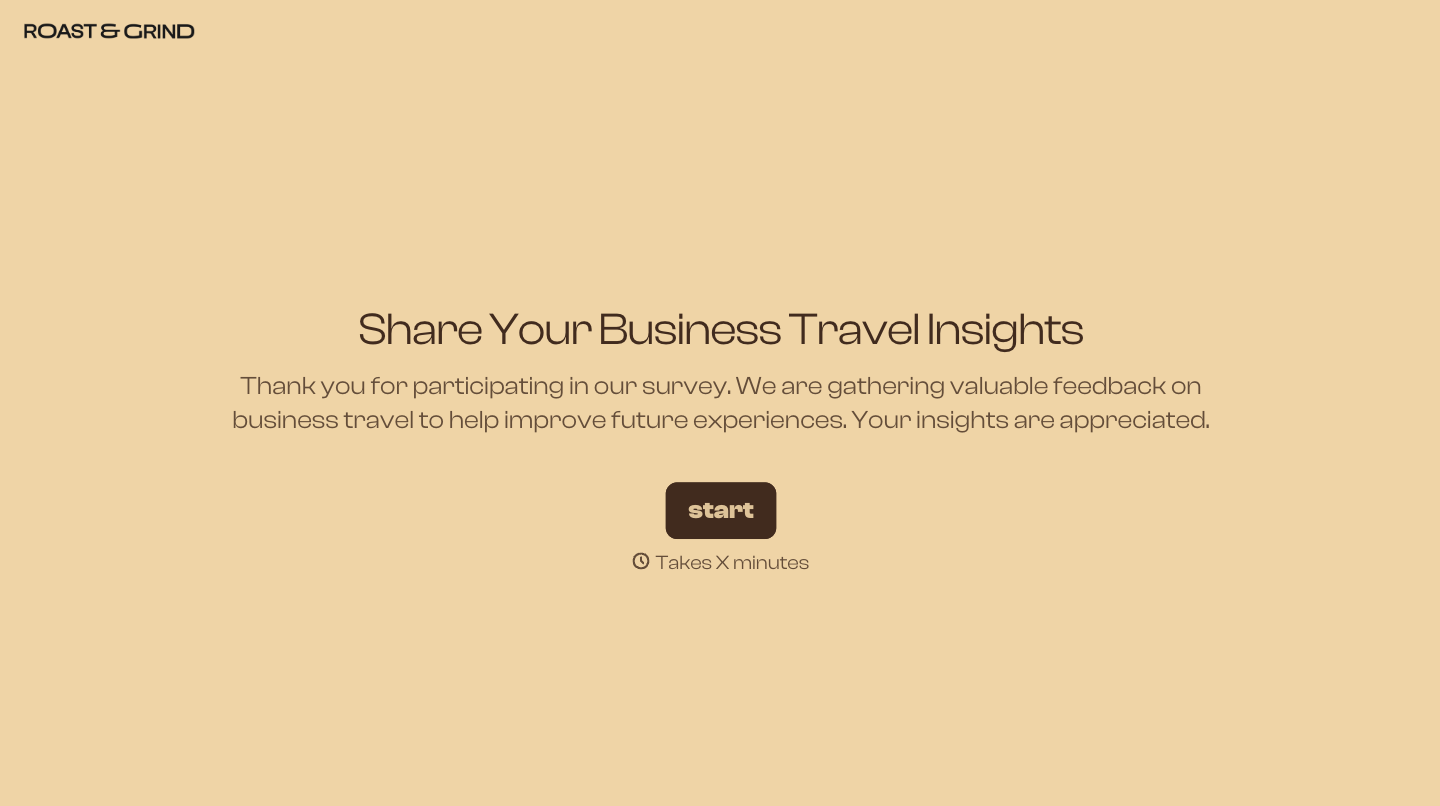
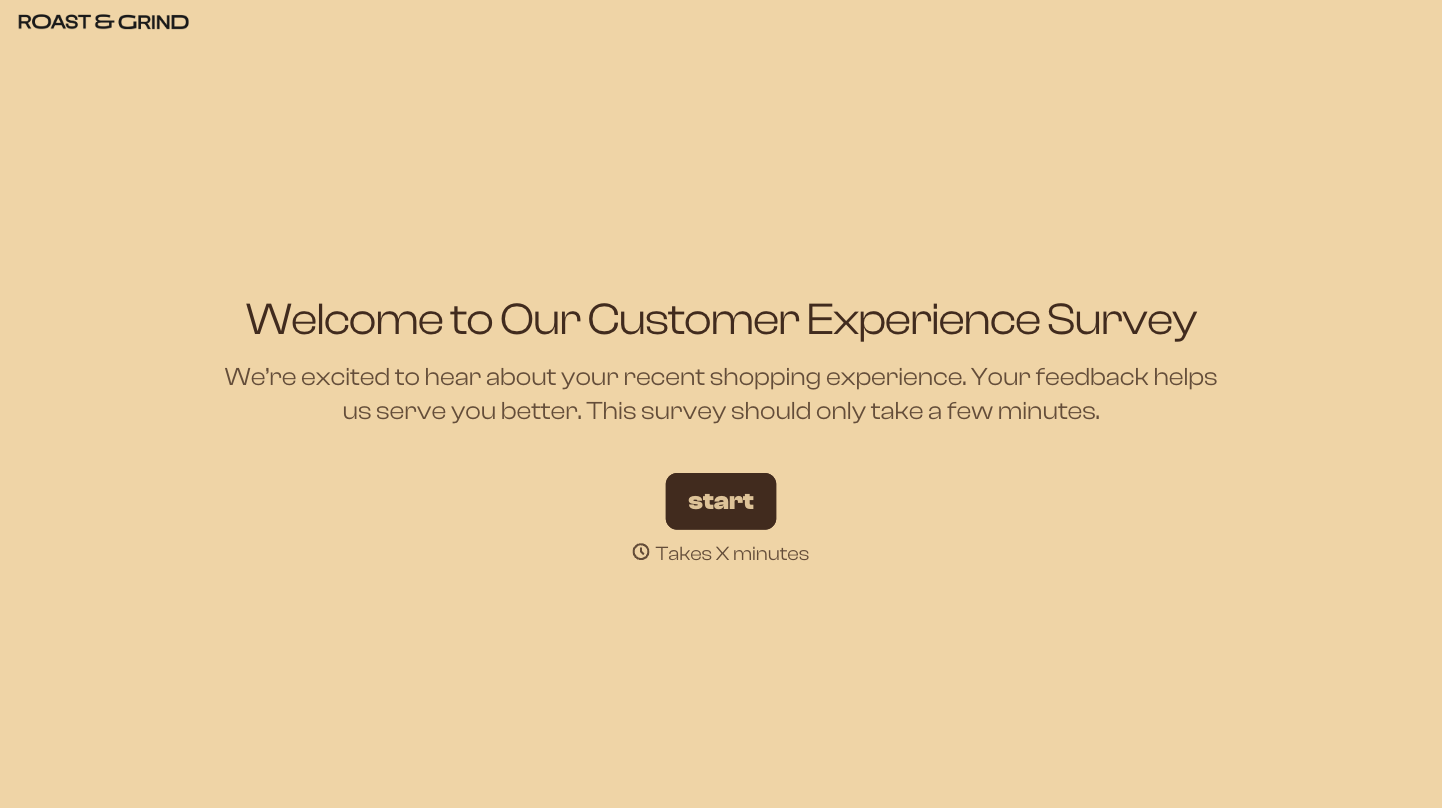
With Typeform, you can customize everything
Change text, colors, and even logos to match the look and feel of your brand. Then embed forms smoothly onto web and email.
Make forms feel effortless to fill out. Pace questions, call people by their name, and adapt the flow based on the data they share.
Stay efficient by connecting forms to your workflow. Typeform integrates with 300+ tools including Slack, Zapier, and HubSpot.