Performance management survey template
Measure what an employee delivered, how they work, and where they want to go, all in one survey. Give managers and employees one shared record to build a development plan from.



Most performance reviews measure output and stop there. You come away knowing exactly what someone delivered last quarter and nothing about whether they're ready for more, which skills they've built since the last cycle, or that they've been quietly waiting for a move nobody asked them about. Typeform's performance management survey covers results, skills, and career goals together, so decisions about promotion and development rest on more than last quarter's numbers.
Employees and managers rate performance against goals, assess core skills, and set out what comes next. An employee aiming for a management track answers about the leadership work they've taken on, while one wants to upskill answers about the technical skills they want to build. Both sides fill in the same cycle, so the record reflects more than one perspective.
Each cycle leaves you a record of what someone achieved, what they can do, and what they're working toward. You promote people who are ready rather than people who were visible, and you hear about someone's ambitions so you can guide them towards their goal.
A performance management survey is a structured questionnaire organizations use to collect data on employee work results, core skills, and career growth. It collects performance against goals, competency ratings, development needs, and where an employee wants to take their career next. HR teams and managers use the performance management survey to base promotion and development decisions on a full picture rather than output alone.
Without a performance management survey, reviews capture what someone delivered and little else. You know who hit their targets, but not who's ready for a bigger role, who needs support with a specific skill, or who's about to resign because nobody asked what they wanted. A performance management survey collects results, skills, and goals in the same cycle, so you can act on all three.
Measure what the cycle should cover:
- Performance against goals
- Core skills and competencies
- Strengths and development areas
- Career goals and interests
- Support the employee needs
Yes. Send the same survey to the employee and their manager, and use conditional logic to adjust the wording for each side. Comparing the two shows you where an employee rates themselves well below their manager does, which is usually the conversation the review should open with.
Yes. Ask for the employee's role or department first, and conditional logic brings up the competencies that apply, so an engineer rates different skills than someone in sales. The results and career sections stay consistent, so you can still compare development across the company even where the skill questions differ.
Get inspired by relevant templates and categories
3200+ Templates, 300+ Integrations
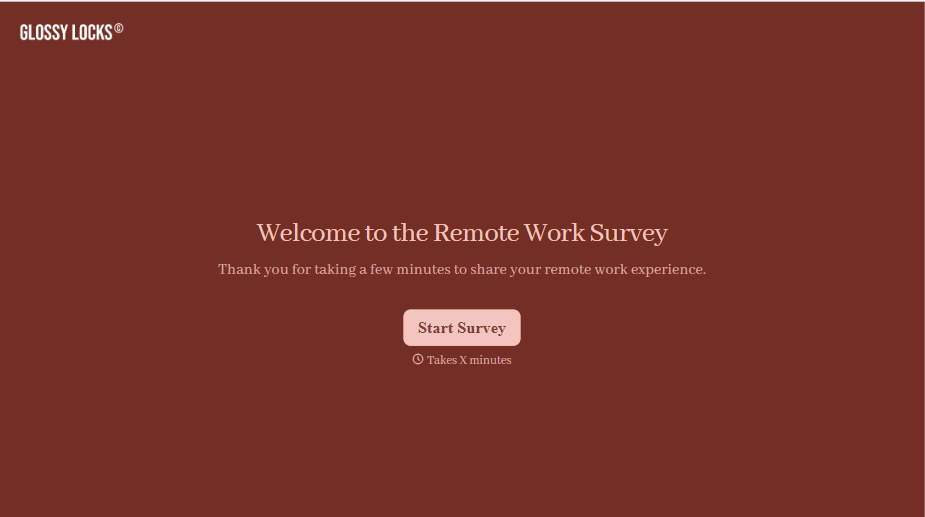
Remote Work Survey Form
A remote work survey that asks "How satisfied are you, 1 to 10?" once a year and getting the same safe "8" from everyone isn't measuring how remote work is actually going, it's measuring how safe people feel giving an honest answer. Ask about the actual friction, equipment, communication, isolation, and make it genuinely anonymous.
View template
With Typeform, you can customize everything
Change text, colors, and even logos to match the look and feel of your brand. Then embed forms smoothly onto web and email.
Make forms feel effortless to fill out. Pace questions, call people by their name, and adapt the flow based on the data they share.
Stay efficient by connecting forms to your workflow. Typeform integrates with 300+ tools including Slack, Zapier, and HubSpot.