Port Access Authorization Form
Provide employees, contractors, and visitors with a straightforward way to request access to port facilities with a form that collects identification details, visit purposes, and authorization requirements. Keep access requests organized so port administrators can verify credentials, coordinate approvals, and maintain secure operations across restricted areas.



A shipping company employee needs access to a cargo terminal for a scheduled delivery, while a maintenance contractor requires entry to inspect equipment at a port facility. They both need authorization to enter designated areas, but their responsibilities and access requirements differ. A port access authorization form helps port operators collect essential information and evaluate entry requests before granting access.
Applicants provide identification details, employer information, and the purpose of their visit. You can include fields for requested access dates, facility locations, vehicle information, and required credentials. Questions about security clearances, escort arrangements, and restricted area access help administrators determine which approvals and verification procedures apply to each request.
Your team receives organized access requests without relying on scattered emails or paper applications. Security personnel review submissions, verify credentials, and coordinate approvals with authorized port representatives. Port operators get a structured way to manage facility access, maintain entry records, and support compliance with established maritime security procedures.
A port access authorization form collects information from individuals requesting permission to enter port facilities, cargo terminals, or designated maritime areas. It typically includes applicant identification details, employer information, visit purposes, requested access periods, and security credentials. Port authorities and facility operators use it to evaluate entry requests, document approvals, and coordinate access to controlled or restricted locations.
Managing port access requests through individual emails or verbal communication can make it difficult to verify credentials and maintain consistent authorization records. A structured access form collects essential information about applicants, their responsibilities, and requested entry locations. It helps security teams review access requirements, coordinate approvals, and document authorization decisions while reducing administrative work associated with facility entry procedures.
Include questions that help port administrators verify applicants and evaluate facility access requests, like:
- What is your full legal name?
- What is your preferred contact email?
- What is your phone number?
- What is your employer or organization name?
- What is your job title or position?
- Are you an employee, contractor, vendor, or visitor?
- What is the purpose of your port visit?
- Which port facility or terminal do you need to access?
- What areas of the facility require authorization?
- What dates and times do you need access?
- Will you require one-time or recurring access?
- Who is your designated port contact or sponsor?
- Do you have the identification credentials required for entry?
- Do you hold a valid Transportation Worker Identification Credential (TWIC), if required?
- Will you require an authorized escort?
- Will you be entering the facility with a vehicle?
- What is your vehicle's license plate number, if applicable?
- Have you completed any required port safety or security training?
- Are there any equipment or operational requirements associated with your visit?
- Have you reviewed the facility's access and security policies?
- Do you agree to follow all applicable port safety and security procedures?
You can customize the questions to match your port's access policies, facility requirements, and applicable maritime security regulations.
Use dropdown menus for applicant categories, facility locations, and access types. Include date fields for requested entry periods and multiple-choice questions for credential requirements, escort arrangements, and vehicle access. Conditional logic can display additional questions when applicants request recurring entry, restricted area access, or vehicle authorization. Clearly explain required documentation, approval timelines, and entry procedures. Use secure methods to collect sensitive identification information and avoid requesting unnecessary personal data.
Yes. A port access authorization form helps security teams collect applicant information, document requested entry areas, and coordinate authorization decisions. Administrators can review submissions, verify required credentials, and determine whether additional security checks or escort arrangements are necessary. The collected information also supports access recordkeeping, operational planning, and reviews of facility entry procedures. However, submitting a form does not automatically grant access, and port operators must follow applicable security requirements and established approval processes before authorizing entry.
Get inspired by relevant templates and categories
3200+ Templates, 300+ Integrations
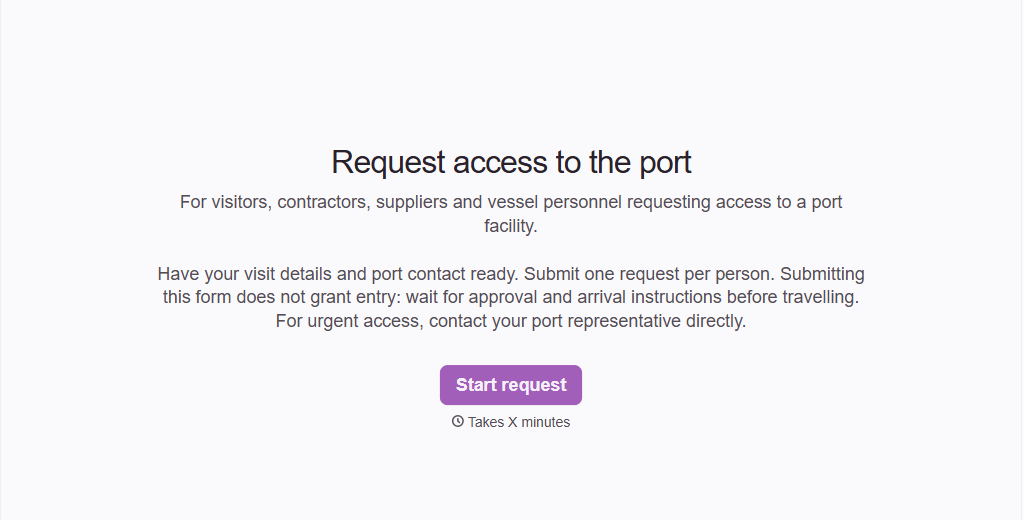
Port Access Authorization Form
Provide employees, contractors, and visitors with a straightforward way to request access to port facilities with a form that collects identification details, visit purposes, and authorization requirements. Keep access requests organized so port administrators can verify credentials, coordinate approvals, and maintain secure operations across restricted areas.
View template

Movie Screening Rights Permission Form
Give event organizers and organizations a simple way to request permission to screen films with a form that collects movie details, event information, and licensing requirements. Keep screening requests organized so filmmakers, distributors, and rights holders can review proposed events, clarify usage terms, and manage screening permissions.
View template
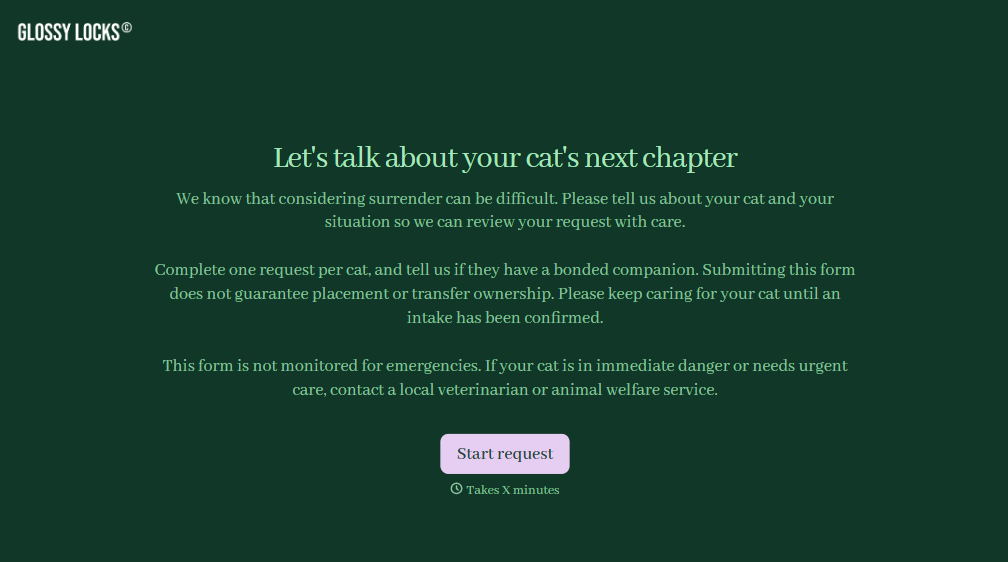
Cat Owner Surrender Form
Give cat owners a straightforward way to request surrender services with a form that collects pet information, medical history, and reasons for rehoming. Keep the surrender requests organized so animal shelters and rescue organizations can evaluate each cat's needs, coordinate intake appointments, and prepare for appropriate care.
View template
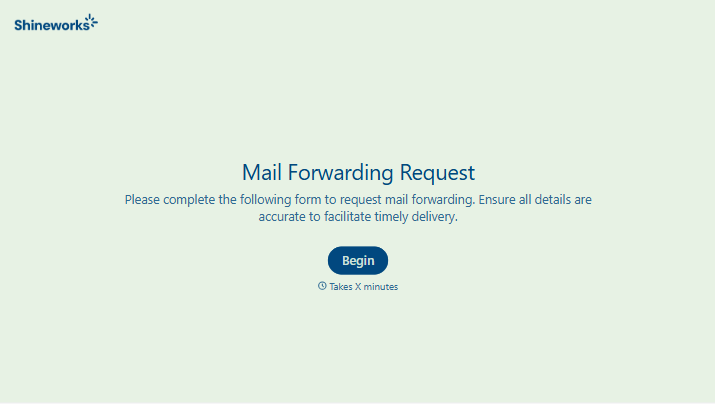
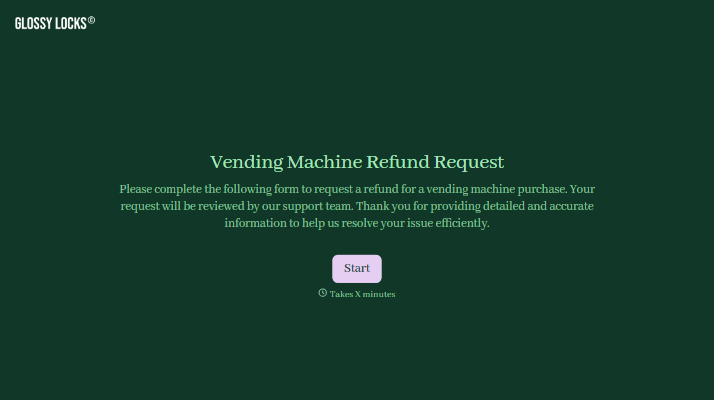
With Typeform, you can customize everything
Change text, colors, and even logos to match the look and feel of your brand. Then embed forms smoothly onto web and email.
Make forms feel effortless to fill out. Pace questions, call people by their name, and adapt the flow based on the data they share.
Stay efficient by connecting forms to your workflow. Typeform integrates with 300+ tools including Slack, Zapier, and HubSpot.