Psychometric Test Form Template
Assess candidates with structured, consistent psychometric testing, not gut feelings.



Resumes tell you what someone has done. Interviews tell you what they want you to think. Psychometric tests tell you how someone actually thinks, makes decisions, and handles pressure. But building a psychometric assessment from scratch is a significant undertaking, and administering it through paper or clunky software creates a poor candidate experience that reflects badly on your organization.
This psychometric test form template provides a framework for delivering personality assessments, cognitive ability questions, or behavioral inventories in a clean, one-question-at-a-time format that reduces test anxiety and keeps candidates focused. Conditional logic enables adaptive questioning — follow-up items can adjust based on previous responses, mimicking the structure of validated assessment instruments. The result is a standardized, comparable dataset for every candidate.
Customize it with your validated assessment content, set time parameters if needed, and share the link with candidates as part of your hiring workflow. Connect it to your applicant tracking system through integrations so results sit alongside resumes and interview notes for a complete candidate picture.
A psychometric test form is a standardized assessment tool used to measure psychological attributes — personality traits, cognitive abilities, behavioral tendencies, or emotional intelligence. In hiring contexts, it provides objective data points that complement resumes and interviews. In development contexts, it helps individuals understand their strengths, preferences, and growth areas.
Interviews are notoriously unreliable predictors of job performance — interviewers are influenced by rapport, appearance, and shared interests. Psychometric tests provide standardized, objective data that reduces bias and improves prediction accuracy. They help you identify whether a candidate's working style, decision-making approach, and personality fit the demands of the role, not just whether they interview well.
- Likert scale statements assessing personality dimensions (e.g., "I prefer working independently" — strongly agree to strongly disagree)
- Situational judgment scenarios with multiple response options
- Cognitive reasoning items (numerical, verbal, or abstract)
- Behavioral tendency rankings (rank these 4 approaches from most to least like you)
- Forced-choice pairs measuring preference between 2 equally desirable traits
- Reverse-scored items to check response consistency
Use assessment content that has been developed and validated by industrial-organizational psychologists. Don't write personality questions from scratch. Partner with an assessment provider or license a validated instrument. The form template handles the delivery experience; the content should come from psychometric science. Test the assessment with a pilot group, check internal consistency, and review for adverse impact before rolling it out to candidates.
Be transparent about how results will be used. State this upfront, before the test begins. Many best-practice organizations share a summary of the assessment results with candidates, regardless of the hiring decision. This turns the test from a one-sided screening tool into a developmental experience for the candidate, which improves their perception of your organization even if they're not selected.
Get inspired by relevant templates and categories
3200+ Templates, 300+ Integrations
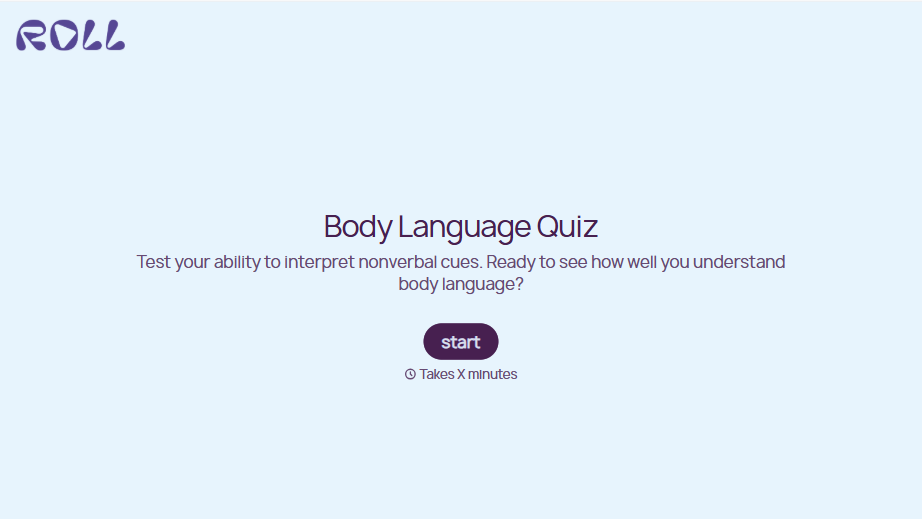
Body Language Quiz
A quiz that hands back the same score no matter which questions someone actually missed isn't teaching anyone to read a room. Ask what the quiz is actually measuring, attraction cues, deception tells, stress signals, and let each wrong answer route somewhere that explains what the cue really meant.
View template
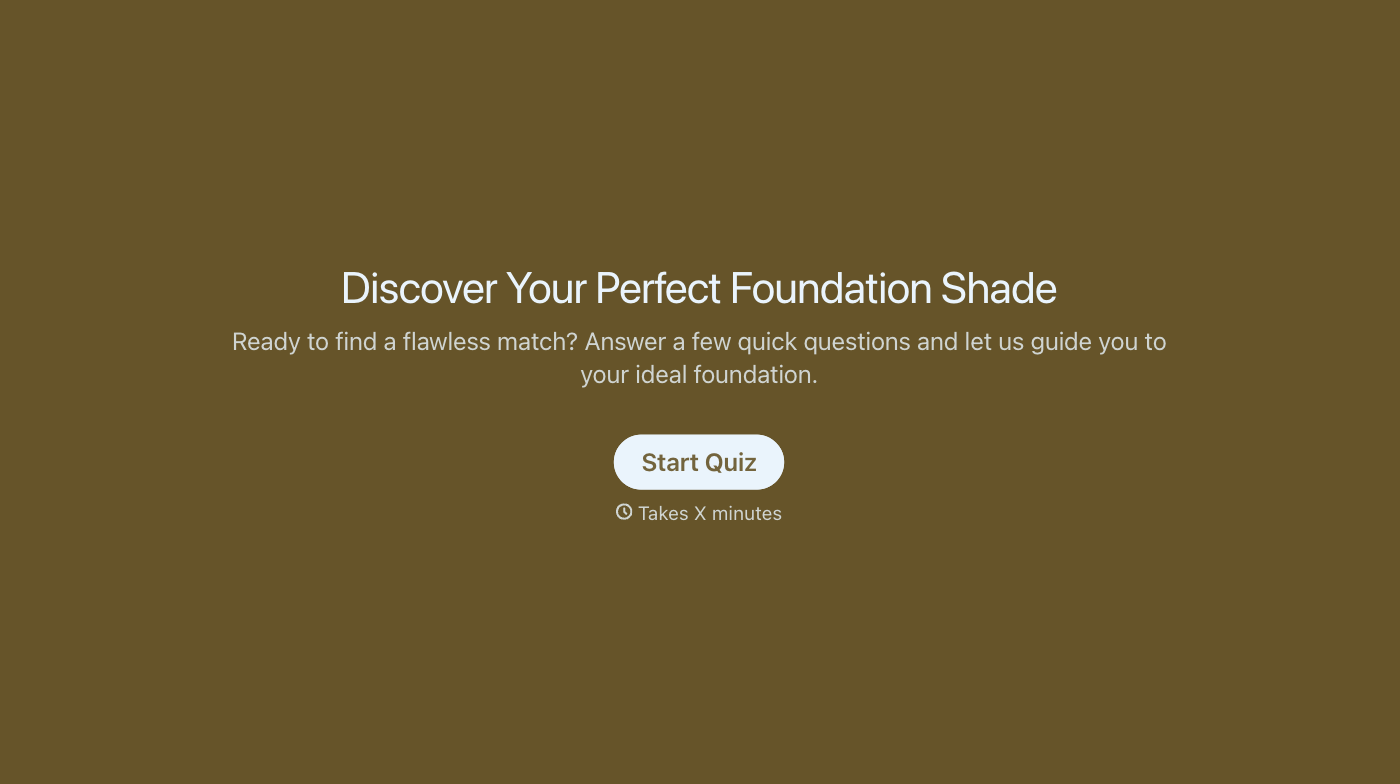
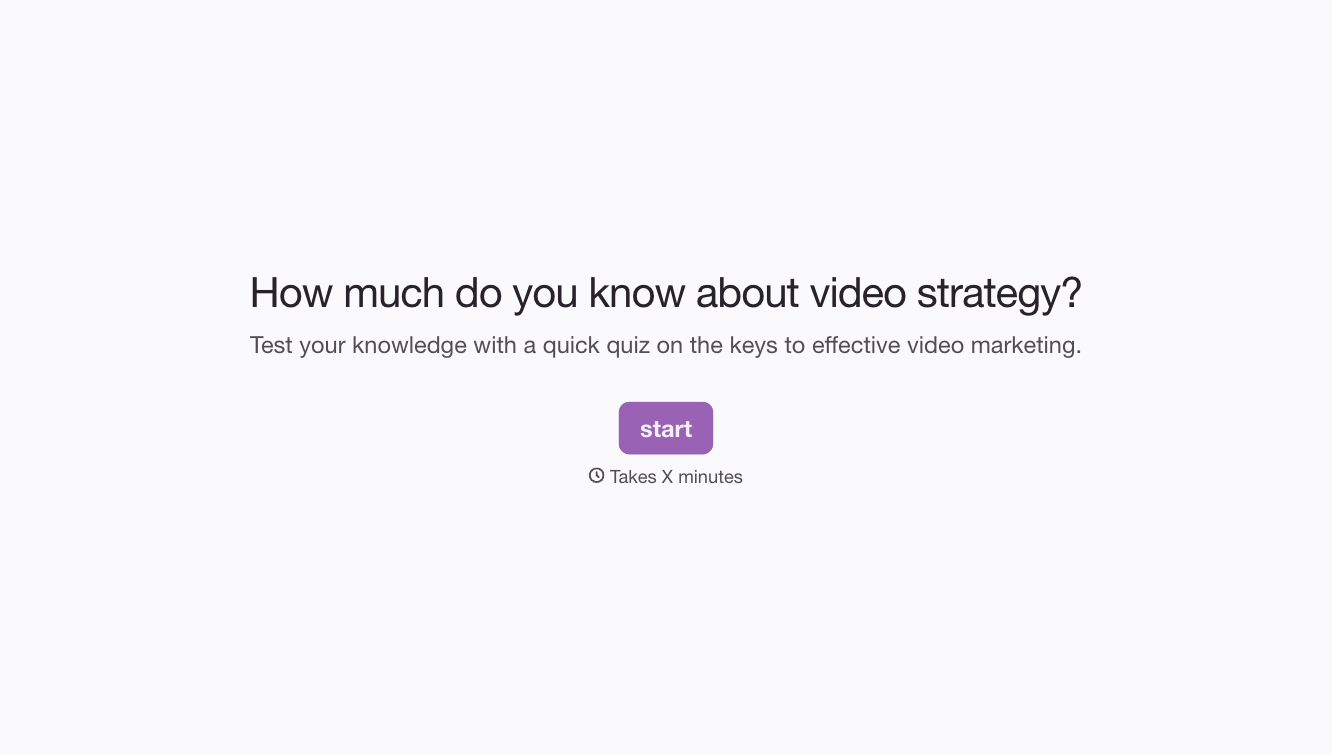
With Typeform, you can customize everything
Change text, colors, and even logos to match the look and feel of your brand. Then embed forms smoothly onto web and email.
Make forms feel effortless to fill out. Pace questions, call people by their name, and adapt the flow based on the data they share.
Stay efficient by connecting forms to your workflow. Typeform integrates with 300+ tools including Slack, Zapier, and HubSpot.