Remote Work Survey Questions
Remote work policies built without employee input miss what distributed teams actually need. Collect home setup feedback, tool ratings, and work-life balance scores in one survey.


HR teams that gauge remote employee experience through manager check-ins often identify remote work friction only when productivity drops or someone resigns. A remote employee struggling with isolation or unclear communication expectations rarely brings it up in a one-on-one or team meeting. Typeform's remote work survey gives HR teams a structured way to collect input from remote employees consistently.
This survey captures home office setup quality, communication tool effectiveness, work-life balance ratings, collaboration experience, and productivity self-assessment in one submission. Questions appear one at a time, so employees move through each topic without the survey feeling like a performance evaluation. Conditional logic adapts the survey based on an employee's role and remote work arrangement. A fully remote employee sees questions about home setup and social connection; a hybrid employee sees questions about in-office days and syncing with teammates on different schedules.
Customize the survey to match your remote work policy, team structure, and employee demographics. Send it via email or your HRIS on a quarterly cadence or after policy changes. Responses feed into Google Sheets via Zapier, so your team spots wellbeing trends and policy gaps across your remote workforce. Your remote work policy reflects what distributed employees actually need—not what leadership assumes works for an at-home office environment.
A remote work survey is a structured questionnaire that collects direct input from distributed employees on their remote work experience. It captures home setup quality, communication tool effectiveness, work-life balance ratings, and collaboration experience in one submission. Use this remote work survey to help HR teams build and adjust remote work policies based on what distributed employees actually need.
Remote employee disengagement is harder to detect than in-office disengagement, and by the time it surfaces, someone is already on their way out. A distributed employee who feels isolated, underequipped, or burned out rarely walks into a manager's office to say so. A remote work survey gives managers a structured way to detect those signals before they become a retention problem.
Collect feedback on what matters most:
- Home office setup quality and equipment needs
- Communication tool effectiveness and meeting fatigue
- Work-life balance and boundary clarity
- Collaboration experience and team connection
- Productivity self-assessment and barriers to focus
Yes. Include questions asking employees to rate specific tools and describe the biggest sources of friction in their remote workday. Conditional logic routes fully remote employees through tool-specific follow-up questions and hybrid employees through questions about in-office communication challenges. Your team identifies tool gaps and policy friction with enough specificity to act on them.
Yes. Include an open-ended question at the end asking employees what one change would most improve their remote work experience. Rating questions tell you where friction exists; open-ended questions tell you what employees think should be done about it. The combination gives your HR team both a quantifiable baseline and a starting point for policy changes.
Get inspired by relevant templates and categories
3200+ Templates, 300+ Integrations
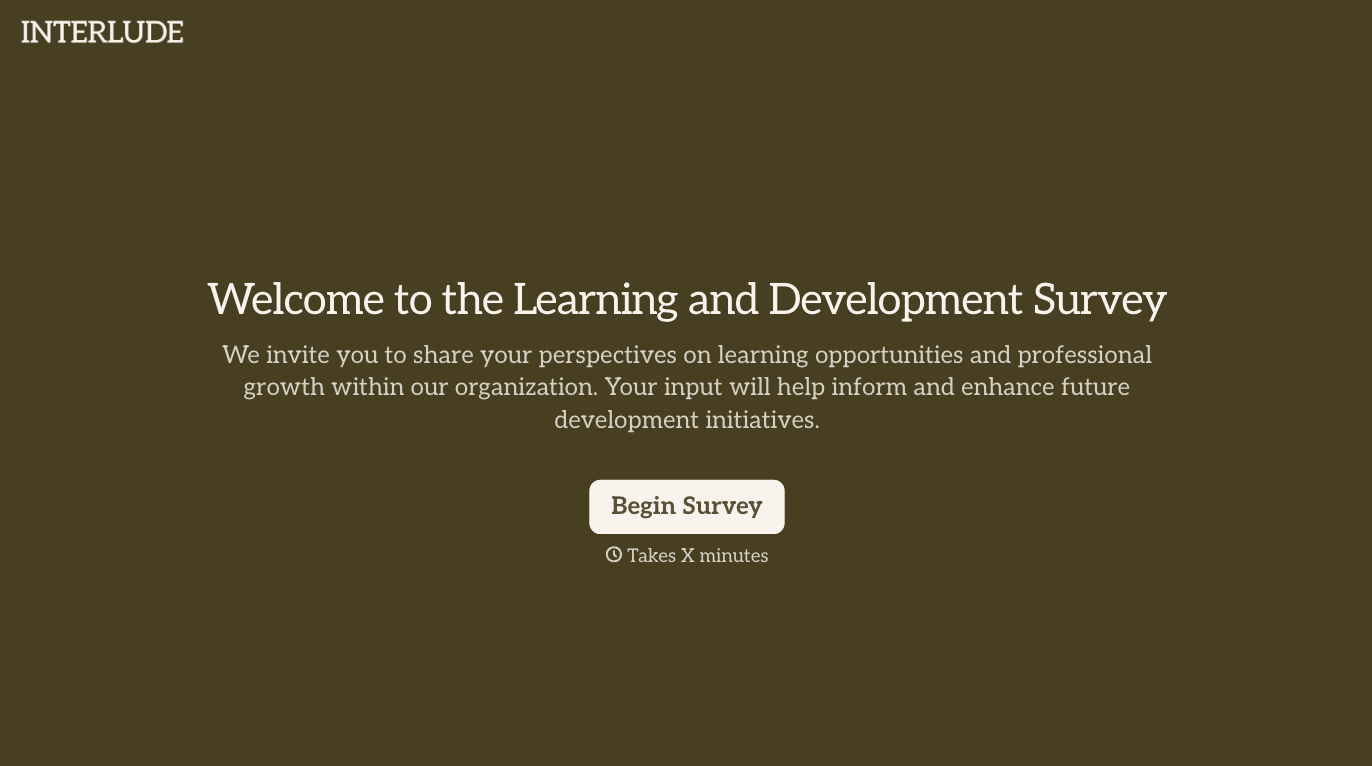
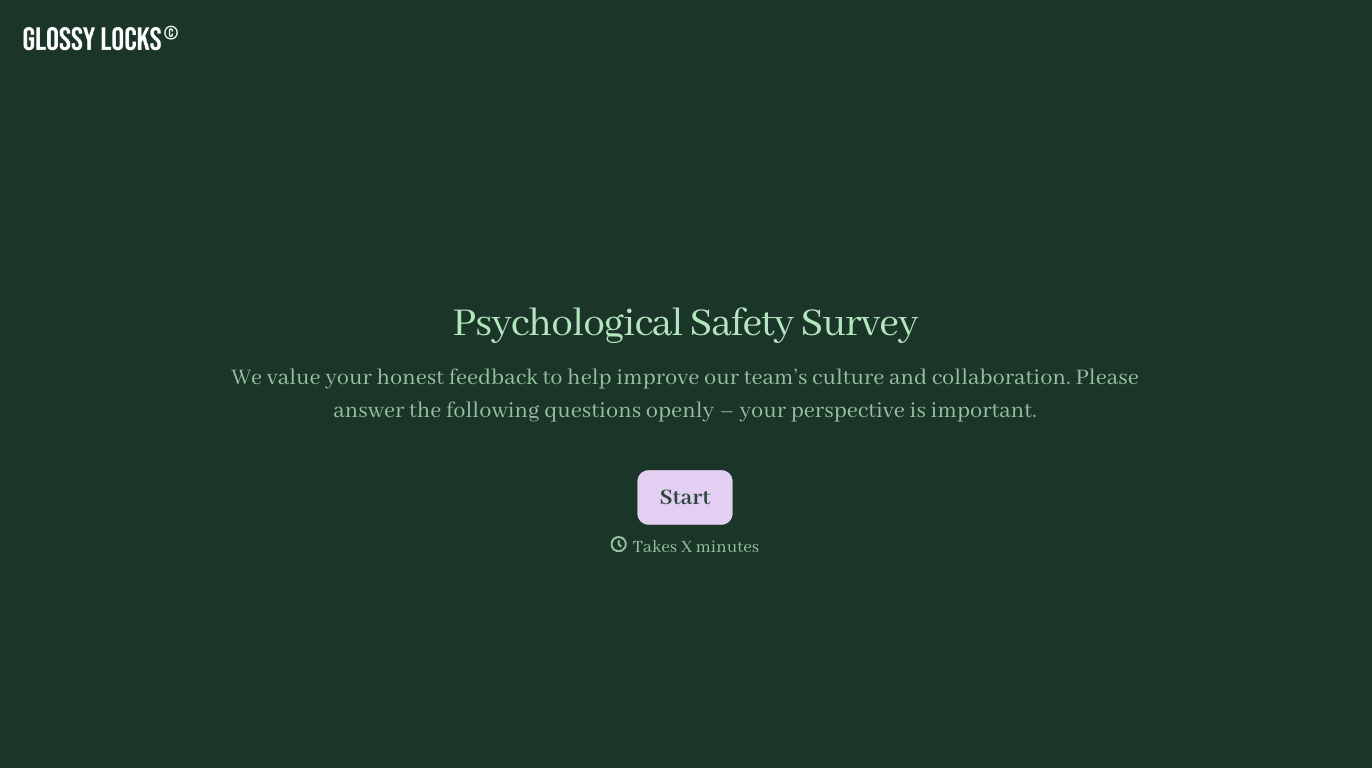
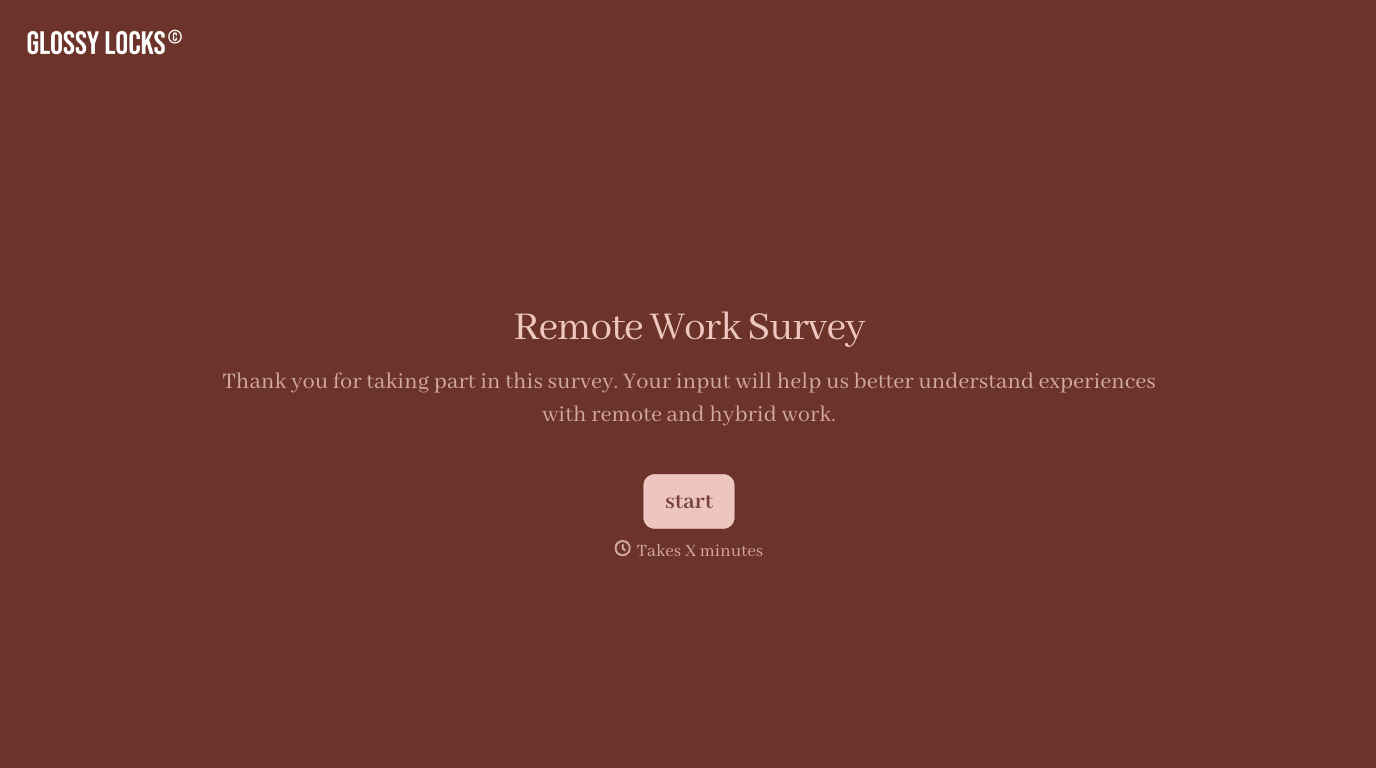
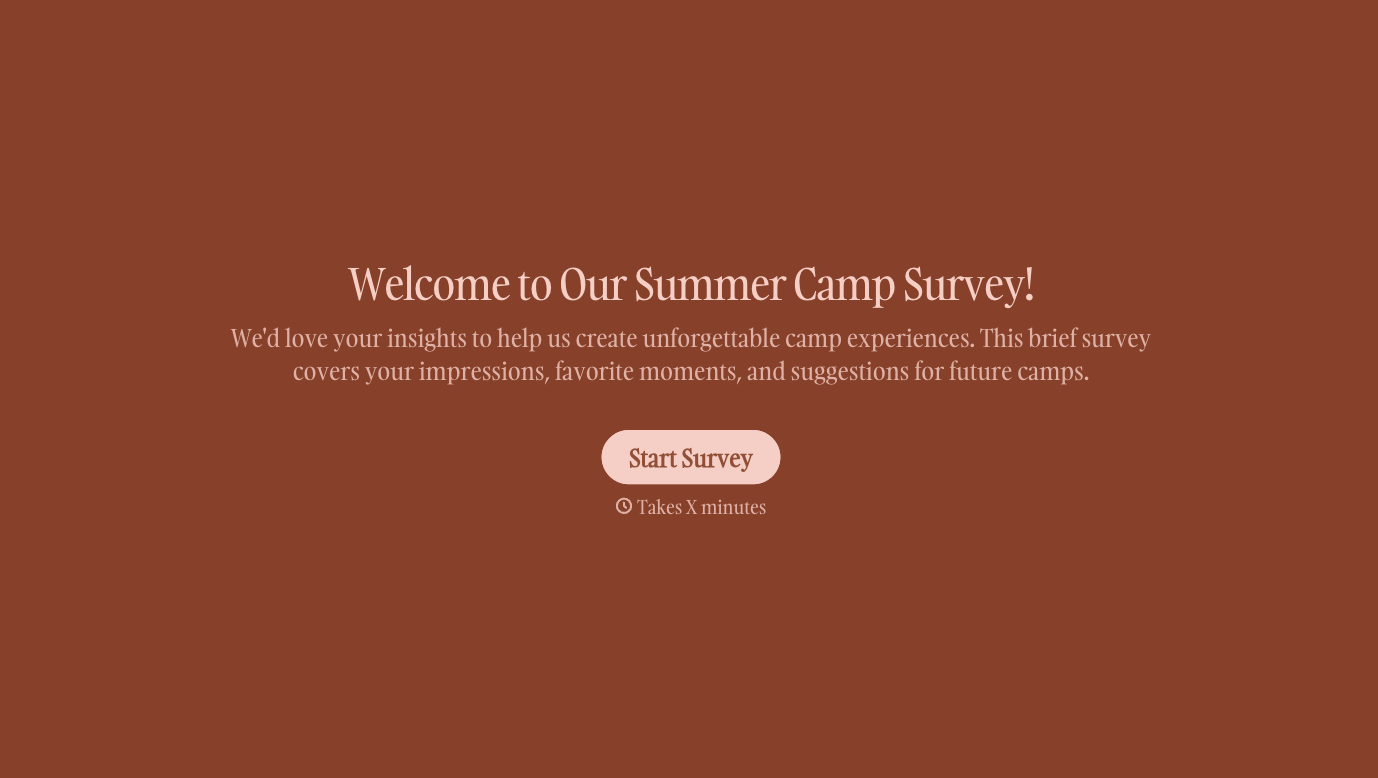
With Typeform, you can customize everything
Change text, colors, and even logos to match the look and feel of your brand. Then embed forms smoothly onto web and email.
Make forms feel effortless to fill out. Pace questions, call people by their name, and adapt the flow based on the data they share.
Stay efficient by connecting forms to your workflow. Typeform integrates with 300+ tools including Slack, Zapier, and HubSpot.