Standard Form Template
Collect consistent information for any standard process, with a form that's easy to customize and share.



Many organizational processes require the same information collected the same way every time — and when there's no formal form, that information arrives in whatever format the person submitting it chooses. That creates work on the receiving end and inconsistency in your records.
A Typeform standard form gives you a starting point for any information collection process that needs structure. The one-question-at-a-time format encourages more complete responses than a long document, and conditional logic lets you build a form that adapts based on what respondents tell you — showing follow-up questions only when they're relevant. Every submission arrives in a consistent format, with timestamps and respondent details already organized.
Customize the fields for your specific use case, add your organization's branding, and connect responses to whatever system you use to manage the information. It takes minutes to set up and works for any process that needs a reliable intake point.
A standard form is a general-purpose document used to collect consistent information across a recurring process. It's designed to be adaptable — the structure stays the same, while the specific fields and questions are customized for each use case.
A digital form ensures every submission includes the same fields, in the same format, with required answers completed before the form is sent. It removes the inconsistency of ad hoc information collection and creates an organized record without additional data entry.
The fields depend on your use case, but most standard forms include:
- Submitter's name and contact information
- Date of submission (captured automatically)
- Relevant identification fields (department, project, ID number)
- The core information you need to collect
- Any required acknowledgments or agreements
- Space for additional notes or context
Start with a standard form when you need to collect similar information across multiple situations or teams and want a single template rather than building separate forms for each context. As your process becomes more defined, you can add conditional logic and specialized fields to make the form more specific — or branch into separate forms for distinct workflows.
Yes. The same Typeform can serve both internal staff and external contacts, with different share links or conditional sections depending on who's submitting. You can also create separate versions for internal and external use by duplicating the template and adjusting the questions and branding for each audience.
Get inspired by relevant templates and categories
3200+ Templates, 300+ Integrations
Bank Reference Form
A reference request faxed to a bank branch and left sitting in a queue for weeks isn't the kind of turnaround a landlord or business can wait on. Collect the applicant's signed authorization and the specific details you need confirmed before the request even reaches the bank, so a decision isn't stuck behind a letter that hasn't come back yet.
View template
Bar Inventory Form
A bottle count eyeballed at the end of a shift and scrawled on a paper sheet doesn't hold up against a pour cost report that says something doesn't add up. Collect what your bar actually needs, item, count, and variance, on a schedule you can actually compare week to week.
View template
Equipment Inventory Form
Equipment that leaves a storage room in someone's arms, with no note about where it went, doesn't show up again until someone needs it and can't find it. Collect what your team actually needs, item details, condition, and who's got it, every time something moves.
View template
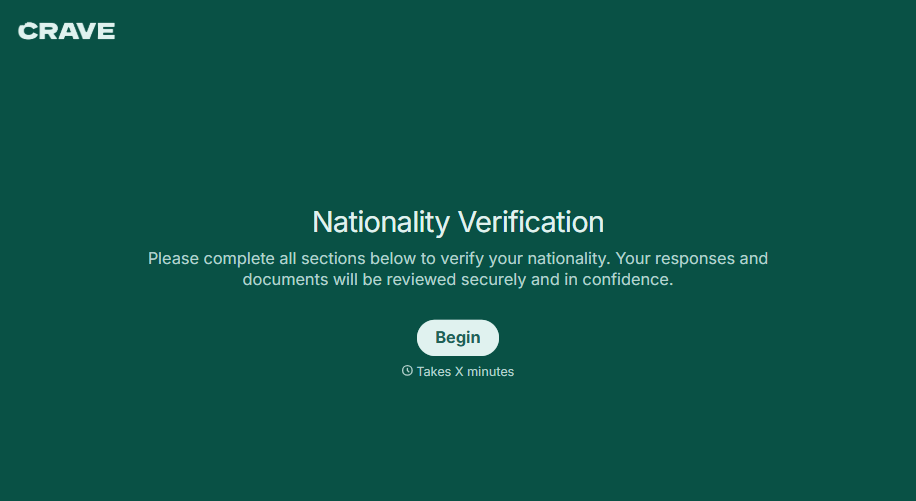
Nationality Verification Form
A self-certification buried in a stack of new account paperwork isn't the kind of record a compliance team can rely on for a regulatory filing. Collect nationality, tax residency, and a signed declaration before an account opens, so compliance isn't chasing down a customer's citizenship status after the fact.
View template
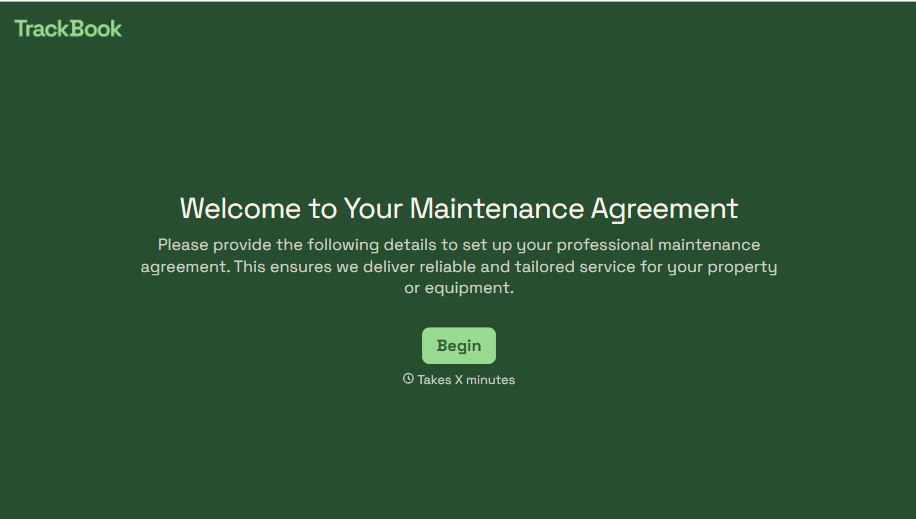
Maintenance Agreement Form
A maintenance plan agreed to over the phone isn't a contract your service team can actually work from, especially when nobody's sure whether the twice-a-year tune-up was part of the deal. Collect the equipment covered, service frequency, and a signed agreement before the first visit, so your team isn't guessing at scope once they're on-site.
View template
With Typeform, you can customize everything
Change text, colors, and even logos to match the look and feel of your brand. Then embed forms smoothly onto web and email.
Make forms feel effortless to fill out. Pace questions, call people by their name, and adapt the flow based on the data they share.
Stay efficient by connecting forms to your workflow. Typeform integrates with 300+ tools including Slack, Zapier, and HubSpot.