Client Intake Form Template
A client picture pieced together from a rushed intro call, a LinkedIn scroll, and a string of “quick clarifying” emails won’t hold up past kickoff. The scope that creeps up quietly and the question no one thought to ask are the things you catch last. Collect everything you need before the first meeting, not during it. Get company details, goals, and scope in one place, before the clock starts.



Meeting a new client for the first time needs to be about strategy, alignment, and building rapport. Not about collecting the basic information that should have been gathered beforehand. This is exactly what happens when there's no intake process: the kickoff meeting becomes a data-entry session, and the strategic conversation is pushed to a later time. Meanwhile, the client wonders why they're paying an hourly rate for you to spell their company name.
This client intake form template front-loads the information gathering. Clients will complete it before the first meeting, providing company details, project scope, goals, timelines, budgets, and any other context needed for your team to arrive prepared. The one-question-at-a-time format keeps it manageable, and conditional logic adapts based on service type, project complexity, or client category. Submissions flow to Google Sheets, your CRM, or your project management tool via Zapier.
Customize the questions to match your practice area, whether you're a law firm, marketing agency, consulting firm, or financial advisor. Add your branding, send the link as part of your onboarding sequence, and walk into every first meeting already informed.
What your intake form needs to ask & why
A checklist doesn’t just get filled in. Every question needs to change how you show up on day one, or it’s not even worth asking.
Who’s actually in the room
Name and email gets you a contact. Decision-making authority gets you a productive first meeting. Ask who signs off and not just who is writing the emails, or your strategy ends up written for someone who is not there.
What “done” looks like
Not what they want, what success gets measured against. A vague objective now is a scope argument later. Make sure you receive this in their words before spending a session translating it into yours.
The real numbers
Budget and timeline are not background details, they’re the conversation you’re about to have. A number tells you whether this is a 5k engagement or a 75k one. A deadline tells you whether it’s real or aspirational. Be sure to know both before you’re in the room guessing at them.
What already exists
Old brand guidelines, a previous vendor’s files, analytics access, a half-finished doc someone mentioned once. Get the information upfront. The alternative is finding out three weeks in, after you have already rebuilt it from scratch.
Four groups, not 20 questions. Ask fewer things well, and the first meeting picks up where the form left off, instead of starting from zero.
The same form, four different practices
This shows up sharpest in a handful of practices, the ones where a fuzzy client picture doesn’t just cost you a meeting, it costs a case, a client, or a campaign. These four are not the only businesses that need this. They’re just where getting it wrong can become expensive.
Law firms
Law firms need matter type and conflict-of-interest names before the first call, not after. A client who can’t say whether the other side is a former vendor or nothing at all could cost you a week of work that you will have to fix later.
Marketing agencies
Marketing agencies need the current channel mix and brand assets on hand. The campaign you’re pitching next month will depend on knowing what is already running and not only discovering it in week two.
Consulting firms
Consulting firms need the problem stated in the client’s own words, plus anyone else in the room on their side. The stakeholder no one mentioned on the form is the one who blocks the recommendation in two months.
Financial advisors
Financial advisors need risk tolerance and existing account relationships upfront. A client who is transitioning from another advisor is a different conversation than one starting from zero, and the form should tell you which one you are having before any conversations start.
Intake mistakes that cost you the project
The form doesn’t fail on its own. It fails on the way in, no deadline, no read-through before the call, or on the way out, when the answers land somewhere no one checks. Here’s where it actually breaks.
No deadline attached. The form sits in an inbox until the morning of kickoff, and you’re back to filling it in together, live during the meeting that it was supposed to replace.
Nobody reads it before the call. The client already told you their last vendor missed three deadlines. You open with, “so, tell us about your business” anyway.
One form, every project. The same 20 questions for a 2k tweak and a 150k rebuild. The small project abandons it halfway through, and the big one needs twice as much.
No home for the answers. Responses sit in a dashboard no one opens, and the account manager finds out about the new client from a Slack message three days late.
The form isn’t the fix. Reading it, deadlining it, and routing it, is.
What to do once the form comes in
Skim it for the one answer that changes your approach, the deadline that’s tighter than they let on, the budget that rules out half of what you were about to pitch, and read that one twice. Then route it to whoever’s running the account, the same day, not whenever someone happens to open the dashboard.
Then open the meeting with their own words, not yours. If they wrote “we keep losing it to the same competitor,” say that back to them first. It tells them you read it. It’s also the fastest way from small talk to doing the actual work.
A client intake form is a structured questionnaire that new clients complete at the start of an engagement. It collects the essential information the service provider needs to begin work effectively: contact details, business background, project requirements, goals, constraints, and expectations. It's the foundation of a smooth onboarding process.
If you freelance or work in an agency, you will know just how time-consuming the client intake process can be. You have back-and-forth questions, lots of umming and ahhing from both sides, and in the end, so much lost time.
This client intake form takes all of the legwork out of your intake process. Do you have someone who wants to work with you? Amazing! Send them the client intake form directly and get all of the information that you will need right away. Even better: you can embed the form on your own website, that way they won’t have to reach out to you first.
Tailor to your industry, but be sure to cover these essential bases:
- Company name, primary contact, and billing details
- Business overview and industry
- Project or engagement objectives
- Timeline expectations and key deadlines
- Budget range or investment parameters
- Existing assets, accounts, or documentation to share
Long enough that it’s useful, but short enough that it gets completed. For most service businesses, 10-15 questions is the sweet spot. If you need additional or more extensive information, break it into sections and use conditional logic to skip what doesn't apply. For highly complex engagements, consider a two-phase approach, a short intake form followed by a deeper discovery session.
Immediately after the engagement is confirmed, while the enthusiasm is still high and the relationship still fresh. Include it in your welcome email along with any contracts or onboarding materials. Set a clear deadline, like asking them to finish three days before the kickoff meeting, so they have a natural prompt to act.
Get inspired by relevant templates and categories
3200+ Templates, 300+ Integrations
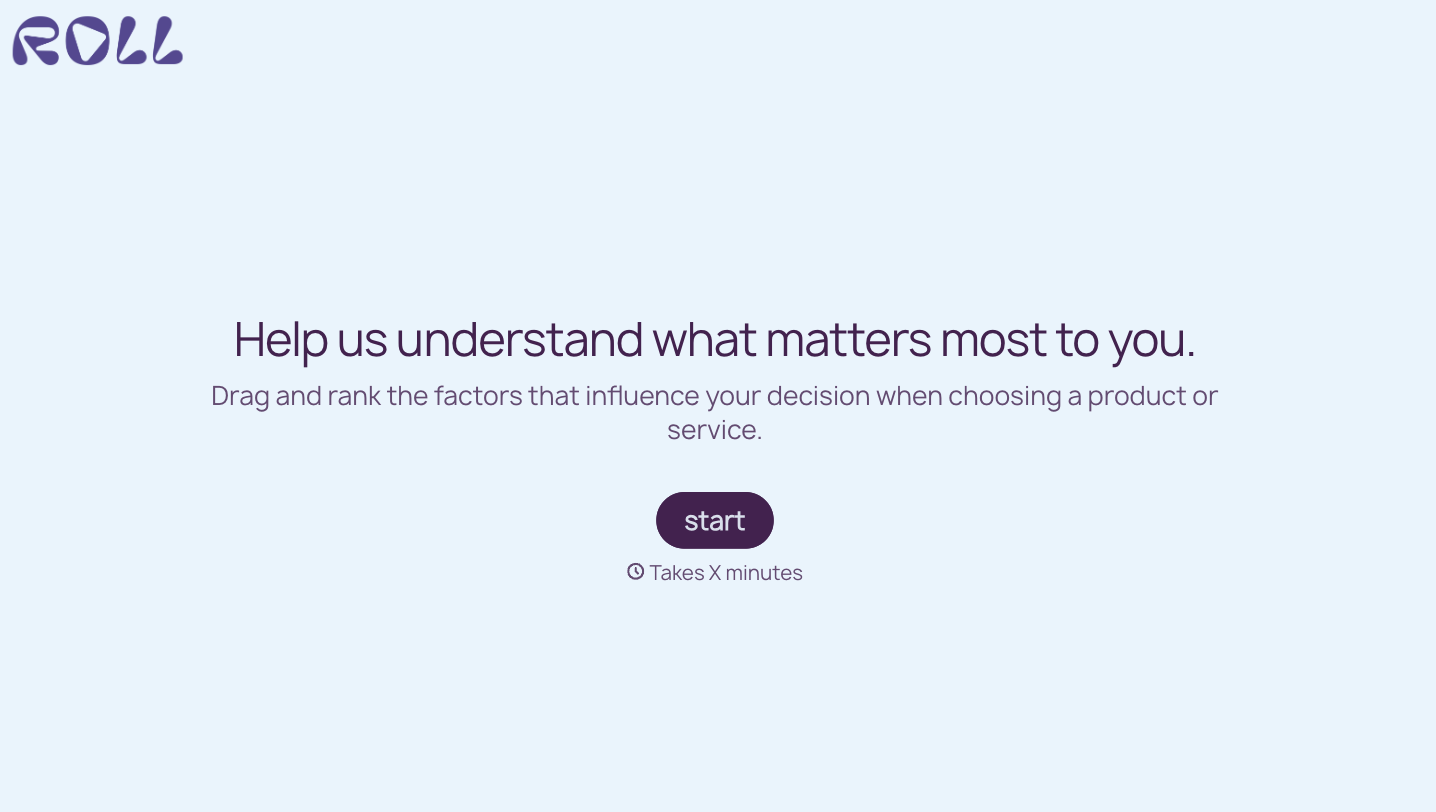
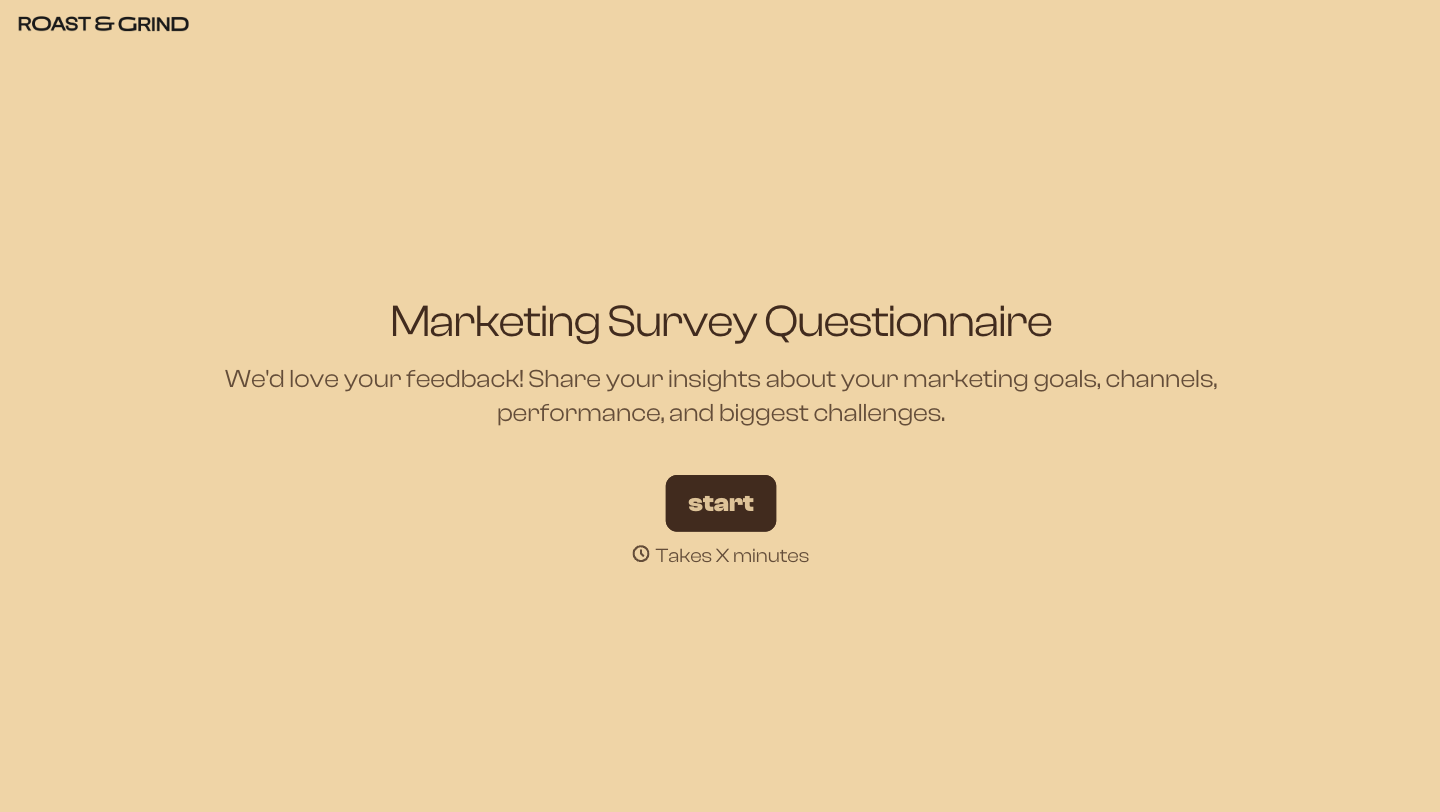

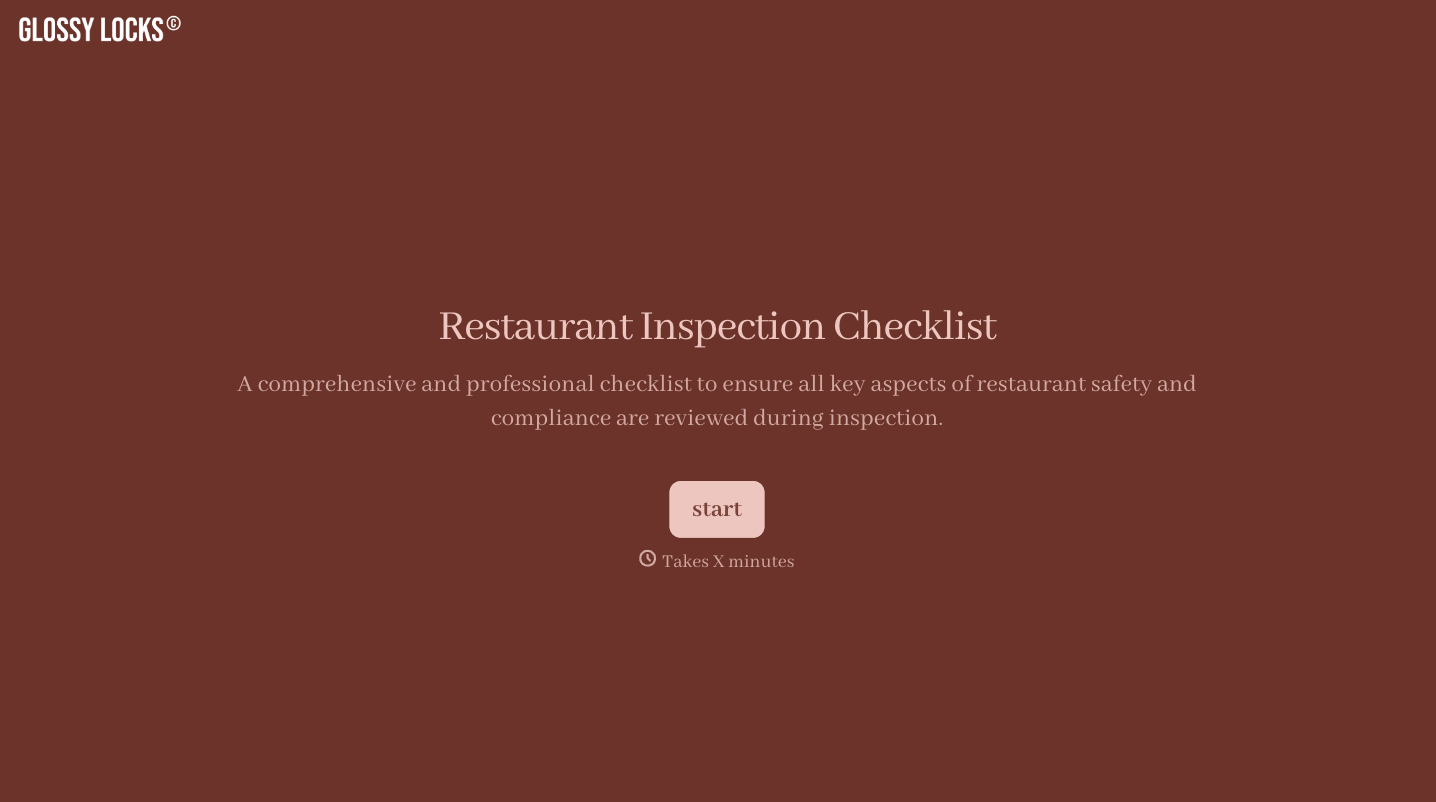


With Typeform, you can customize everything
Change text, colors, and even logos to match the look and feel of your brand. Then embed forms smoothly onto web and email.
Make forms feel effortless to fill out. Pace questions, call people by their name, and adapt the flow based on the data they share.
Stay efficient by connecting forms to your workflow. Typeform integrates with 300+ tools including Slack, Zapier, and HubSpot.