Ranking Poll
Scattered opinions tell you what people like, but a ranking poll tells you what they'd choose first. Collect ranked choices on priorities, features, or names.



Ask a team which features matter and they'll say all of them, because everything sounds worth doing. But you can't build everything at once, and a list of yeses never tells you where to start. Teams end up stuck, treating every option as equally urgent. Typeform's ranking poll template gives teams a clear way to see what people truly prioritize.
The poll asks people to drag options into their true order of preference, from most to least important. The drag-and-drop format makes ordering feel quick and intuitive, so people finish instead of abandoning a clunky form. Conditional logic adapts the poll based on how someone ranks. A respondent who ranks price first explains their budget, while one who ranks features first names the must-haves.
Customize the options to fit whatever you're deciding, from product features to event dates to team priorities. Share it by email, embed it on a page, or drop the link into Slack. Every response flows into Google Sheets or Airtable via Zapier, so the group's priorities rank themselves. You settle the debate with a clear order everyone can see, not just the loudest voice in the room.
A ranking poll asks people to order a set of options by preference or importance. Instead of rating each option alone, respondents place them in sequence, from first choice to last. Teams that run ranking polls consistently see true priorities and make decisions the whole group stands behind.
When you ask people to rate options separately, everything scores high and nothing stands out. You end up with a long list of "important" features and no idea which to build first. That false tie stalls decisions, and teams default to the loudest opinion or the safest guess. A ranking poll forces a real order, so the group's top priority becomes obvious and the decision makes itself.
Cover what makes a ranking poll useful:
- A clear question about what respondents are ranking
- A focused set of options, not an overwhelming list
- Options that are distinct and easy to tell apart
- A shared basis for ranking, like importance or preference
- Room for an open comment on the reasoning
Keep the list short enough that people can weigh every option, since a long list makes ranking a chore. A handful of distinct choices produces sharp, reliable results, while too many options push respondents to rank at random. If you have a large set, group similar options first, then rank the groups.
Look at each option's average position, since that reveals the group's overall order at a glance. Watch for options that split the room, since a first-by-some, last-by-others pattern signals a real divide. The clearest signal is a top choice that most respondents rank near the top.
Get inspired by relevant templates and categories
3200+ Templates, 300+ Integrations
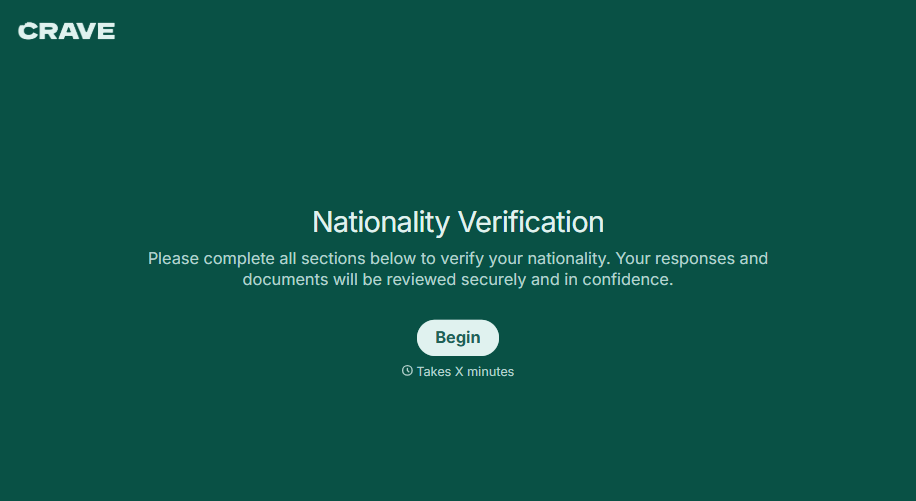
Nationality Verification Form
A self-certification buried in a stack of new account paperwork isn't the kind of record a compliance team can rely on for a regulatory filing. Collect nationality, tax residency, and a signed declaration before an account opens, so compliance isn't chasing down a customer's citizenship status after the fact.
View template
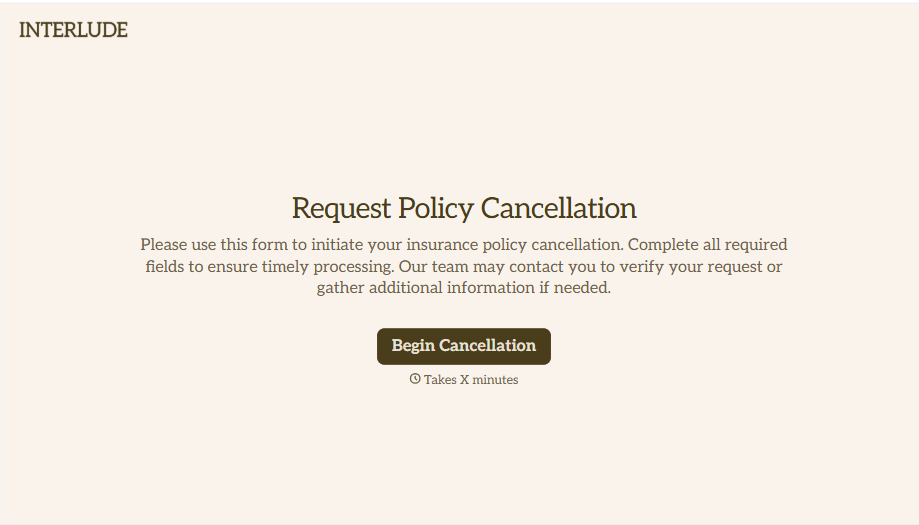
Policy Cancellation Form
A cancellation requested over the phone doesn't leave a clear record of exactly what date the policyholder actually asked for, and that date matters more than it sounds like it should. Collect what your agency actually needs, policy details, identity verification, and the requested effective date, before coverage actually ends.
View template
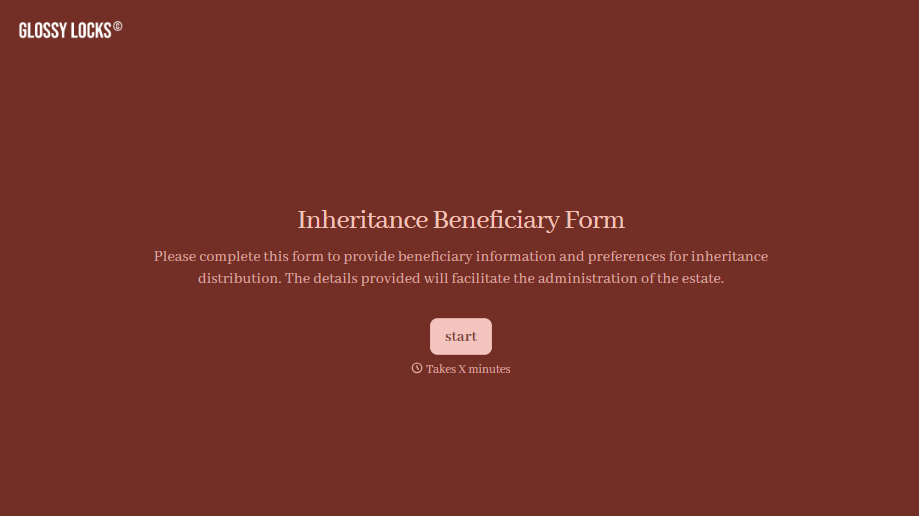
Inheritance Beneficiary Form
Asking a grieving family member for the same banking details across three different phone calls doesn't make settling an estate go any faster. Collect what your firm actually needs, beneficiary information, identification, and distribution details, in one submission instead of three calls.
View template
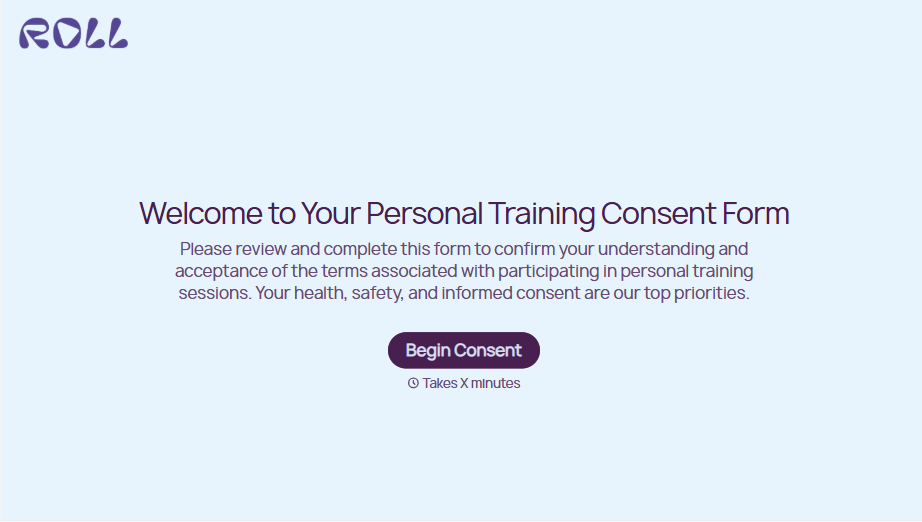
Personal Training Informed Consent Form
A consent form signed in the ten seconds before a first session isn't the kind of informed agreement that holds up if something goes wrong. Walk clients through the specific risks of training and get a signed, dated acknowledgment before the first rep, so consent actually means what the word implies.
View template

Unconditional Release Form
A lien waiver signed at the job site with a pen borrowed from someone's truck isn't the kind of document a lender wants to see before releasing a draw. Collect the project, payment details, and a signed unconditional release before funds go out, so a draw isn't held up by a waiver nobody can find.
View template
With Typeform, you can customize everything
Change text, colors, and even logos to match the look and feel of your brand. Then embed forms smoothly onto web and email.
Make forms feel effortless to fill out. Pace questions, call people by their name, and adapt the flow based on the data they share.
Stay efficient by connecting forms to your workflow. Typeform integrates with 300+ tools including Slack, Zapier, and HubSpot.