Disciplinary Action Form Template
Document workplace issues thoroughly and consistently, because "I think we talked about this last March" isn't a defensible record.



Disciplinary documentation protects everyone: the employee, the manager, and the organization. But when managers are expected to write up incidents from memory using a blank Word document, the results are inconsistent at best and legally problematic at worst. Key details get omitted. Timelines get fuzzy. And when HR needs to review a pattern of behavior, they're piecing together a patchwork of informal notes and forgotten conversations.
This disciplinary action form template guides managers through a structured documentation process. They identify the employee, describe the incident with specific dates and details, reference the policy violated, note previous related incidents, and document the action being taken. Conditional logic adjusts the flow based on severity level, so a verbal warning captures different information than a final written warning or termination.
Responses route directly to HR via integrations, creating a centralized, timestamped record. Connect to Google Sheets or your HRIS through Zapier for automatic filing. Every disciplinary action is documented the same way, every time, by every manager. That consistency is what makes the difference if documentation ever needs to hold up under scrutiny.
A disciplinary action form is an HR document that records the details of a workplace policy violation or performance issue, the discussion with the employee, and the corrective action being taken. It creates a formal, dated record that tracks the progression of disciplinary steps from verbal warning through written warning to potential termination. Ensuring due process and organizational consistency.
Inconsistent or missing documentation is the top reason organizations lose wrongful termination claims. A well-documented disciplinary record shows that the employee was notified of the issue, given an opportunity to improve, and treated consistently with others in similar situations. Beyond legal protection, good documentation also helps managers have clearer, more constructive conversations about performance expectations.
- Employee name, ID, department, and supervisor
- Date and time of the incident or behavior in question
- Specific company policy or standard that was violated
- Detailed factual description of the incident
- Previous warnings or related disciplinary actions on record
- Corrective action being taken and timeline for improvement
The form's structure does most of the heavy lifting — required fields ensure no critical section gets skipped, and guided questions prompt managers for the specific details that matter. Provide training on how to document objectively (facts, not opinions) and offer example language for common scenarios. Conditional logic can even surface coaching tips based on the type of infraction selected.
Yes. Employee acknowledgment is a critical part of the process. You can include a digital signature or typed acknowledgment field at the end of the form. If the employee declines to sign, document that refusal along with the date and a witness. The acknowledgment doesn't mean the employee agrees with the action — it confirms they've been informed. This step strengthens your documentation if the matter escalates.
Get inspired by relevant templates and categories
3200+ Templates, 300+ Integrations
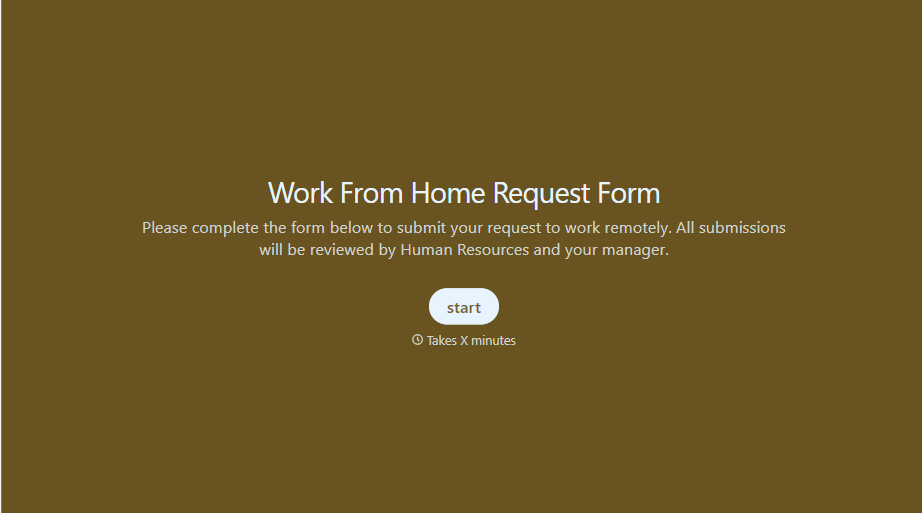
Work From Home Request Form
A Slack message asking to work from home on Thursday isn't a request anyone can track, especially once the same employee has asked five different ways over a month. Collect the request type, dates or schedule, and manager approval in one place, so HR isn't reconstructing who's working where from a scattered inbox.
View template
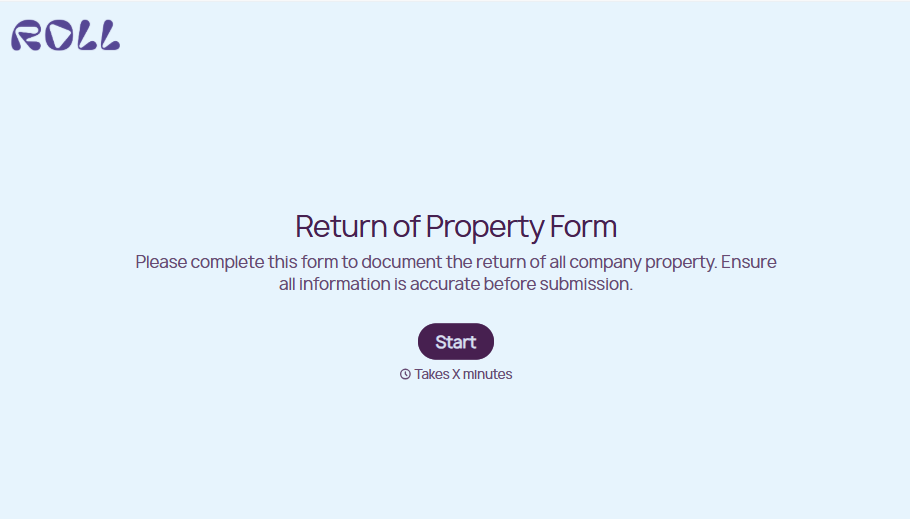
Return of Property Form
A property checklist stapled to an exit interview packet isn't a record anyone can rely on when a laptop turns up missing three weeks later. Collect itemized equipment details, condition at return, and a signed acknowledgment before an employee's last day, so IT isn't chasing down a laptop that already walked out the door.
View template
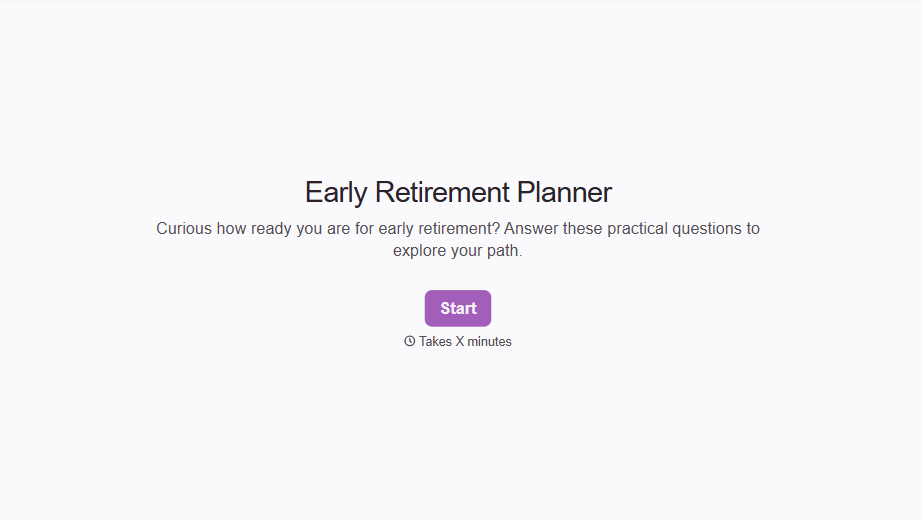
Early Retirement Form
A retirement mentioned to a manager in conversation doesn't give HR anything to actually process, and if there's an incentive deadline attached, the date that conversation happened can matter more than anyone realized at the time. Collect what your HR team actually needs, employee information, requested date, and benefit elections, before a window closes.
View template
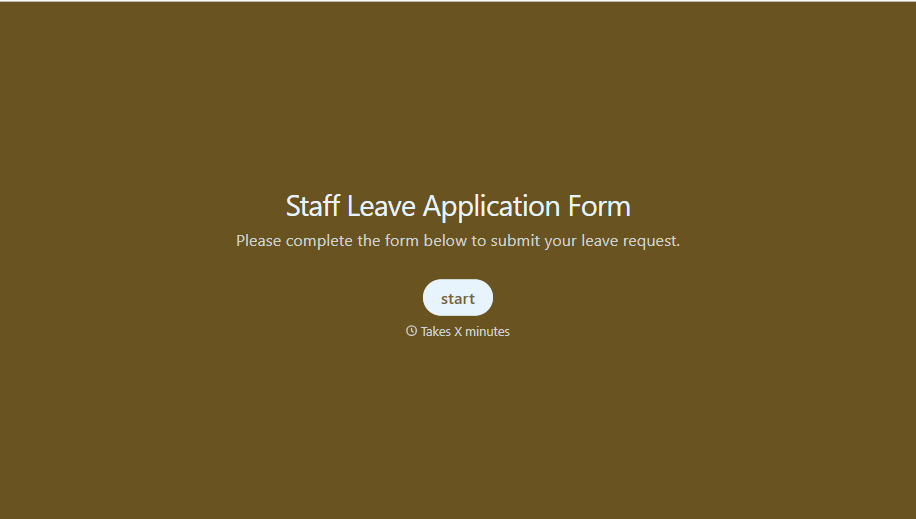
Staff Leave Application Form
A vacation request approved with a thumbs-up emoji in Slack isn't the kind of record payroll can work from when it's time to reconcile someone's leave balance. Collect the leave type, dates, and manager approval in one place, so a team doesn't accidentally double-book someone's time off.
View template
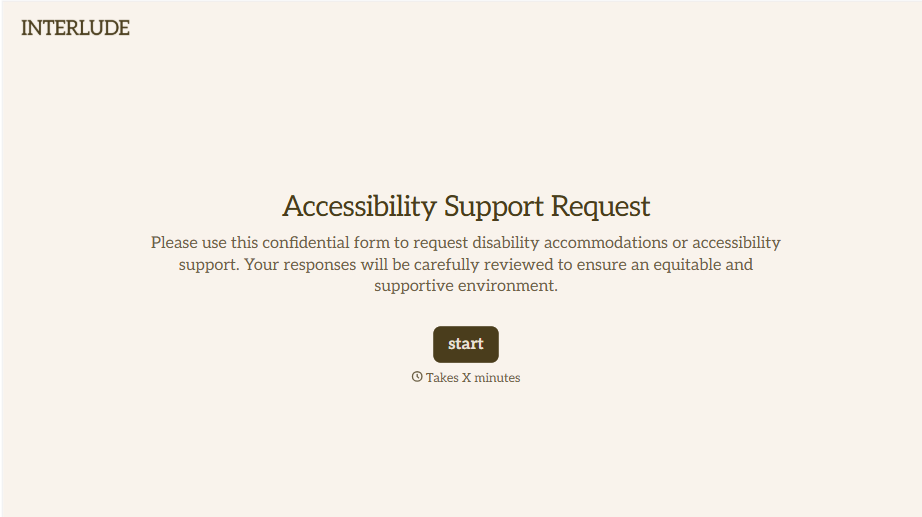
Disability Accommodation Request Form
A quiet word to a manager about needing a different desk setup isn't the kind of request that starts a documented process. Collect the specific accommodation needed and any supporting information before a decision gets made informally, so a request doesn't get lost between a hallway conversation and HR's desk.
View template
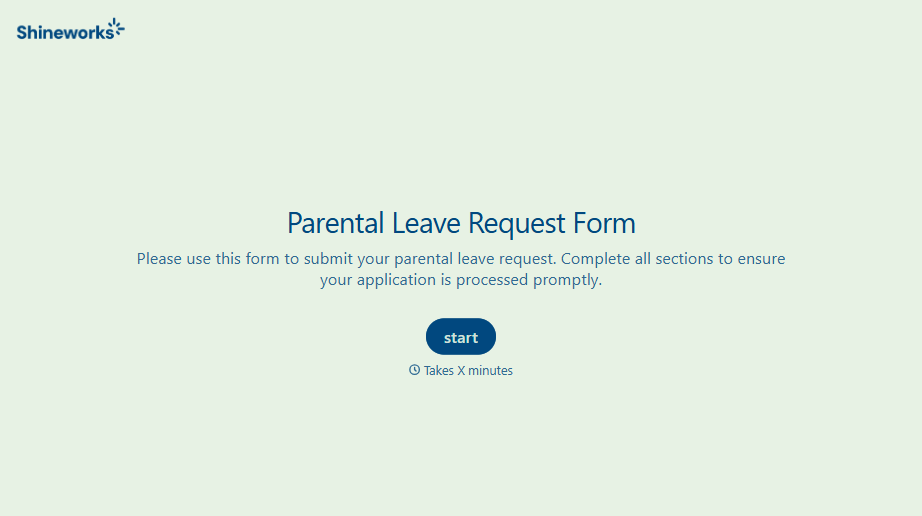
With Typeform, you can customize everything
Change text, colors, and even logos to match the look and feel of your brand. Then embed forms smoothly onto web and email.
Make forms feel effortless to fill out. Pace questions, call people by their name, and adapt the flow based on the data they share.
Stay efficient by connecting forms to your workflow. Typeform integrates with 300+ tools including Slack, Zapier, and HubSpot.