Engineering Change Order Template
Manage design changes without derailing your entire production timeline.


In manufacturing and engineering, changes are inevitable. A material needs substituting, a dimension needs adjusting, or a client requests a modification mid-production. But without a formal change order process, those changes ripple through your operation in unpredictable ways. Wrong parts get ordered. Old drawings stay in circulation. Teams work from outdated specs.
This engineering change order template creates a clear, auditable process for requesting, reviewing, and approving changes. The form captures the part or assembly affected, the nature of the change, the reason, impact assessment, and required approvals. Conditional logic adjusts fields based on change severity, so a cosmetic update requires less documentation than a structural modification.
Submit, route for approval, and track every change in one place. Integrate with your PLM system, document repository, or project tracker so everyone works from the latest revision, every time.
An engineering change order (ECO) is a formal document that authorizes a modification to a product's design, components, materials, or manufacturing process. It specifies what's changing, why, and what impact it will have on production, inventory, and documentation. ECOs are a core part of configuration management in engineering and manufacturing.
Without one, changes happen informally through conversations, emails, or sticky notes on a workbench, and the risk of errors multiplies. A formal ECO process ensures every change is documented, reviewed for impact, approved by the right people, and communicated to every team that's affected. It's the difference between controlled evolution and chaotic firefighting.
- Part number, assembly name, and current revision level
- Description of the proposed change with before/after specifications
- Reason for the change (cost reduction, quality issue, client request, regulatory)
- Impact assessment on production, inventory, tooling, and documentation
- Urgency level and requested implementation date
- Approver names and signature fields for each review stage
Use conditional logic to create tiered approval paths. A Class 1 change (cosmetic or documentation only) might require a single engineering sign-off. A Class 2 change (functional modification) routes to engineering, quality, and production. A Class 3 change (safety or regulatory impact) adds executive and compliance review. This way, minor changes don't get bogged down, and major ones get the scrutiny they deserve.
Each approved ECO should trigger a revision update on all affected documents: drawings, BOMs, work instructions, and inspection plans. Include a field in the form for listing every document that needs updating. When the ECO is approved, those documents get revised and the old versions are archived. This keeps your entire team working from a single source of truth.
Get inspired by relevant templates and categories
3200+ Templates, 300+ Integrations
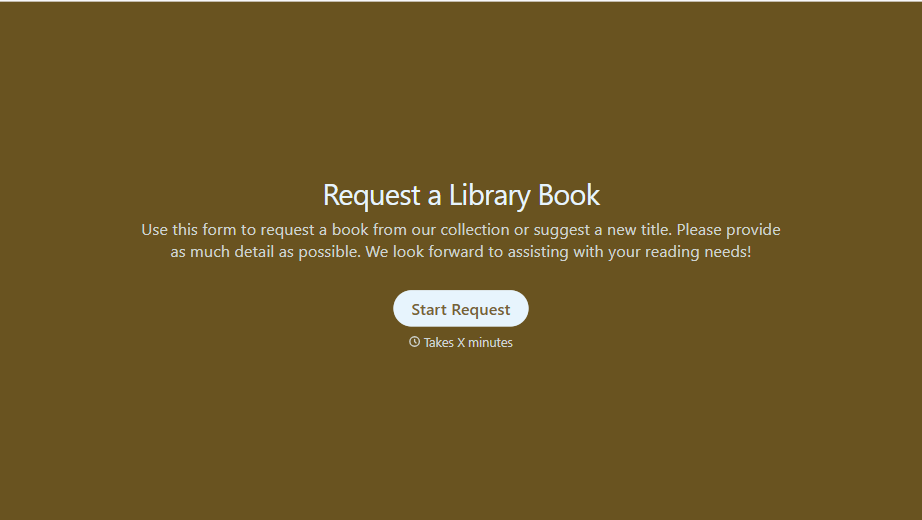
Library Book Request Form
A book request scrawled on a sticky note at the front desk doesn't make it into any queue, and it definitely doesn't get anyone a call when the book actually arrives. Collect what your library actually needs, the title, patron information, and how they'd like to be notified, before the note gets buried under the next stack of returns.
View template
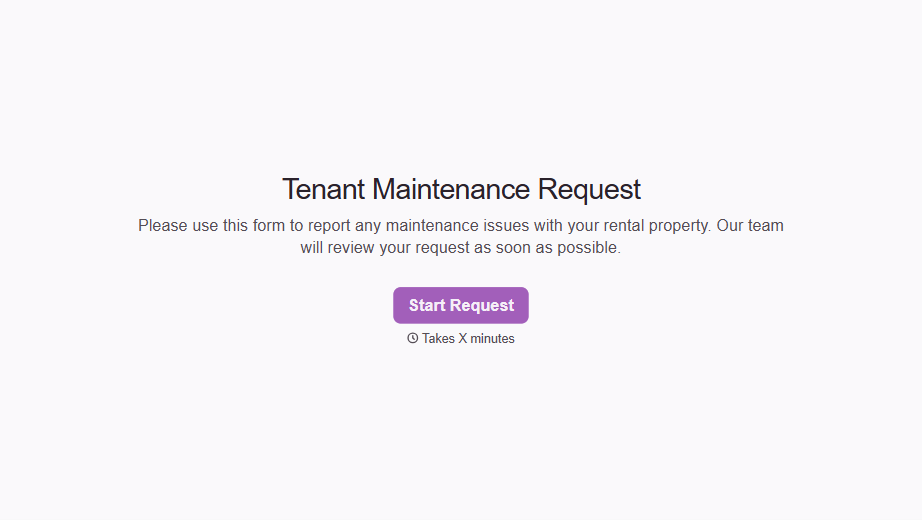
Tenant Repair Request Form
A text message about a leaky faucet sent at 11pm isn't a work order your maintenance team can act on efficiently, especially without a photo or a unit number attached. Collect the property, the issue, and how urgent it is before the request lands in someone's texts, so a repair doesn't wait on a landlord scrolling back through old messages.
View template
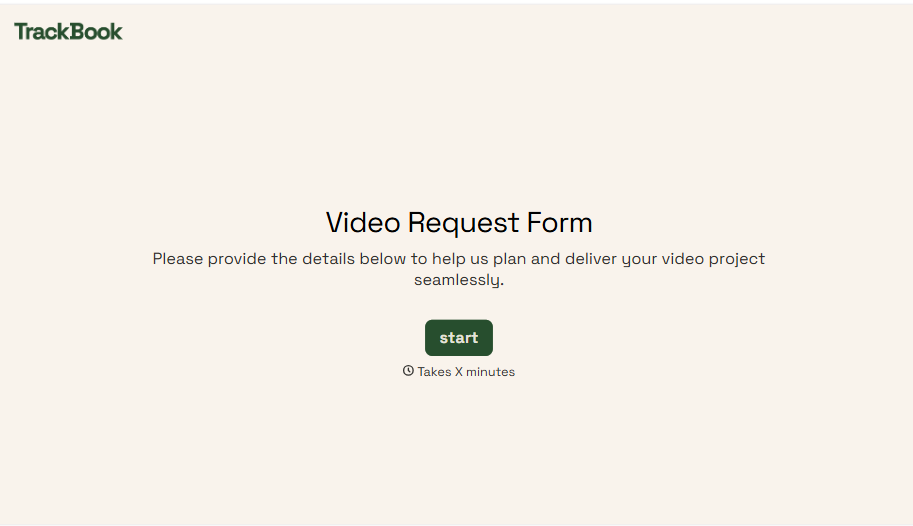
Video Request Form
A Slack message asking for "a quick video for the launch" isn't a creative brief your video team can actually start from. Collect the project purpose, deadline, and deliverable specs before the request lands in a queue, so your team isn't reworking a video built on assumptions the requester never actually stated.
View template
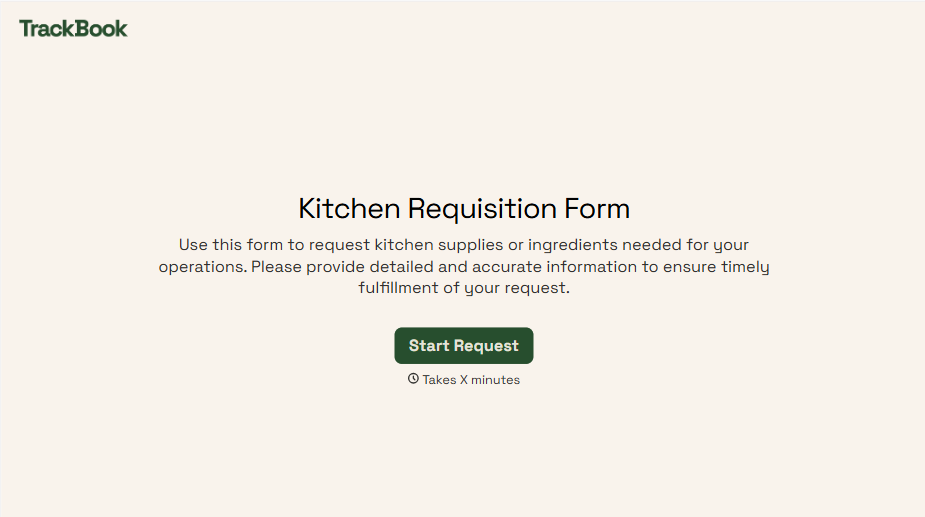
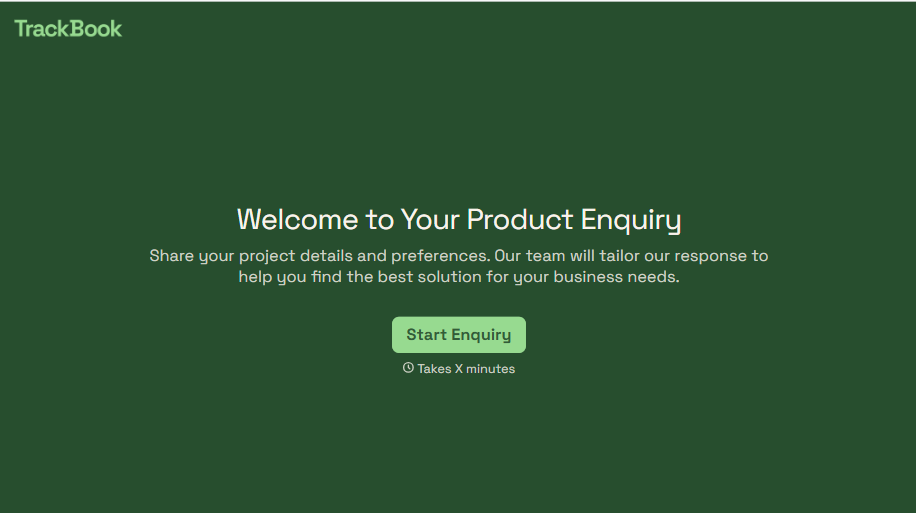
Product Enquiry Form
A generic "I'm interested in your product, can you tell me more?" email doesn't tell your sales team which product, what quantity, or what the customer's actually trying to do with it. Collect what your team actually needs, product interest, quantity, and use case, before you reply.
View template
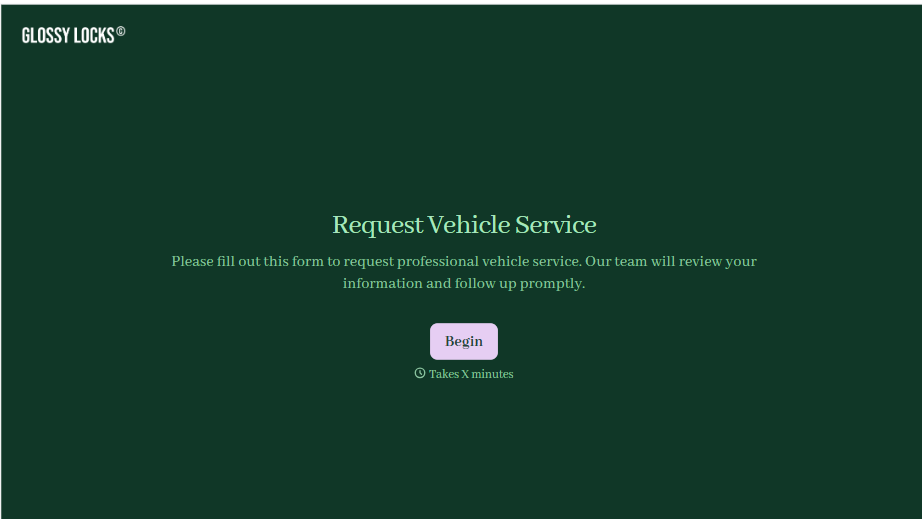
With Typeform, you can customize everything
Change text, colors, and even logos to match the look and feel of your brand. Then embed forms smoothly onto web and email.
Make forms feel effortless to fill out. Pace questions, call people by their name, and adapt the flow based on the data they share.
Stay efficient by connecting forms to your workflow. Typeform integrates with 300+ tools including Slack, Zapier, and HubSpot.