Verbal Warning Form
Document verbal disciplinary conversations the moment they happen, so every warning is on record.



Verbal warnings often go undocumented, and managers handle similar situations differently. Without a consistent record, there's no paper trail when a pattern needs to be addressed. Inconsistent or lack of documentation also exposes the organization to legal risks when disciplinary decisions are challenged. Typeform's verbal warning form template gives HR teams and managers a defined process to document every informal disciplinary conversation, in a standard format.
The form captures the essentials—employee name and role, date of the conversation, a description of the issue, and the expected behavior change. Managers move through the form one question at a time, so nothing important gets skipped. Conditional logic adapts the form based on each manager's answers. A manager selecting "performance issue," for example, sees different follow-up fields than one selecting "conduct issue," keeping form questions relevant to the situation being documented.
Customize the form to reflect your company's disciplinary categories and language. Share via a private link or send directly to the manager involved. Every submission connects to a secure HR folder via Google Drive or your HR system through Zapier. Keep every verbal warning on record, not scattered across inboxes and unreliable memory.
A verbal warning form is a structured document HR teams and managers use to record informal disciplinary conversations. It captures key details like the employee's name and role, the date of the conversation, the nature of the issue (e.g., attendance, conduct, performance), and the expected corrective action. Without it, it’s as if the conversation never happened at all.
A complete verbal warning form covers:
- Employee name, role, and department
- Manager name
- Date and location of the conversation
- Description of the issue or behavior
- Expected behavior change or corrective action
- Timeline for improvement
- Acknowledgment field (optional)
No. A verbal warning is informal and typically the first step in a progressive discipline process. A written warning creates a formal record with greater implications for the employee's standing. This form bridges the gap—it documents the verbal conversation without escalating it to a formal written warning, giving you a paper trail without changing the nature of the disciplinary action.
Employee signature is optional for verbal warnings, but it confirms that the conversation happened, reducing disputes later. If an employee declines to sign, note the refusal in the form and have a witness present when possible—documentation of the employee’s refusal to sign can still protect the organization if the warning is disputed.
Restrict form access in Typeform to HR administrators and the submitting manager. Use Zapier to route completed submissions directly to a secure, access-controlled HR folder in Google Drive or your HR platform. Only the relevant manager and HR team should see the record—not the employee's full team or broader organization.
Get inspired by relevant templates and categories
3200+ Templates, 300+ Integrations
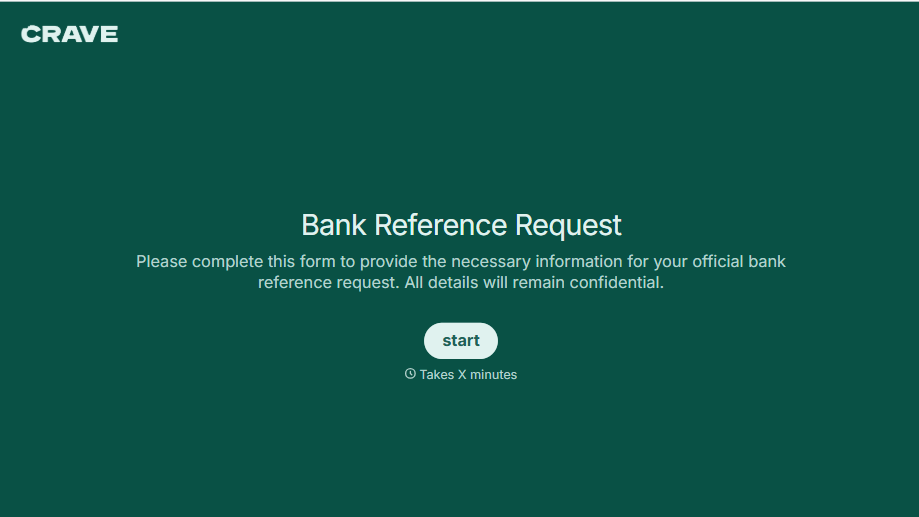
Bank Reference Form
A reference request faxed to a bank branch and left sitting in a queue for weeks isn't the kind of turnaround a landlord or business can wait on. Collect the applicant's signed authorization and the specific details you need confirmed before the request even reaches the bank, so a decision isn't stuck behind a letter that hasn't come back yet.
View template
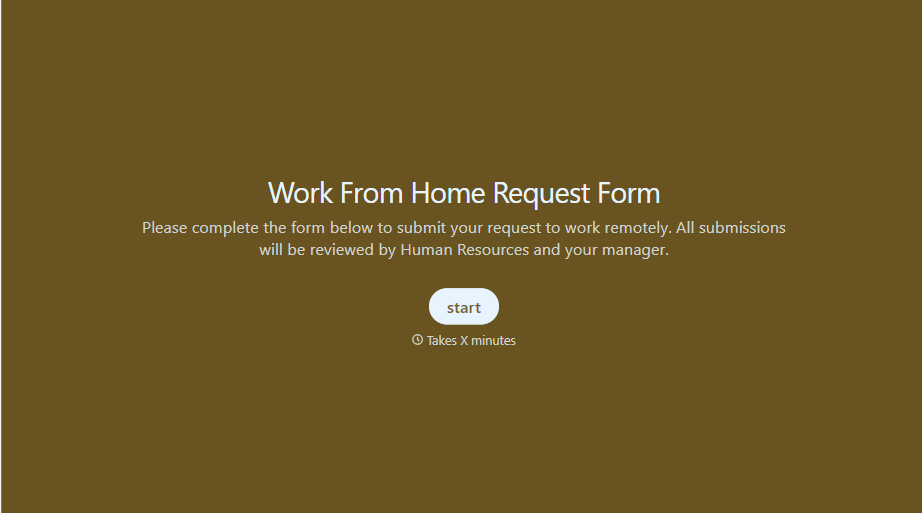
Work From Home Request Form
A Slack message asking to work from home on Thursday isn't a request anyone can track, especially once the same employee has asked five different ways over a month. Collect the request type, dates or schedule, and manager approval in one place, so HR isn't reconstructing who's working where from a scattered inbox.
View template
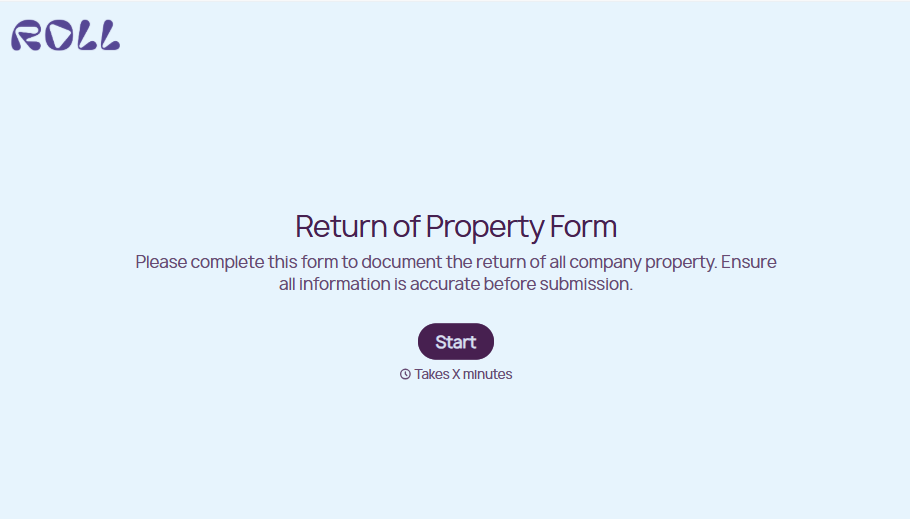
Return of Property Form
A property checklist stapled to an exit interview packet isn't a record anyone can rely on when a laptop turns up missing three weeks later. Collect itemized equipment details, condition at return, and a signed acknowledgment before an employee's last day, so IT isn't chasing down a laptop that already walked out the door.
View template
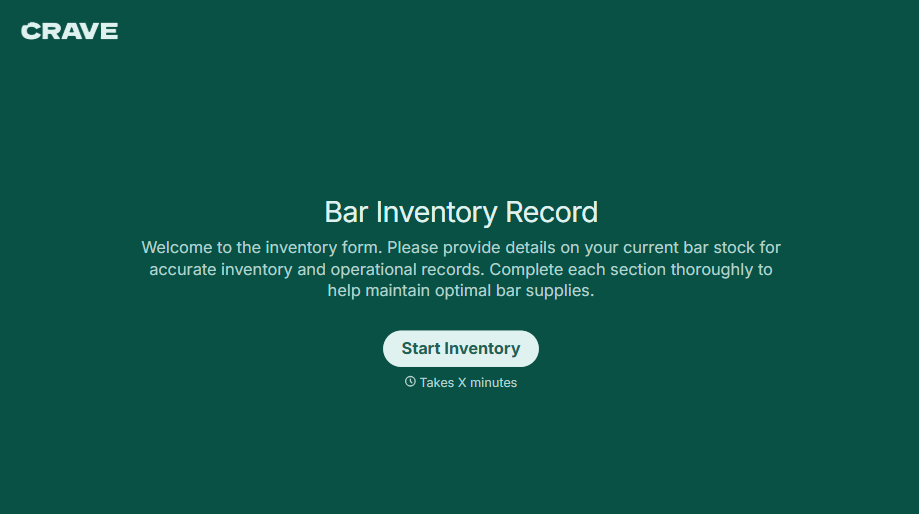
Bar Inventory Form
A bottle count eyeballed at the end of a shift and scrawled on a paper sheet doesn't hold up against a pour cost report that says something doesn't add up. Collect what your bar actually needs, item, count, and variance, on a schedule you can actually compare week to week.
View template
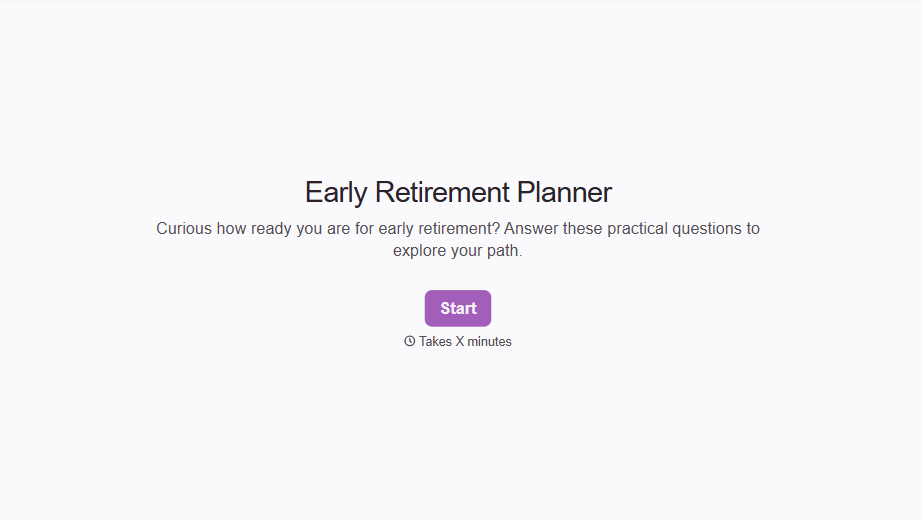
Early Retirement Form
A retirement mentioned to a manager in conversation doesn't give HR anything to actually process, and if there's an incentive deadline attached, the date that conversation happened can matter more than anyone realized at the time. Collect what your HR team actually needs, employee information, requested date, and benefit elections, before a window closes.
View template
With Typeform, you can customize everything
Change text, colors, and even logos to match the look and feel of your brand. Then embed forms smoothly onto web and email.
Make forms feel effortless to fill out. Pace questions, call people by their name, and adapt the flow based on the data they share.
Stay efficient by connecting forms to your workflow. Typeform integrates with 300+ tools including Slack, Zapier, and HubSpot.