Weight loss consultation form template
Start from what a client has already tried, so the plan you build isn't one that failed them before. Clients complete it at home, covering health history, medications, and what their week actually looks like.



Most people arriving for a weight loss consultation have done this before—often several times. They followed something that worked for three months and then didn't, and they can usually tell you exactly where it fell apart, if anyone asks. Typeform's weight loss consultation form collects weight loss history before the first appointment, so you know what's already failed before you suggest anything different.
Clients share their health background, medications, previous attempts, goals, and how their week is actually structured. A client managing a diagnosed condition answers about their medications and what their doctor has advised, while one who's worked through structured programs before answers about which ones and where each stopped working. Both map out their week, so you can see where a plan would have to fit.
You open the consultation knowing what's been tried, what the client's medical history rules out, and what their schedule realistically allows. The plan you propose fits the life they're living, which is usually the difference between a client who sticks with it and one who doesn't rebook.
A weight loss consultation form is an online form clients complete before their first appointment. It collects health background and medications, the approaches they've already tried, current eating and activity patterns, and what they want to achieve. Coaches, clinics, and dietitians use weight loss consultation forms to build plans that account for what hasn't worked before.
Without a weight loss consultation form, a client's history comes out in fragments across the first session, and often not the part that matters. They mention a program they tried, but not that it collapsed against shift work, or that a medication changed things partway through. A weight loss consultation form asks about previous attempts and what ended them, so you don't rebuild a plan that has already failed once.
Capture what shapes a realistic plan:
- Health history and medications
- Previous approaches and what ended them
- Current eating and activity patterns
- Goals and timeframe
- Schedule and daily constraints
Often more openly than they would in the room. Weight, past attempts, and eating habits are hard to say out loud to someone you've just met, and a form lets a client answer without watching your face while they do it. You get a fuller picture, and they arrive at the first session with the hardest part already said.
Yes. Typeform encrypts every response in transit and at rest, and meets major security standards including GDPR, SOC 2, and ISO 27001. Clients share health details and history they wouldn't tell most people, so those answers stay protected from intake onward.
Get inspired by relevant templates and categories
3200+ Templates, 300+ Integrations
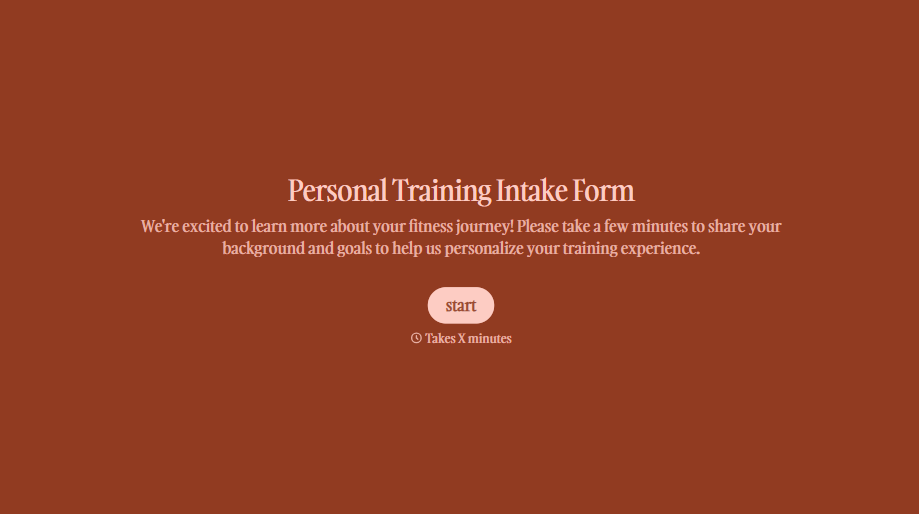
Personal Trainer Intake Form
A PAR-Q filled out in the lobby five minutes before a first session isn't intake, it's a formality nobody has time to read closely. Collect health history, injury information, and fitness goals before the first session, so your trainer isn't building a program blind.
View template
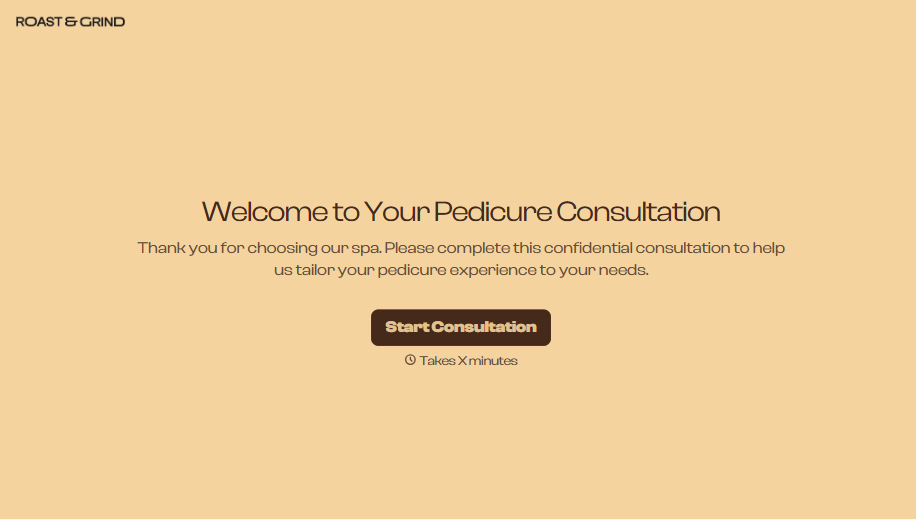
Pedicure Consultation Form
An intake card filled out on a clipboard while a client's feet are already in the soak isn't a consultation, it's a formality nobody reads closely. Collect foot health disclosures, allergy information, and service preferences before the technician picks up a tool, so nobody discovers a health condition mid-service.
View template

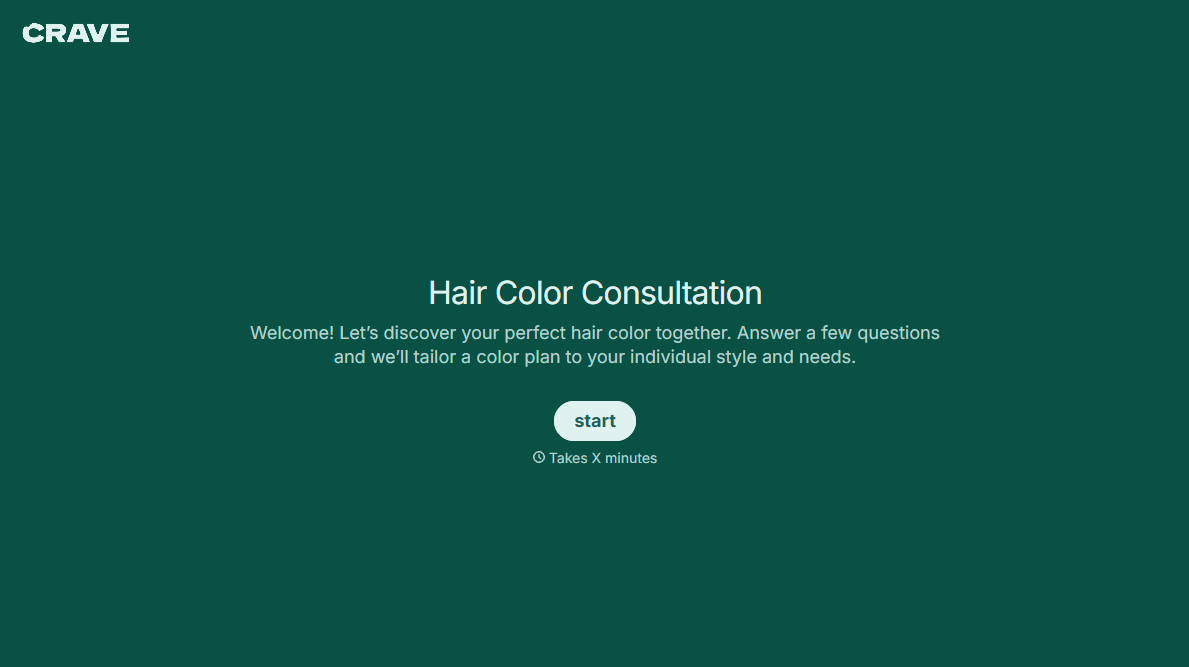
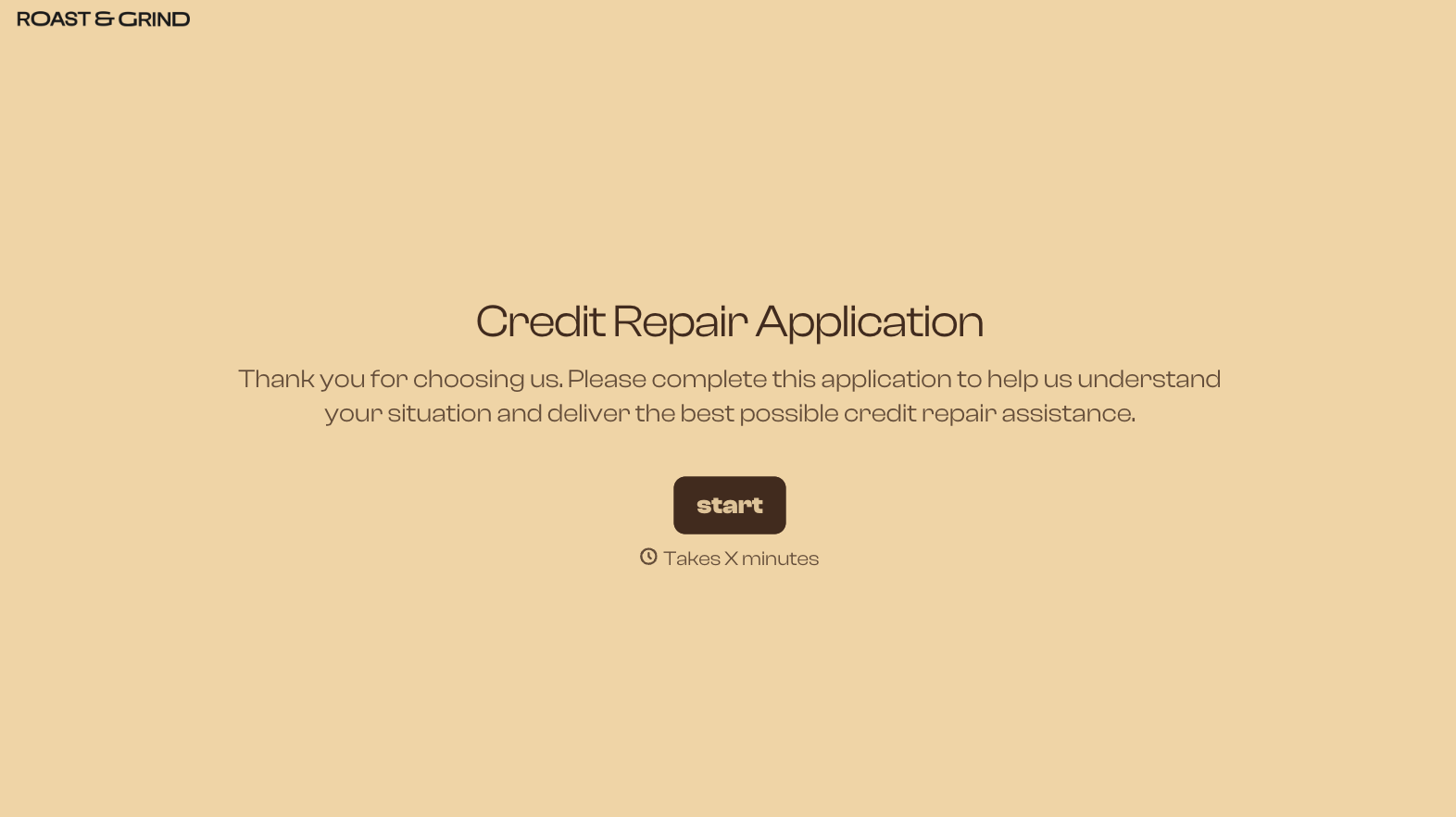

With Typeform, you can customize everything
Change text, colors, and even logos to match the look and feel of your brand. Then embed forms smoothly onto web and email.
Make forms feel effortless to fill out. Pace questions, call people by their name, and adapt the flow based on the data they share.
Stay efficient by connecting forms to your workflow. Typeform integrates with 300+ tools including Slack, Zapier, and HubSpot.