CSAT questions: 12 that reveal real insights
Customer satisfaction surveys getting vague answers (or no answers at all)? The problem isn't your customers, it's your questions. Use these 12 CSAT questions to ask the right questions at the right time to boost response rates—and help you improve your customer experience.
.webp)
You've optimized your customer satisfaction (CSAT) survey design, made it mobile-friendly, and are sending the survey out to the right customers at the right time.
So why's your response rate so low? And why are the answers so generic that they're not helpful?
Because not all customer satisfaction questions are created equal.
If you ask vague questions, you get vague answers. And bad questions yield bad data. Instead of asking good CSAT questions, most surveys ask:
- Confusing or lengthy questions your customers won't take the time to figure out
- Biased or leading questions that force a customer to answer a certain way (and bias your data)
- Double-barreled questions that confuse or force the same answer for different questions
The result? Survey abandonment, rushed answers, and worthless data.
The best customer satisfaction surveys go beyond simply asking customers how they feel. They ask the right questions at the right time to the right people.
And they do it in a way that makes people want to answer honestly—giving you worthwhile data vs. vague answers that get you nowhere.
A solid CSAT strategy paired with well-designed surveys and intentional questions is all you need. You create the strategy, and Typeform's customer satisfaction templates will do the heavy lifting—from design to flow, to questions—to help you collect more honest answers.
We're breaking down the 12 customer satisfaction questions worth asking, including when to use them and why they work.
How to write good CSAT questions
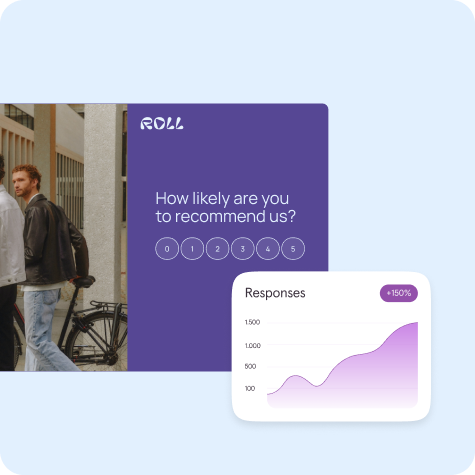
The best customer satisfaction questions are clear, specific, and require little effort to answer. Instead of using jargon or double-barreled questions, they focus on one thing and give customers a reason to respond honestly.
When writing your customer satisfaction questions:
- Keep them short
- Be as specific as possible
- Keep the survey short—surveys that take 7+ minutes to complete see increased abandonment rates
While your CSAT questions should be pretty straightforward, there's an art to writing them. Not your thing? Typeform AI can write the questions for you based on what you're trying to measure.
Let’s get into it.
12 customer satisfaction survey questions
You don't want to overwhelm your customers with a survey that asks everything. Instead, ask questions based on time-based events, like onboarding or a service interaction.
(This is why we're big into forms feeding flows. Actions—like a service interaction—trigger the next action, so you're constantly engaging your customers.)
Here's what (and when) to ask in your customer satisfaction survey.
Best customer satisfaction questions for overall experience
To gauge general customer satisfaction, ask your customers:
1. “How satisfied were you with your experience today?”
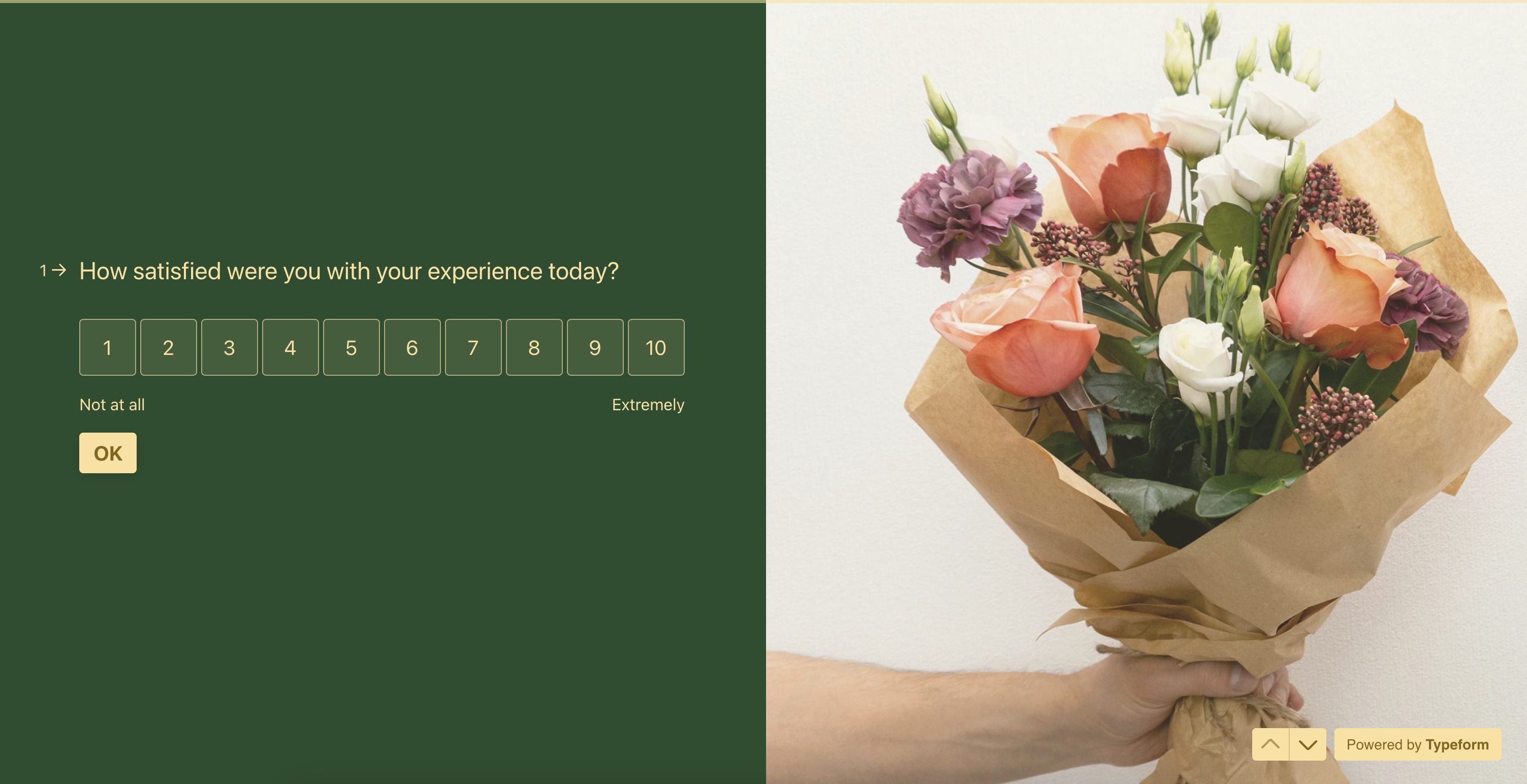
Ask this immediately after someone makes a purchase or interacts with your brand to get a baseline. It's a classic CSAT question that helps you identify whether there's something seriously wrong in the customer journey.
If you use Typeform, you can set up flows that trigger actions, like a Slack notification to your customer success team when you receive scores of 5 or below, so they can follow up before frustration grows.
2. “What about your experience with us stood out the most?”

Pair this customer satisfaction question with the above to surface what drove that score (good or bad) without leading the customer toward a specific answer.
Support-specific customer satisfaction questions
Support interactions are make-or-break moments. Ask these questions to see how your team handled them:
3. "How satisfied are you with the help you received?"
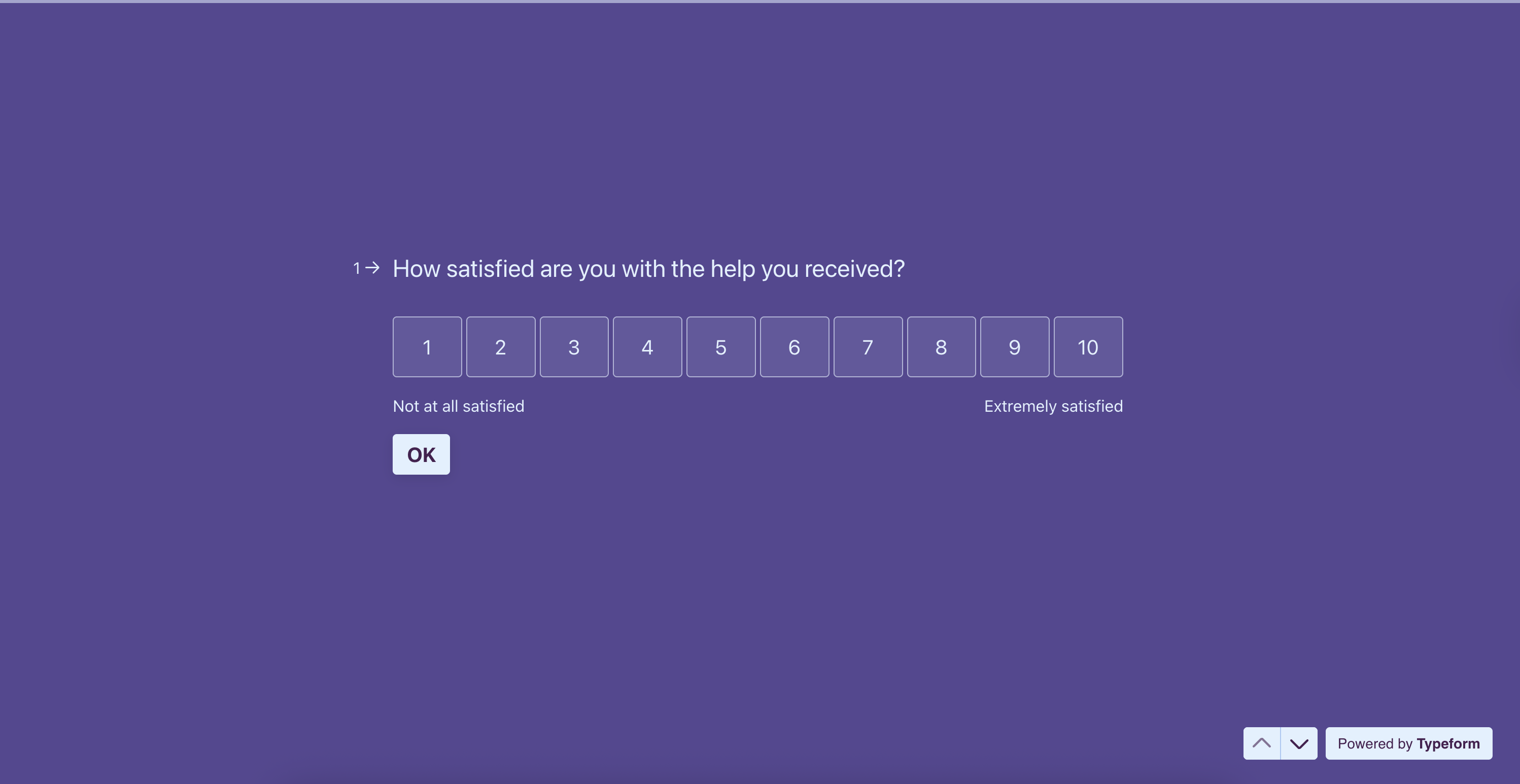
Ask this right after a support interaction to measure a customer's experience with your team—not just whether the issue got resolved.
And use Clarify with AI to automatically follow up based on their response and dig into what could've gone better.
4. "Did we resolve your issue today?"
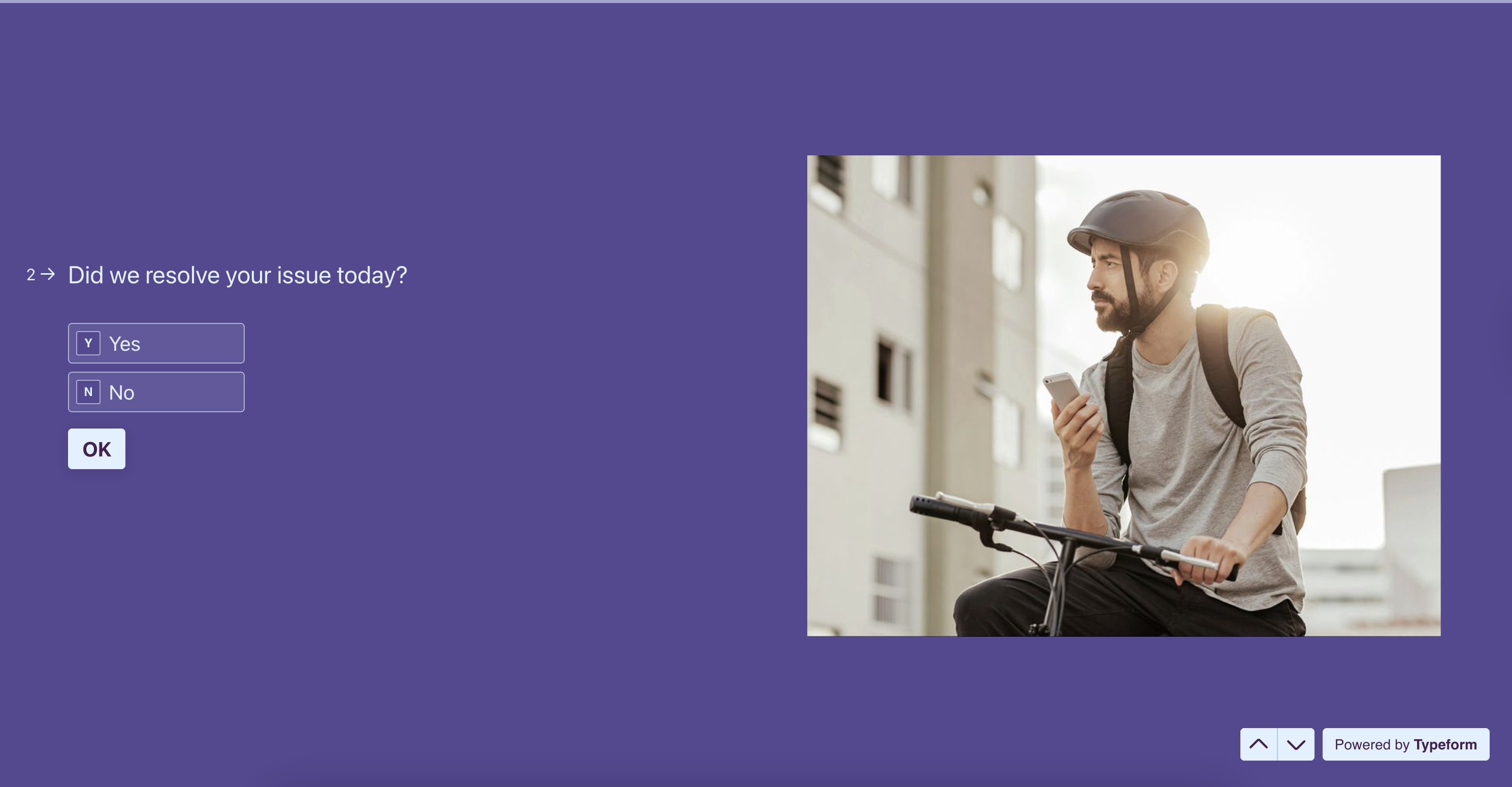
It's a simple binary question, but it lets you make things right ASAP if they answer "No." You can also use this data to track first-contact resolution to improve customer experience and make your support team more efficient.
5. "What could we have done better?"
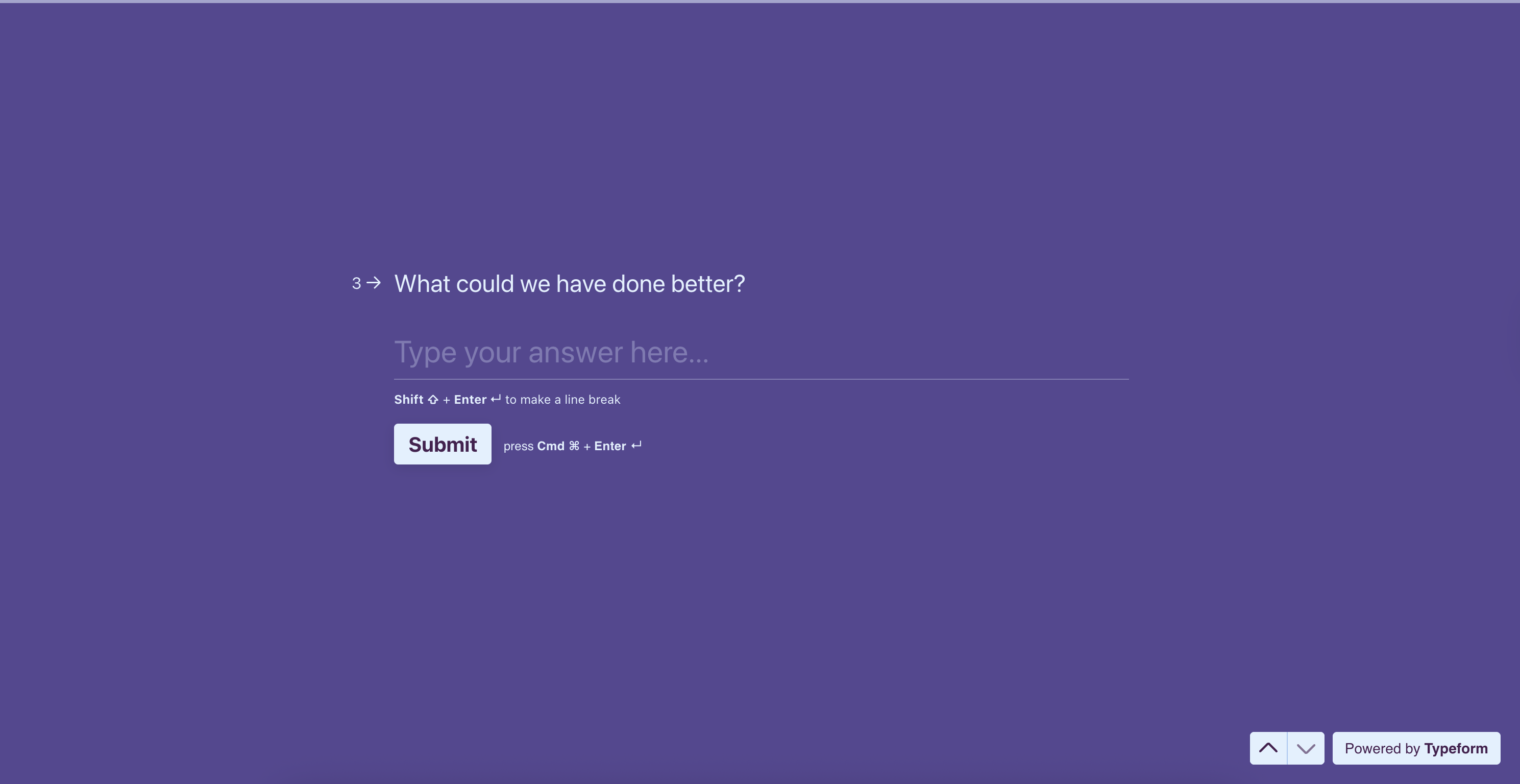
This question works best as an open-ended follow-up to a low score. Give customers the option to respond with video. This lets them tell the full story and lets you pick up on tone and body language you'd never get from text alone.
CSAT questions to measure product or feature usage
Get an idea of how well-loved or unused new product features are by asking these customer satisfaction questions:
6. “How satisfied are you with [feature]?"
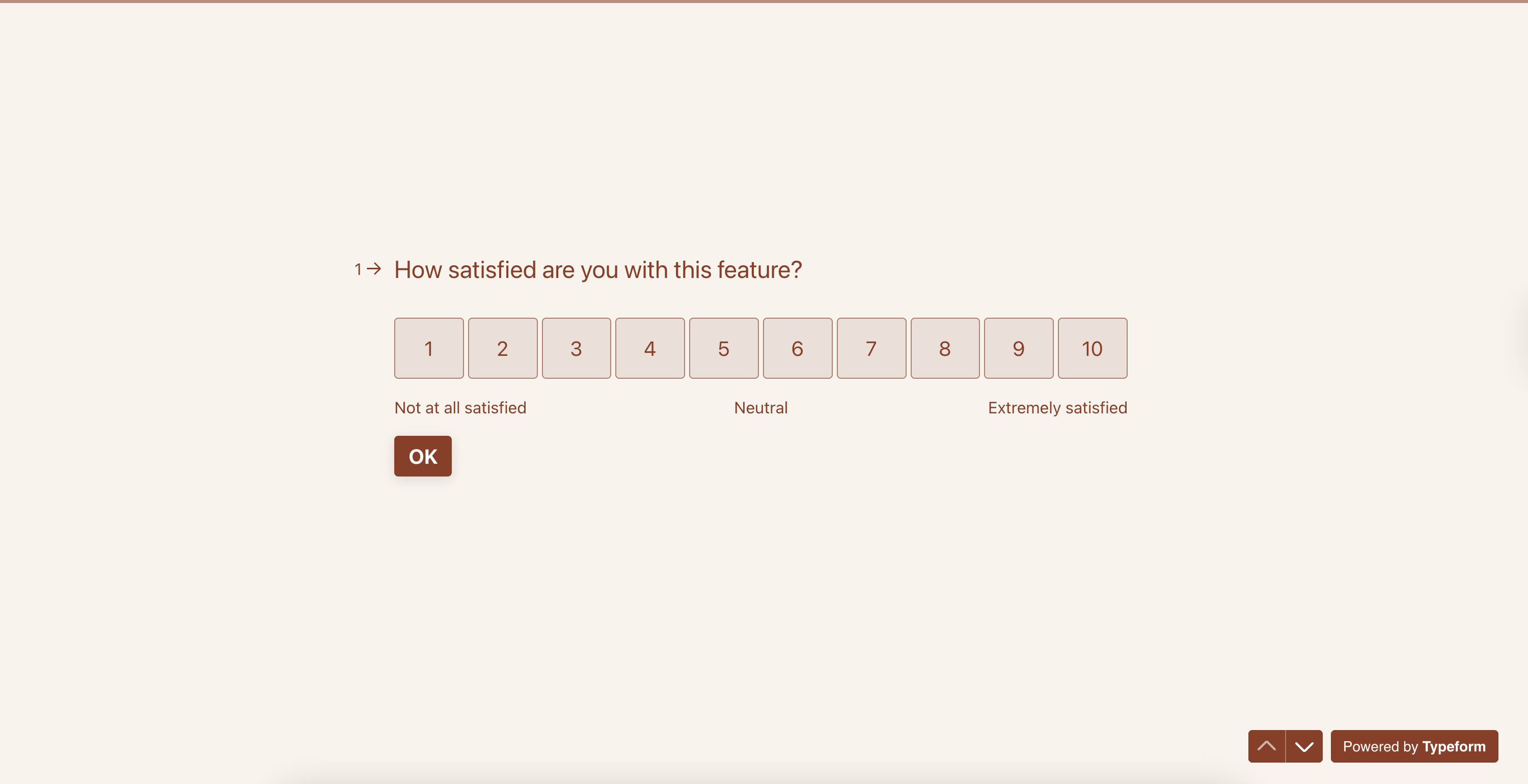
Ask this after a customer uses a specific feature for the first time, after a major update, or post-onboarding. It gives your product team targeted feedback and can guide your product roadmap with impactful features customers will actually use.
7. "Were any of the features confusing or unexpected?"
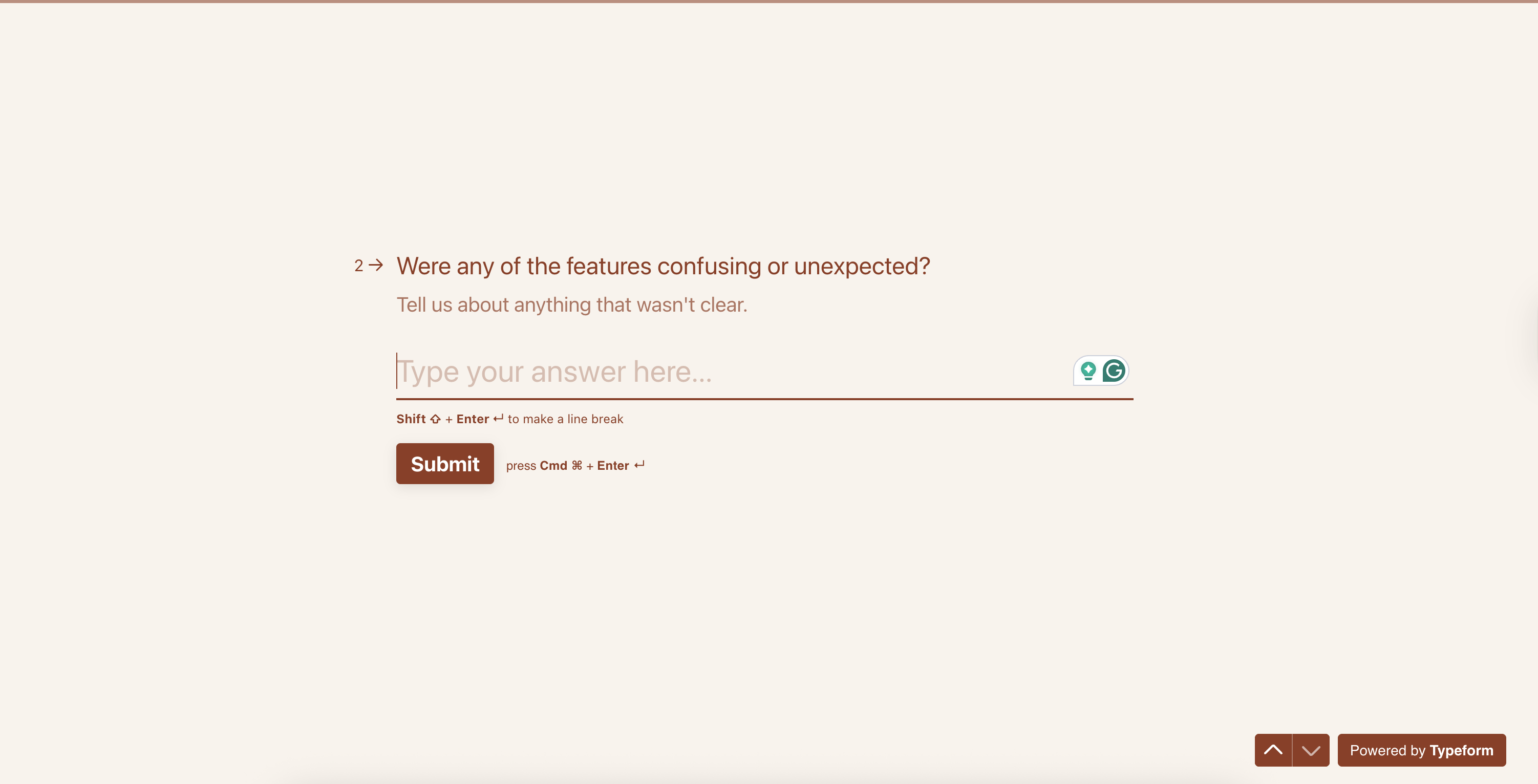
Send this question shortly after onboarding, while customers are exploring features. Make sure you use logic to route customers who answer "Yes" to a follow-up question asking which feature confused them, so you don't have to guess.
Customer satisfaction questions about onboarding
The third most important factor leading to customer churn? According to Precusive, it's a poor onboarding experience. That's why you need to collect feedback about onboarding—ask these questions to do so:
8. "How clear was the onboarding process?"

Ask this within the first week of sign-up while the experience is still fresh. Unclear or difficult onboarding is a churn risk—this question helps you catch it early.
9. "What would have made onboarding easier?"
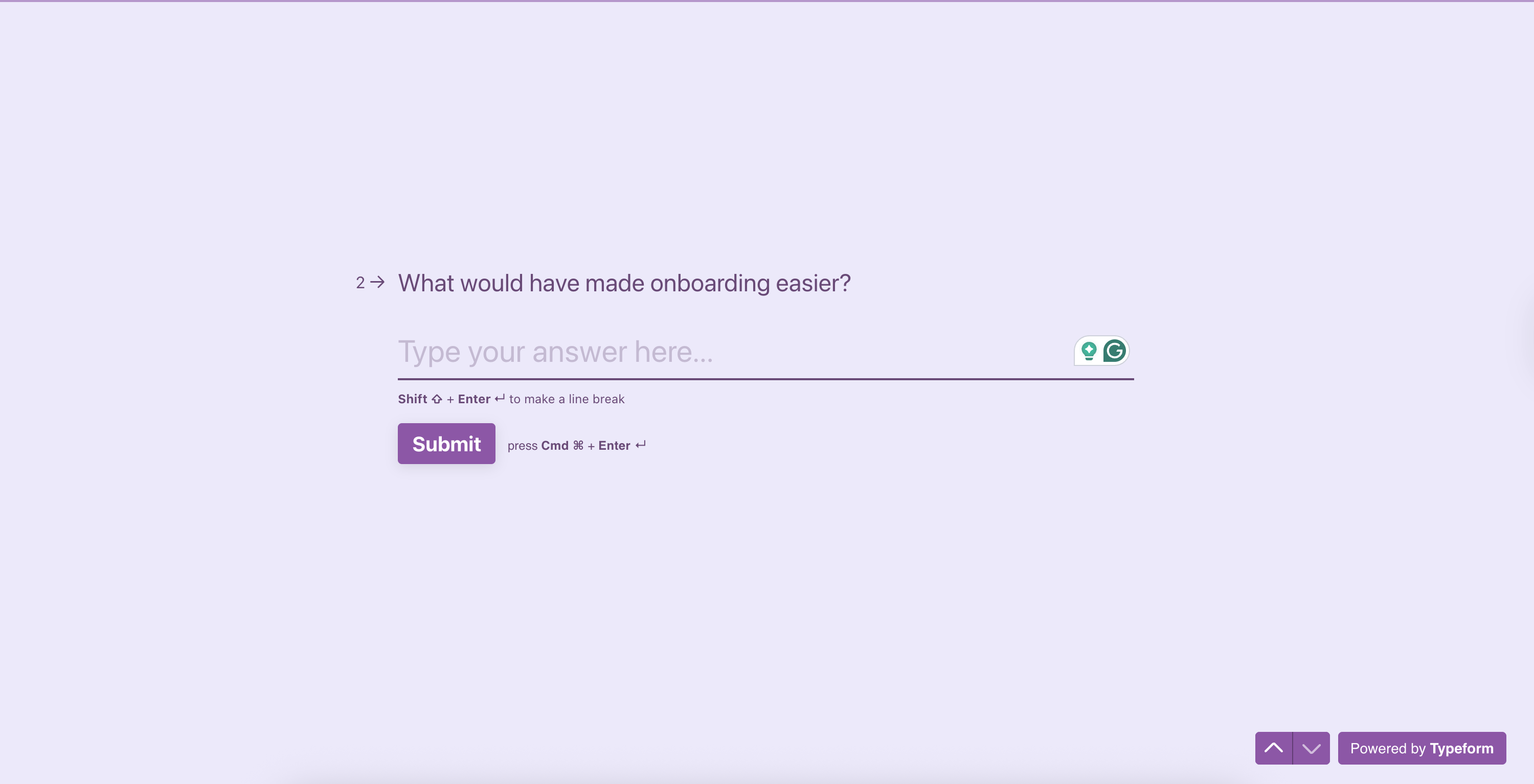
Pair this with the question above or ask it separately after onboarding wraps. Open-ended questions surface friction you didn't know existed and create a better onboarding experience.
Retention and churn prevention CSAT questions
Boost customer loyalty by catching problems fast and coming up with a solution before they lead to churn.
10. "How likely are you to continue using our product or service?"
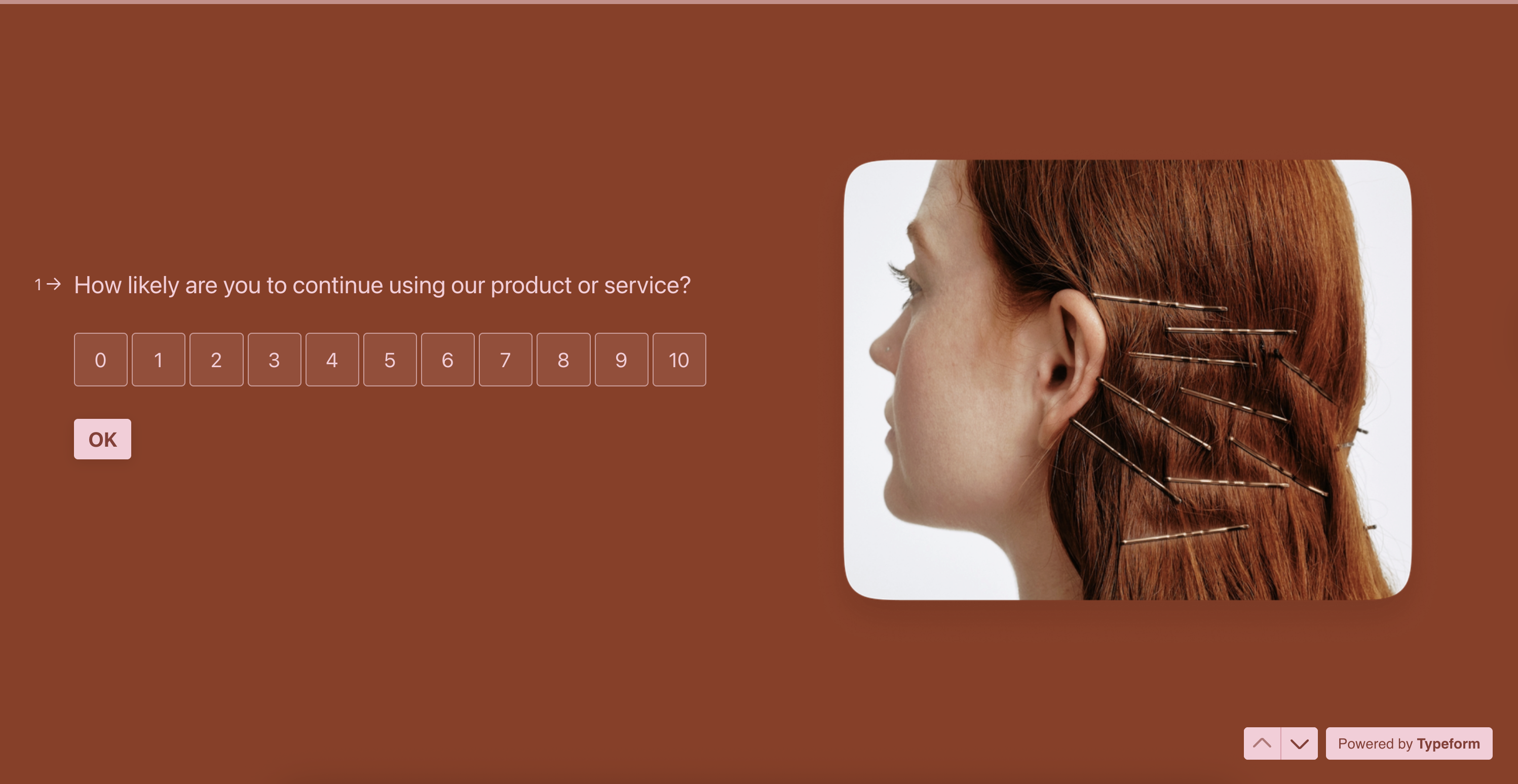
Ask this at natural lifecycle moments, like contract renewals, anniversaries, or after major milestones. It's a pulse check that can flag churn risk before it's too late.
11. "What almost stopped you from continuing?"
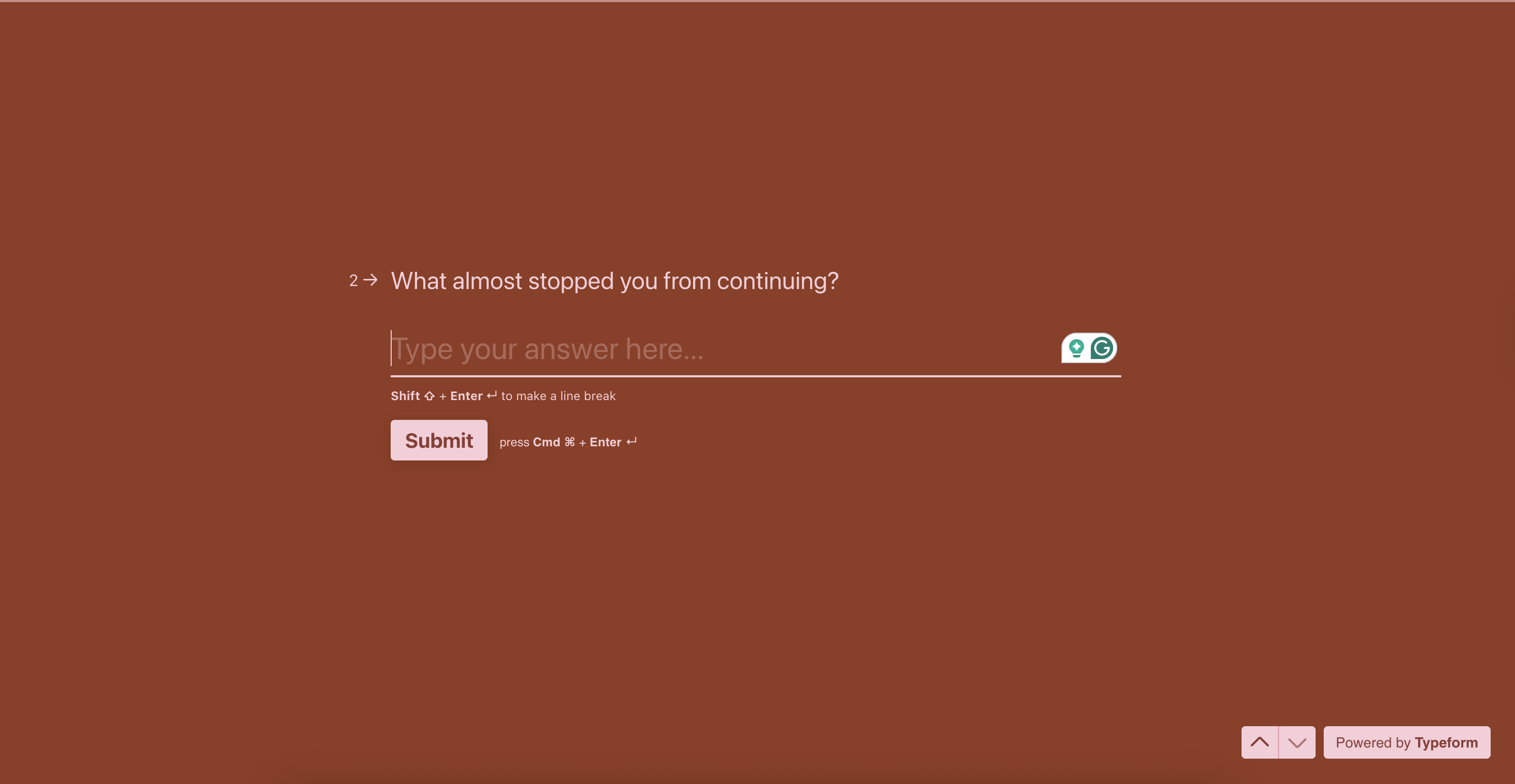
This customer satisfaction question helps you understand hesitation. Ask it after a renewal or re-engagement when the customer did stay, but almost didn't, to see what almost pushed them out the door.
The best customer satisfaction question for open feedback
Ask this to let customers share anything that's top of mind:
12. “Is there anything else we should know?”
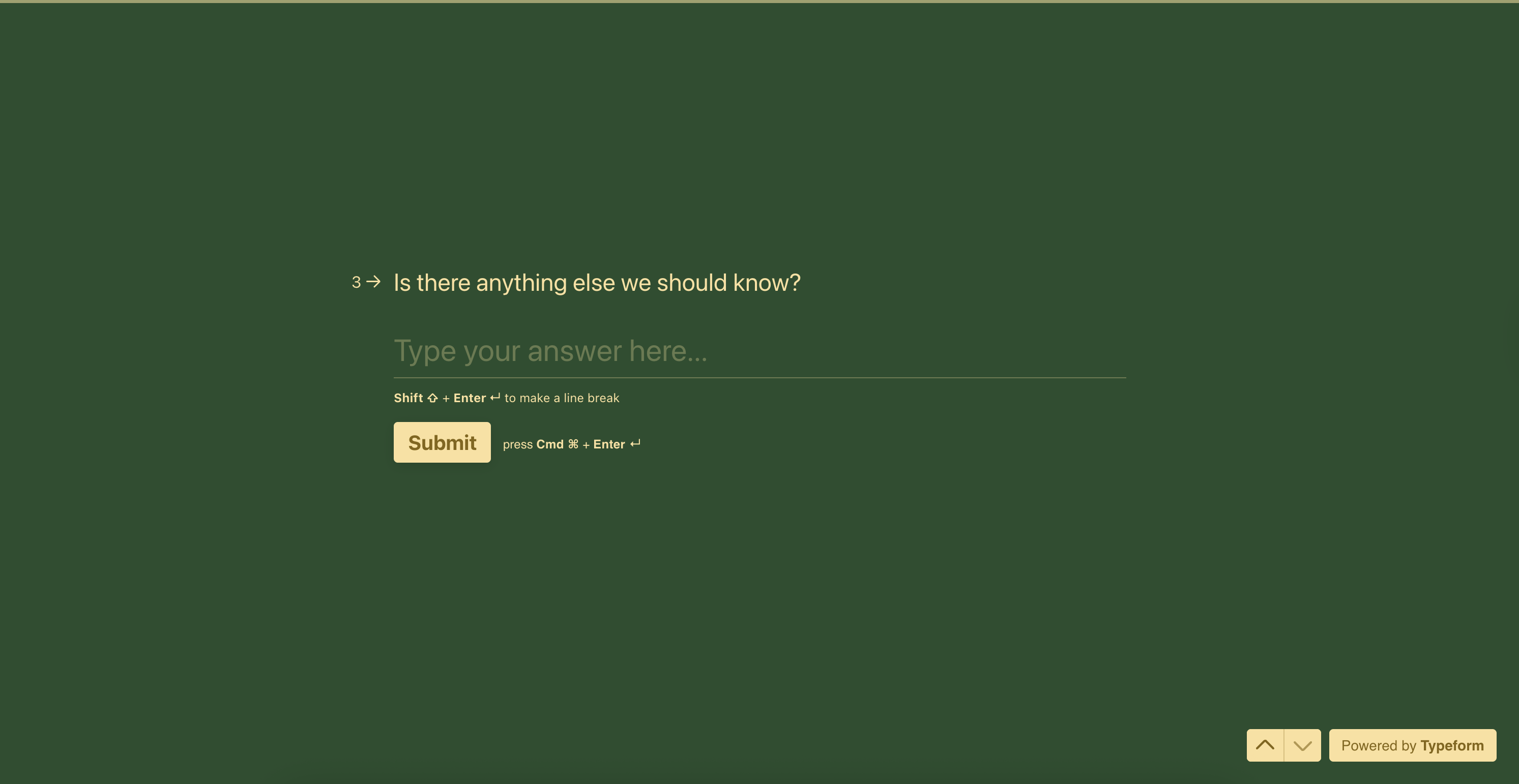
Whether it's post-onboarding, asking about features, or anything else, always ask this question at the end of your customer satisfaction survey.
It catches what other questions miss and gives customers space to share what's on their mind—no prompts, no constraints.
Get better answers by asking better customer satisfaction questions
Customer satisfaction surveys only work if customers complete them, and if their answers tell you something useful. But it's not all on them—you have to ask the right questions.
Asking better questions at the exact right moment is the difference between gathering actionable data and data that collects dust.
Ask the questions that directly connect to what you're trying to learn, nail the timing, and make it easy for customers to respond honestly to get the best data. And use Typeform to make your forms engaging, easy to complete, and perfectly on brand.
Try Typeform and start building better CSAT surveys.