Website Feedback Survey Template
Your analytics show what people do on your site. This survey tells you why.



You know your bounce rate. You know your conversion rate. You know which pages get the most traffic. What you probably don't know is why visitors leave without converting, what they were looking for but couldn't find, or what almost stopped them from buying. That's the gap between quantitative data and qualitative insight, and it's where website feedback surveys earn their keep.
This website feedback survey template captures visitor impressions while their experience is fresh. Short, focused questions cover overall satisfaction, navigation ease, content clarity, and task completion. Conditional logic digs deeper based on initial responses. A visitor who reports difficulty finding information gets asked what they were searching for, while a satisfied visitor is asked what impressed them most.
Embed the survey on specific pages, trigger it after key actions, or share it via follow-up email. Responses flow into Google Sheets, Slack, or your analytics platform through integrations, pairing qualitative feedback with your quantitative data. You stop guessing about user experience and start hearing directly from the people who matter most: your visitors.
A website feedback survey is a short questionnaire presented to website visitors to collect their opinions about the site experience. It measures satisfaction, usability, content quality, and whether visitors accomplished their goals. Unlike analytics, which tracks behavior, feedback surveys capture intent, perception, and emotion. The "why" behind the "what."
Timing matters more than most people realize. Post-purchase or post-conversion surveys capture impressions when engagement is highest. Exit-intent surveys catch visitors who are leaving and might never return. Delayed pop-ups (after 30-60 seconds or 50% scroll depth) target engaged visitors without interrupting newcomers. Avoid showing the survey on every page to every visitor. Targeted deployment gets better data and less annoyance.
- Overall satisfaction with the website experience (rating scale)
- Was the visitor able to find what they were looking for (yes/no + follow-up)
- How easy was the site to navigate (rating scale)
- What was the primary purpose of their visit today
- What one thing would they improve about the website
- How likely they are to return or recommend the site
Fewer than you think. For embedded or pop-up surveys, 3 to 5 questions is ideal. For post-purchase or follow-up email surveys, you can push to 7 or 8. Every additional question reduces completion rates. Start with one core metric (satisfaction or task completion), add one diagnostic question, and close with one open-ended question. That's enough to be actionable without being intrusive.
Categorize responses by theme: navigation issues, content gaps, performance complaints, design feedback. Prioritize by frequency and impact: if 30% of respondents say they couldn't find pricing information, that's a higher-priority fix than a color preference. Share feedback with design, content, and development teams in their native tools via integrations. Review feedback monthly and track whether changes improve satisfaction scores over time.
Get inspired by relevant templates and categories
3200+ Templates, 300+ Integrations
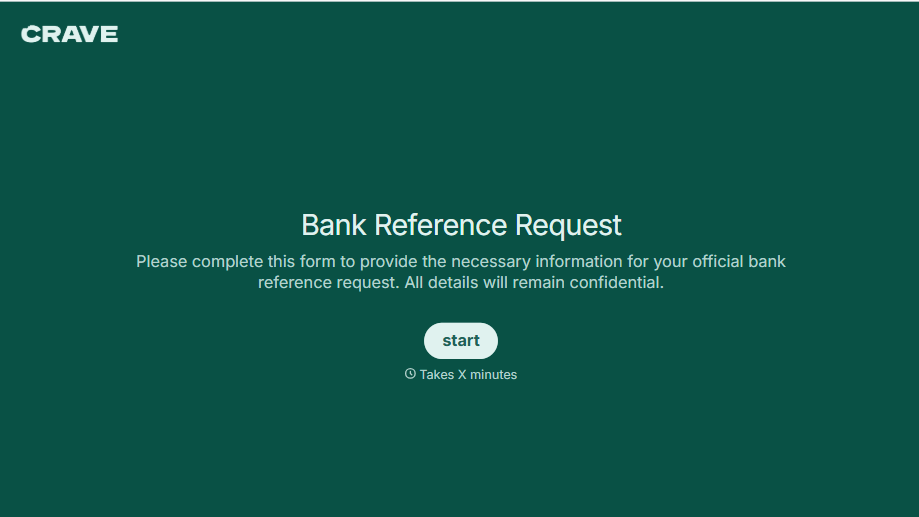
Bank Reference Form
A reference request faxed to a bank branch and left sitting in a queue for weeks isn't the kind of turnaround a landlord or business can wait on. Collect the applicant's signed authorization and the specific details you need confirmed before the request even reaches the bank, so a decision isn't stuck behind a letter that hasn't come back yet.
View template
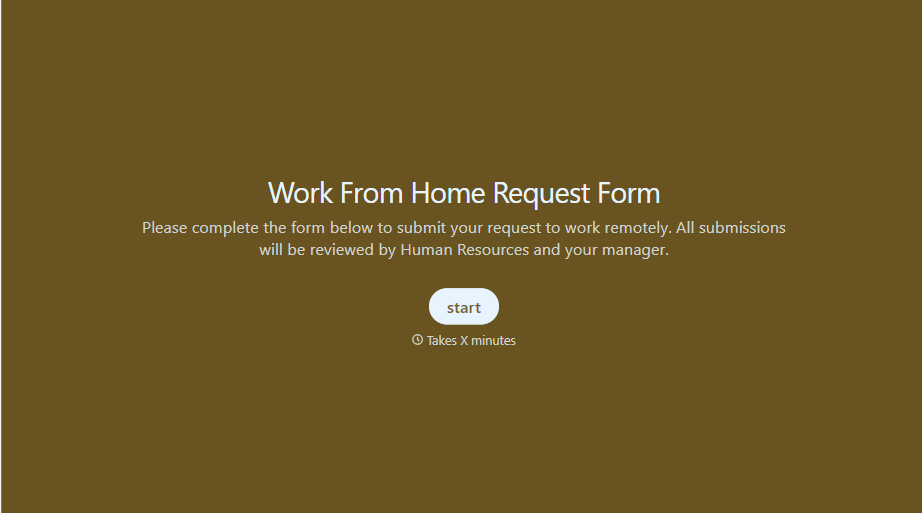
Work From Home Request Form
A Slack message asking to work from home on Thursday isn't a request anyone can track, especially once the same employee has asked five different ways over a month. Collect the request type, dates or schedule, and manager approval in one place, so HR isn't reconstructing who's working where from a scattered inbox.
View template
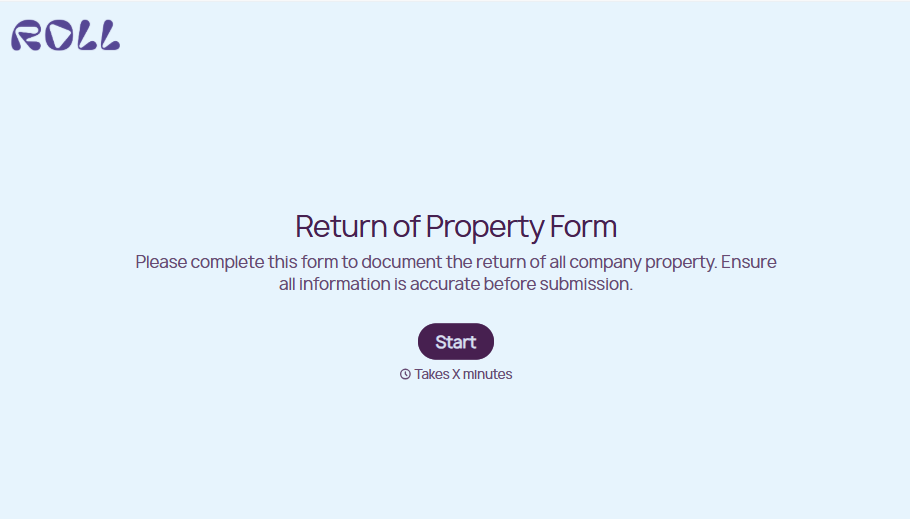
Return of Property Form
A property checklist stapled to an exit interview packet isn't a record anyone can rely on when a laptop turns up missing three weeks later. Collect itemized equipment details, condition at return, and a signed acknowledgment before an employee's last day, so IT isn't chasing down a laptop that already walked out the door.
View template
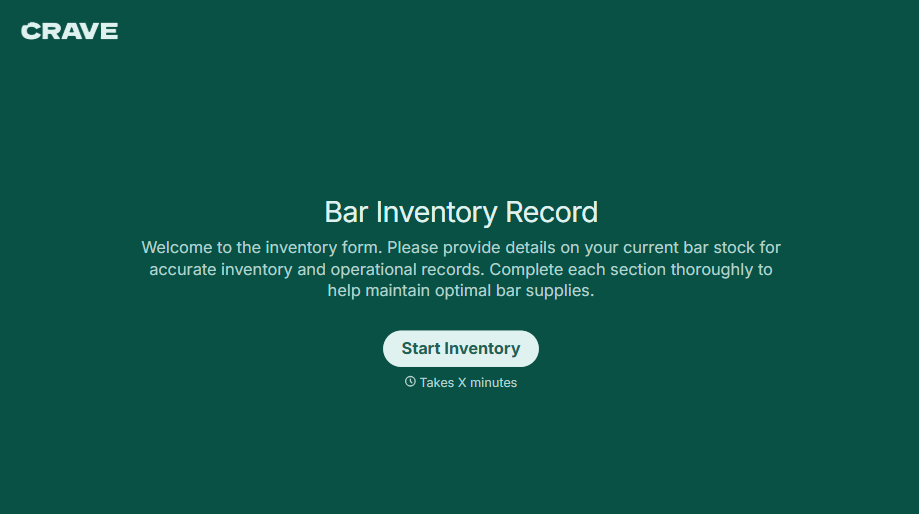
Bar Inventory Form
A bottle count eyeballed at the end of a shift and scrawled on a paper sheet doesn't hold up against a pour cost report that says something doesn't add up. Collect what your bar actually needs, item, count, and variance, on a schedule you can actually compare week to week.
View template
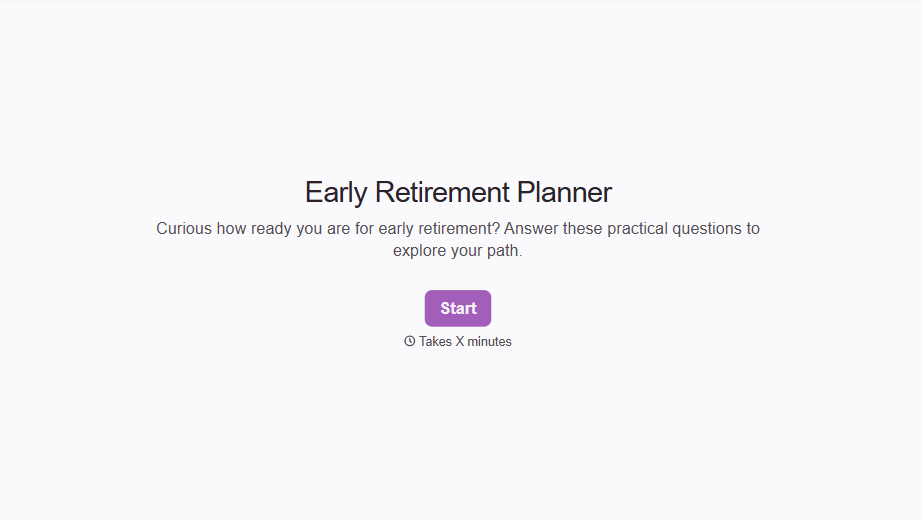
Early Retirement Form
A retirement mentioned to a manager in conversation doesn't give HR anything to actually process, and if there's an incentive deadline attached, the date that conversation happened can matter more than anyone realized at the time. Collect what your HR team actually needs, employee information, requested date, and benefit elections, before a window closes.
View template
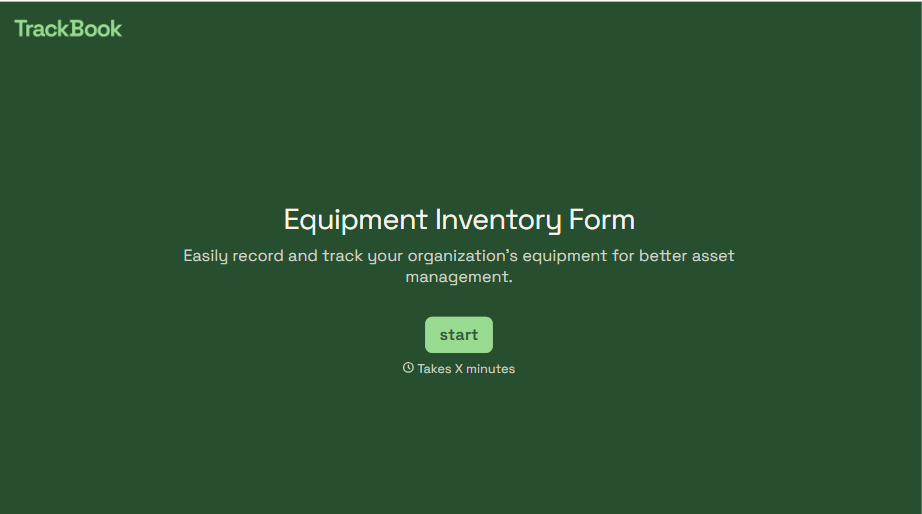
Equipment Inventory Form
Equipment that leaves a storage room in someone's arms, with no note about where it went, doesn't show up again until someone needs it and can't find it. Collect what your team actually needs, item details, condition, and who's got it, every time something moves.
View template
With Typeform, you can customize everything
Change text, colors, and even logos to match the look and feel of your brand. Then embed forms smoothly onto web and email.
Make forms feel effortless to fill out. Pace questions, call people by their name, and adapt the flow based on the data they share.
Stay efficient by connecting forms to your workflow. Typeform integrates with 300+ tools including Slack, Zapier, and HubSpot.