Internal Communications Survey
Find out if your internal communications are actually reaching employees. Collect clarity ratings, channel preferences, and information gaps in one organized survey.



Internal communications teams and HR leaders that measure message effectiveness through open rates and attendance figures rarely capture whether employees understand or act on what they receive. A company update that's unclear or incomplete leaves employees with more questions than direction. Typeform's internal communications survey gives comms teams a consistent way to collect feedback on how information flows across the organization.
The survey captures communication channel preferences, clarity ratings for recent messages, information gaps employees feel, preferred update frequency, and open-ended suggestions. Questions appear one at a time, so employees move through each topic without the survey feeling like another internal communication to skim. Conditional logic adapts the survey based on an employee's role or team. A frontline employee sees questions about shift-level communication and team updates; a remote employee sees questions about digital channel clarity and access to leadership.
Customize the survey to match your communication channels, team structure, and feedback priorities. Share it via email, your intranet, or a direct link from your internal comms platform. Every response feeds into Google Sheets or Airtable via Zapier, so your comms team spots patterns by department, role, and channel without manual sorting. Your comms team learns which channels employees actually use, what information they feel they're missing, and where messages break down..
An internal communications survey is a structured questionnaire that communications teams and HR leaders use to measure how effectively information reaches and resonates with employees across the organization. It captures channel preferences, message clarity ratings, information gaps, update frequency preferences, and open-ended feedback in one submission. Use this internal communications survey to make communication channel and content decisions based on real employee feedback.
Employees without clear information fill the gaps themselves, and rarely with the right context. Those gaps compound across teams and show up as duplicated effort, missed deadlines, and confusion about priorities. An internal communications survey tells you exactly where information is breaking down before it affects the work.
Focus on what reveals whether comms land:
- Preferred communication channels (email, Slack, intranet, all-hands, etc.)
- Clarity and relevance of recent company-wide communications
- Frequency of updates and whether it feels sufficient
- Information employees feel they're missing
- Trust and transparency in leadership communication
Yes. Add a department or role question at the start of the survey and use it to filter results in Google Sheets or Airtable after responses come in. For more advanced segmentation, use URL parameters to pre-fill the respondent's department automatically based on the link they receive. Your comms team identifies which groups are most and least informed without asking employees to self-sort.
Run a full internal communications survey twice a year, with shorter pulse checks after major announcements or organizational changes. A pulse survey sent within a week of a significant company update tells you quickly whether the message landed and what questions it left unanswered. Regular cadence also signals to employees that their feedback on communications is taken seriously.
Get inspired by relevant templates and categories
3200+ Templates, 300+ Integrations
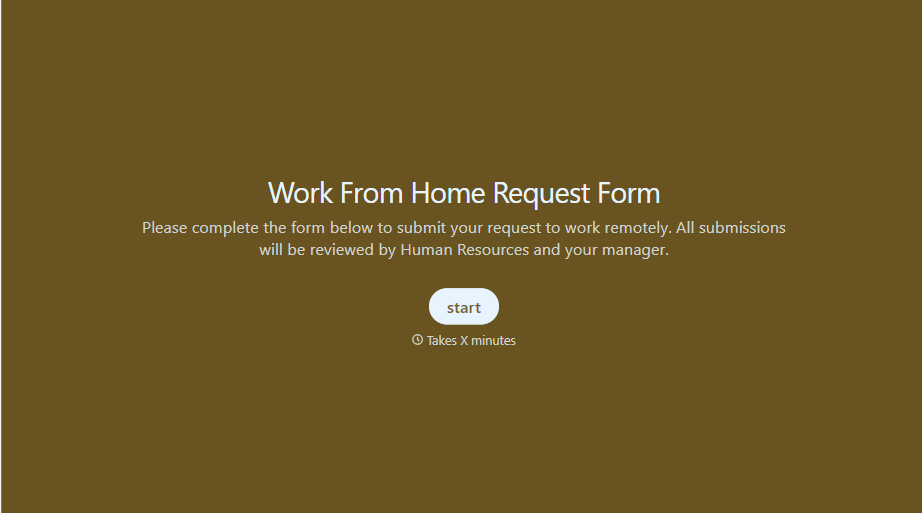
Work From Home Request Form
A Slack message asking to work from home on Thursday isn't a request anyone can track, especially once the same employee has asked five different ways over a month. Collect the request type, dates or schedule, and manager approval in one place, so HR isn't reconstructing who's working where from a scattered inbox.
View template
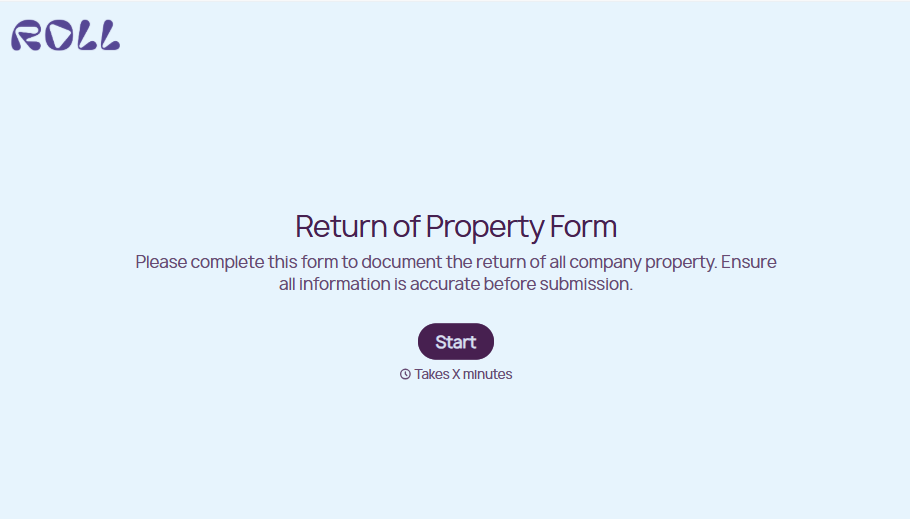
Return of Property Form
A property checklist stapled to an exit interview packet isn't a record anyone can rely on when a laptop turns up missing three weeks later. Collect itemized equipment details, condition at return, and a signed acknowledgment before an employee's last day, so IT isn't chasing down a laptop that already walked out the door.
View template
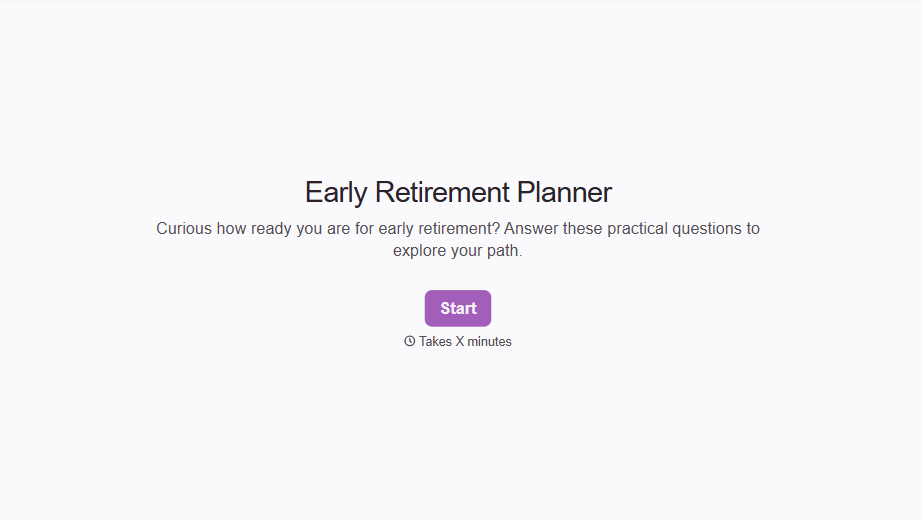
Early Retirement Form
A retirement mentioned to a manager in conversation doesn't give HR anything to actually process, and if there's an incentive deadline attached, the date that conversation happened can matter more than anyone realized at the time. Collect what your HR team actually needs, employee information, requested date, and benefit elections, before a window closes.
View template
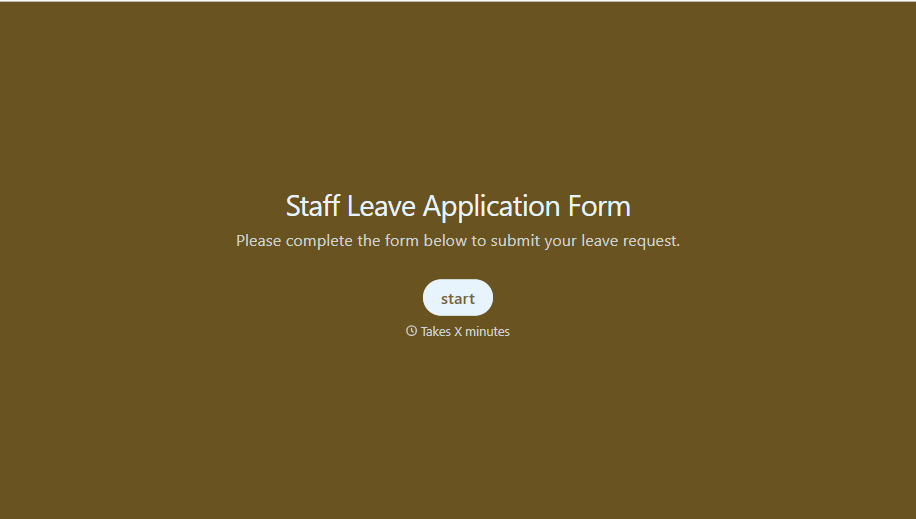
Staff Leave Application Form
A vacation request approved with a thumbs-up emoji in Slack isn't the kind of record payroll can work from when it's time to reconcile someone's leave balance. Collect the leave type, dates, and manager approval in one place, so a team doesn't accidentally double-book someone's time off.
View template
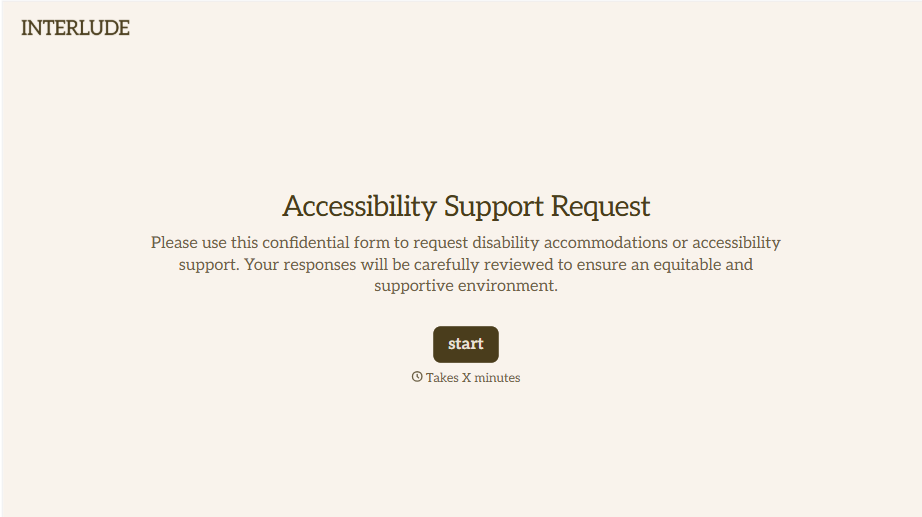
Disability Accommodation Request Form
A quiet word to a manager about needing a different desk setup isn't the kind of request that starts a documented process. Collect the specific accommodation needed and any supporting information before a decision gets made informally, so a request doesn't get lost between a hallway conversation and HR's desk.
View template
With Typeform, you can customize everything
Change text, colors, and even logos to match the look and feel of your brand. Then embed forms smoothly onto web and email.
Make forms feel effortless to fill out. Pace questions, call people by their name, and adapt the flow based on the data they share.
Stay efficient by connecting forms to your workflow. Typeform integrates with 300+ tools including Slack, Zapier, and HubSpot.