Authorization for Release of Protected Health Information Form
Ask for everything an authorization needs the first time, so nothing comes back incomplete. Collect the records requested, the recipient, the purpose, and the expiration date in one form.



A patient signs a release so their records can go to someone else: a new doctor, a lawyer, or an insurer. HIPAA says that signed release has to spell out which records, who sends them, who receives them, why, and when the permission expires, and it has to tell the patient that they can change their mind at any time. Typeform's authorization for release of protected health information form asks for all of these details up front, in one simple form.
Patients state what records they're releasing, who can send them, who should receive them, and why, then pick a date for the permission to expire. Conditional logic reads the reason they provide and asks only relevant questions. Someone moving to a new doctor names that doctor and the dates of the files they want covered. Someone releasing records to a lawyer or an insurer answers about the specific purpose and the narrower set of records it calls for. Both paths show the patient their right to cancel, what they can't be required to sign for, and the fact that records can be passed on once they leave you.
Mark the questions as required and nobody can submit the form until they've answered them, so every release that reaches you names the records it covers and the date the permission ends. When it’s time to send those records, your team can check what the patient actually agreed to before anything leaves the building.
An authorization for release of protected health information is a form a patient signs to let a doctor, clinic, or health plan send their medical records to someone else. It records which records go out, who sends them, who receives them, why, and the date the permission ends, along with the patient's signature and the notices HIPAA requires. Clinics and health plans that collect it on a form know exactly what a patient agreed to before any records leave the building.
Without one, you get whatever the requester happened to send: a letter, a form from another state, a half-filled template with no end date. Someone on your team then has to read it and figure out what's missing, usually while the requester waits on the phone. An authorization for release of protected health information form asks for each necessary piece for authorization, as the patient fills it in themselves, so you identify missing information long before it’s time to release the files.
Cover what HIPAA requires:
- A specific description of the information to be disclosed
- Who may disclose it, and who may receive it
- The purpose, and an expiration date or event
- The individual's signature and date
- The revocation, conditioning, and redisclosure statements
Yes, you can collect a HIPPA authorization on an Enterprise or Growth Custom plan. Typeform signs a Business Associate Agreement with customers on those plans, which is what lets you collect protected health information safely. What Typeform gives you is the secure form, not the legal wording that goes in it. You write the HIPAA authorization language yourself, or your compliance team does, and you add it to the form.
A patient can cancel at any time, but they have to do it in writing. Tell them on the form exactly where to send that request. Also tell them that cancelling only stops future releases, because records you already sent can't be pulled back. Give them a short cancellation form to use, so the request arrives with a date on it and linked to the original authorization, and your team can check for one before sending any records.
Get inspired by relevant templates and categories
3200+ Templates, 300+ Integrations
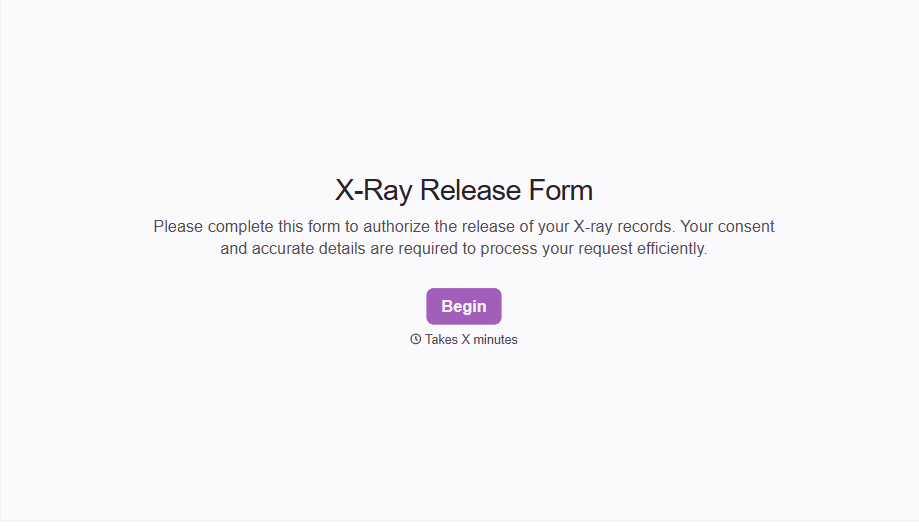
X-Ray Release Form
A phone call asking to send X-rays to a new provider isn't an authorization your compliance file can rely on. Collect patient information, the receiving provider's details, and a signed authorization before the images go out, so your front desk isn't scrambling to prove who approved a release.
View template
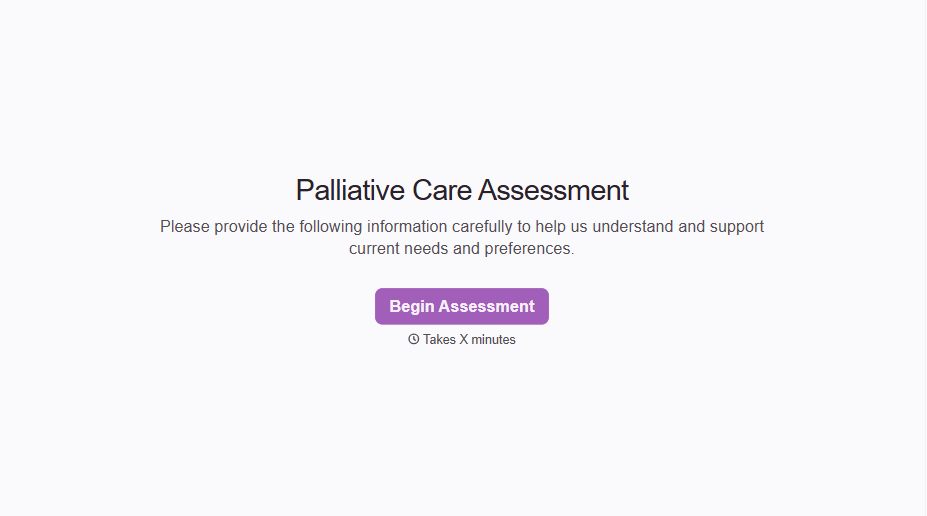
Palliative Care Assessment Form
A symptom check done verbally during a rushed home visit isn't the kind of record that shows whether pain management is actually working from one visit to the next. Collect symptom severity, functional status, and psychosocial needs consistently, so a care team can see change over time instead of relying on memory of the last visit.
View template
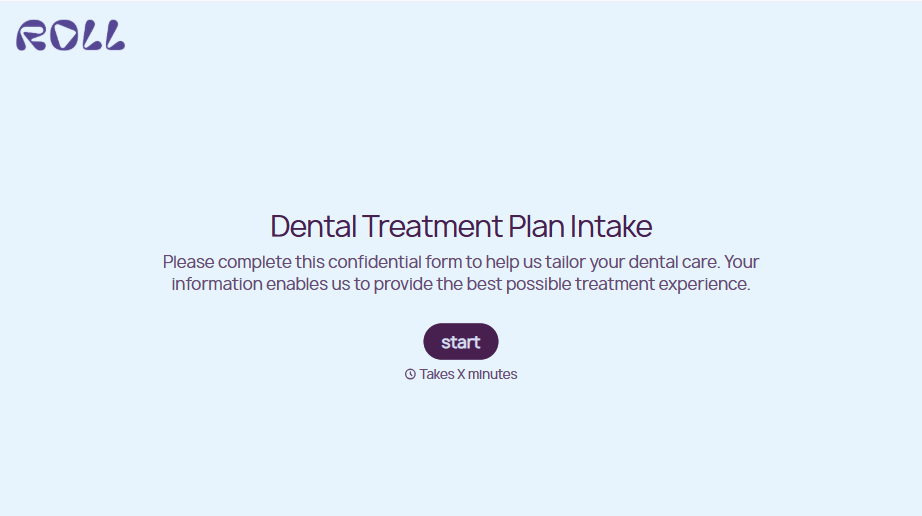
Dental Treatment Plan Form
A treatment plan explained chairside, in the few minutes right after an exam, doesn't hold up when a patient's trying to remember it at the front desk. Collect what your practice actually needs, the recommended procedures, cost estimate, and signed consent, before treatment gets scheduled.
View template
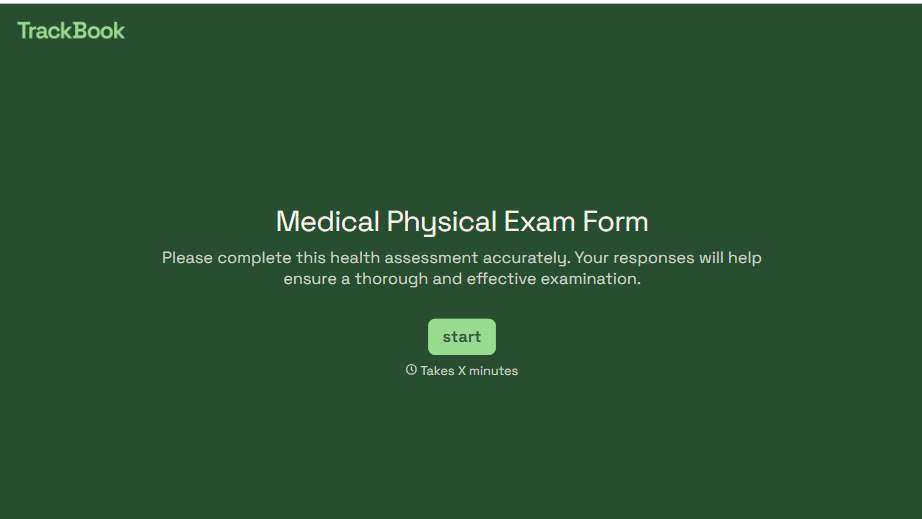
Medical Physical Exam Form
A health history filled out on a clipboard in the waiting room, minutes before being called back, isn't a history anyone fills in completely. Collect what your provider actually needs, patient information, health history, and current symptoms, before the exam starts.
View template
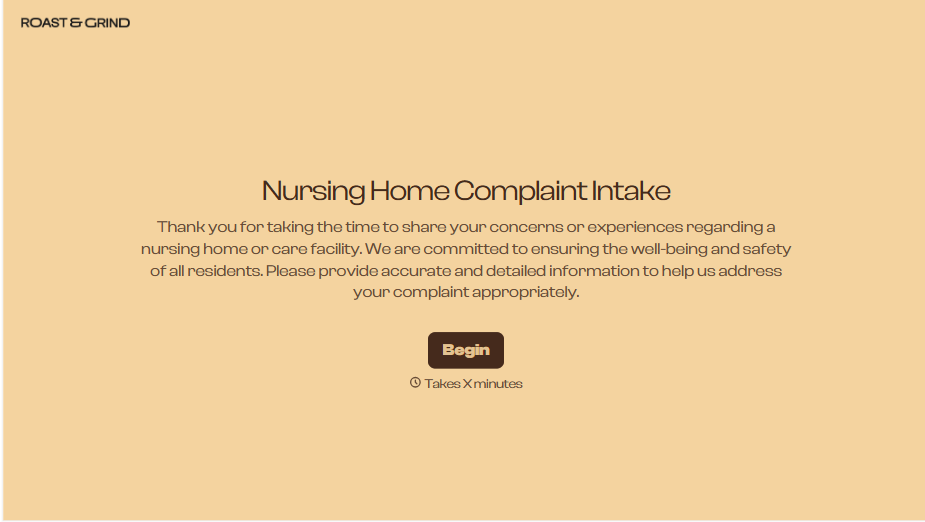
Nursing Home Complaint Form
A family member who calls the front desk about a missed medication or an unanswered call light often gets a verbal apology and nothing written down, no record that it happened, no way to tell if it's the third time this month or the first. And if what's actually being reported is abuse or neglect, a facility's own intake form isn't where that report should end, or even start.
View template
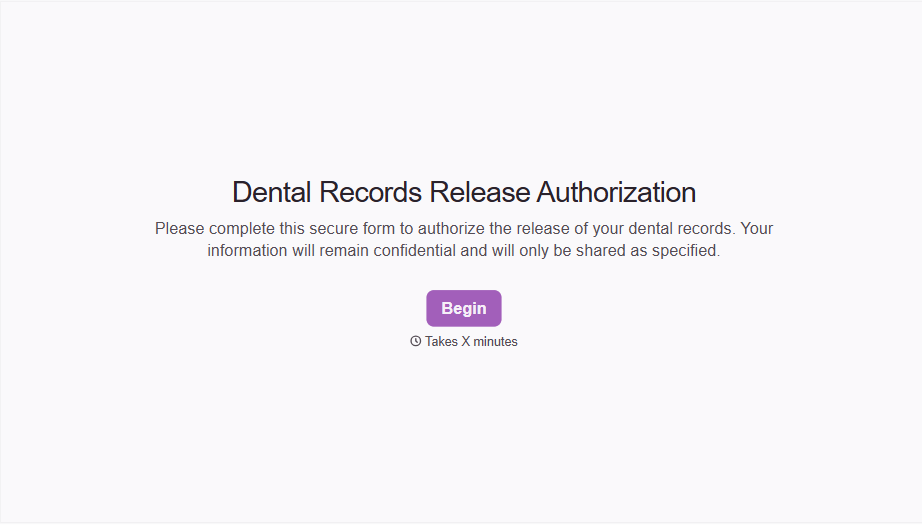
Dental Record Release Form
A release that just says "I authorize my records to be sent" doesn't say which records, sent to whom, or for how long that authorization is good, and HIPAA has a specific list of what actually has to be in there for the release to count as valid. Spell out what's being released, to whom, and until when, before the request goes out.
View template
With Typeform, you can customize everything
Change text, colors, and even logos to match the look and feel of your brand. Then embed forms smoothly onto web and email.
Make forms feel effortless to fill out. Pace questions, call people by their name, and adapt the flow based on the data they share.
Stay efficient by connecting forms to your workflow. Typeform integrates with 300+ tools including Slack, Zapier, and HubSpot.